The name Bihar itself is a window into the region's ancient Buddhist history
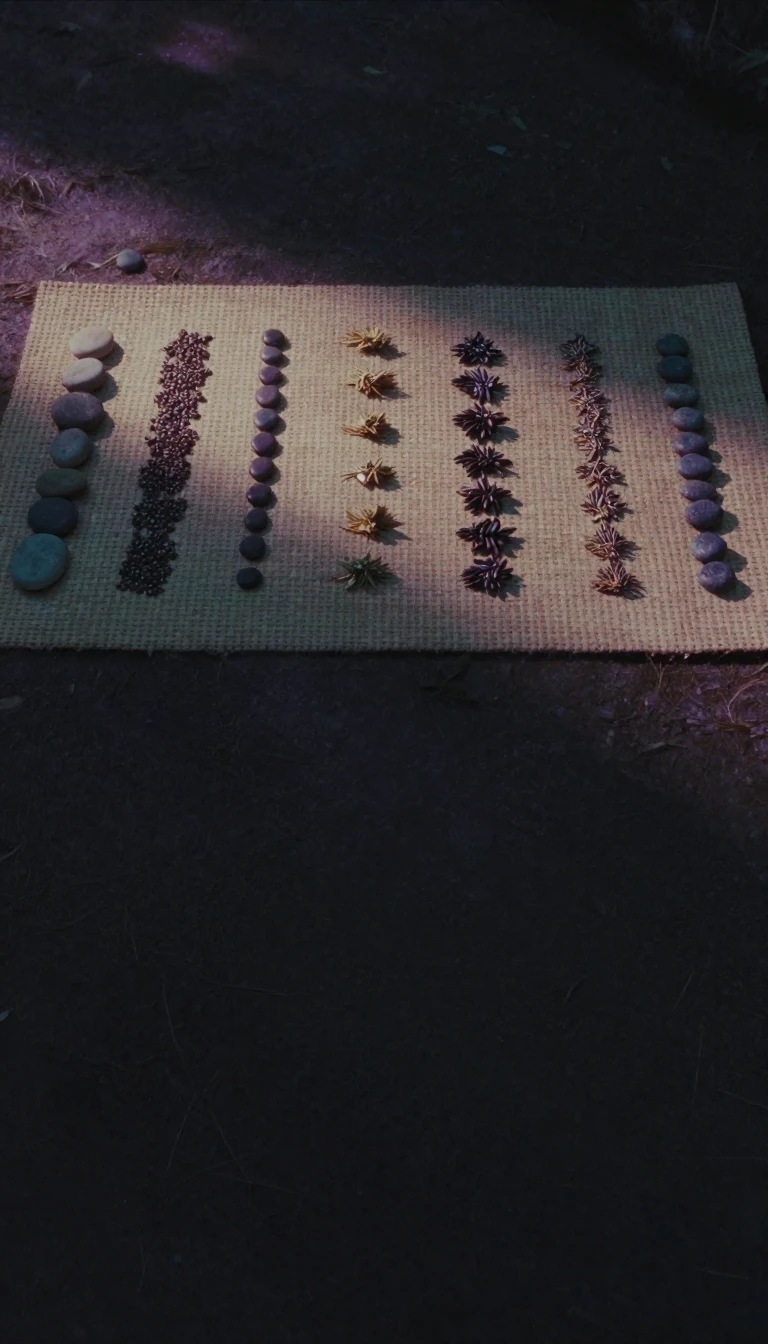
In short: Bihar has long served as a central pillar of Indian civilization, acting as the seat of imperial power for centuries. Its very name is derived from the Sanskrit word vihara, meaning Buddhist monastery, highlighting the profound influence these communities once held across this historically significant eastern Indian landscape.
The history of Bihar is deeply rooted in the geography of the middle Gangetic Plain, which is divided into northern and southern regions by the Ganges River. While the northern plains are characterized by flat, alluvial terrain prone to flooding from Himalayan rivers like the Kosi, the southern plains feature more varied landscapes, including the Kaimur Plateau. This diverse environment has supported human activity since prehistoric times, with archaeological evidence of Neolithic settlements found at sites like Chirand.
In ancient times, the region emerged as a primary focus of Indian culture and imperial authority. It was here that major empires, such as the Maurya, unified vast portions of the Indian subcontinent, with Pataliputra—the precursor to modern-day Patna—serving as a critical political and economic hub. The region also fostered the rise of significant pacifist traditions, including Buddhism and Jainism, which shaped the intellectual and spiritual trajectory of the entire country for centuries.
The region's political landscape shifted significantly over the medieval period, moving through the control of various dynasties and sultanates before becoming a staging post for the British colonial administration in the 18th century. Following the partition of the British Indian Empire, Bihar was established as a province in 1912 and later became an original state within the Indian Union in 1947. Today, the state remains a densely populated, primarily rural society, defined by a complex tapestry of languages, castes, and religious communities that reflect its long and multifaceted evolution.
Opens the Intellect+ feed with this card first. Swipe up for the next one.
Sources
- Summary by Intellect · source: Bihar | History, Map, Population, Government, & Facts | Britannica
- Also: History of Bihar
To cite this card, link to https://intellectplus.co.uk/app/history-history-of-bihar.
How we source, check and correct cards: Editorial standards.
General information, not professional advice. Spotted an error? Flag the card or see corrections and complaints.
Intellect Plus is a visual educational discovery platform for exploring fascinating facts and ideas. Brain Food, Not Brain Rot. What is Intellect Plus?
Related
More in History by country, small region and city · More in History · Latest · A–Z · All topics
