Why Delhi is a city of constant destruction and rebirth
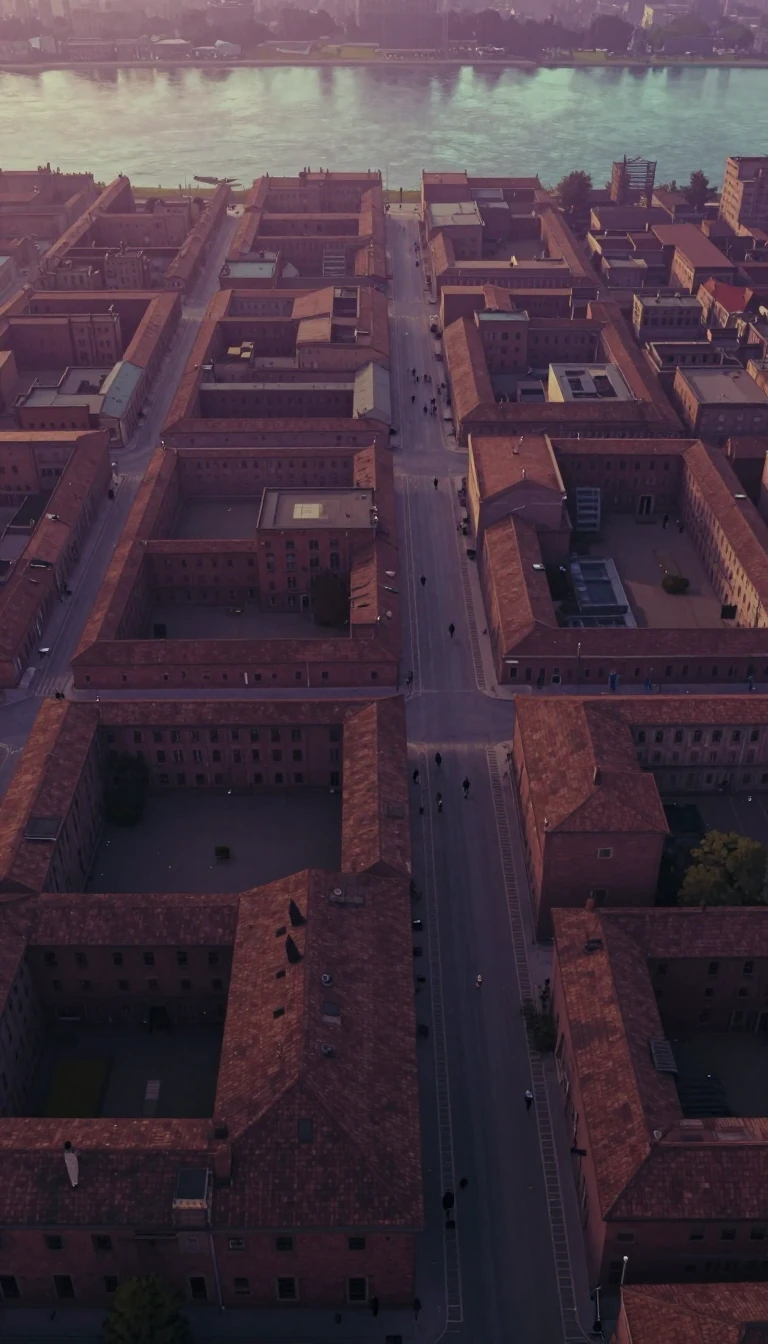
In short: Delhi is not merely a capital; it is a palimpsest of empires. From the 8th-century Tomar dynasty to the British Raj, conquerors have consistently razed existing structures to build their own visions. This cycle of ruin and renewal has defined the city's strategic identity for over a millennium.
The recorded history of Delhi begins in the 8th century with the Tomar Rajput dynasty. Anangpal Tomar is credited with founding the city in 1052, establishing a legacy of strategic governance. Throughout the medieval era, power shifted through successive dynasties, including the Chauhans and the Delhi Sultanate. The Sultanate period, beginning in 1206, transformed the city into a cultural hub, though it remained vulnerable to external aggression. In 1398, Timur invaded, leaving the city in ruins and killing over 100,000 prisoners.
The Mughal Empire, founded by Babur in 1526, brought a new era of architectural grandeur. Shah Jahan, the fifth Mughal Emperor, constructed the walled city of Shahjahanabad in the 17th century, adding iconic landmarks like the Red Fort and Jama Masjid. However, the empire's zenith was followed by decline, marked by invasions from the Marathas, Sikhs, and the Persian ruler Nader Shah, who looted the city in 1739 and carried away the Peacock Throne and the Koh-i-Noor diamond.
British influence solidified in 1803 following the Second Anglo-Maratha War. After the Indian Rebellion of 1857, the British shifted the capital from Calcutta to New Delhi in 1911. Designed by Edwin Lutyens, this final inner city was inaugurated in 1931. Following independence in 1947, New Delhi became the capital of the Republic of India, continuing the city's long-standing role as the political heart of the subcontinent.
Despite its modern status, Delhi remains a site of complex social and political tension. The partition of 1947 triggered massive demographic shifts, and the city has experienced periodic civil unrest, including riots in 1974 and 2020. Today, Delhi continues to evolve, balancing its ancient archaeological heritage—from prehistoric sites like Anangpur to Mauryan-era inscriptions—with the pressures of a rapidly growing, diverse population.
Opens the Intellect+ feed with this card first. Swipe up for the next one.
Sources
- Summary by Intellect · source: History of Delhi
To cite this card, link to https://intellectplus.co.uk/app/history-history-of-delhi.
How we source, check and correct cards: Editorial standards.
General information, not professional advice. Spotted an error? Flag the card or see corrections and complaints.
Intellect Plus is a visual educational discovery platform for exploring fascinating facts and ideas. Brain Food, Not Brain Rot. What is Intellect Plus?
Related
More in History by country, small region and city · More in History · Latest · A–Z · All topics
