How a rugged mountain crossroads became the gateway between empires for two millennia
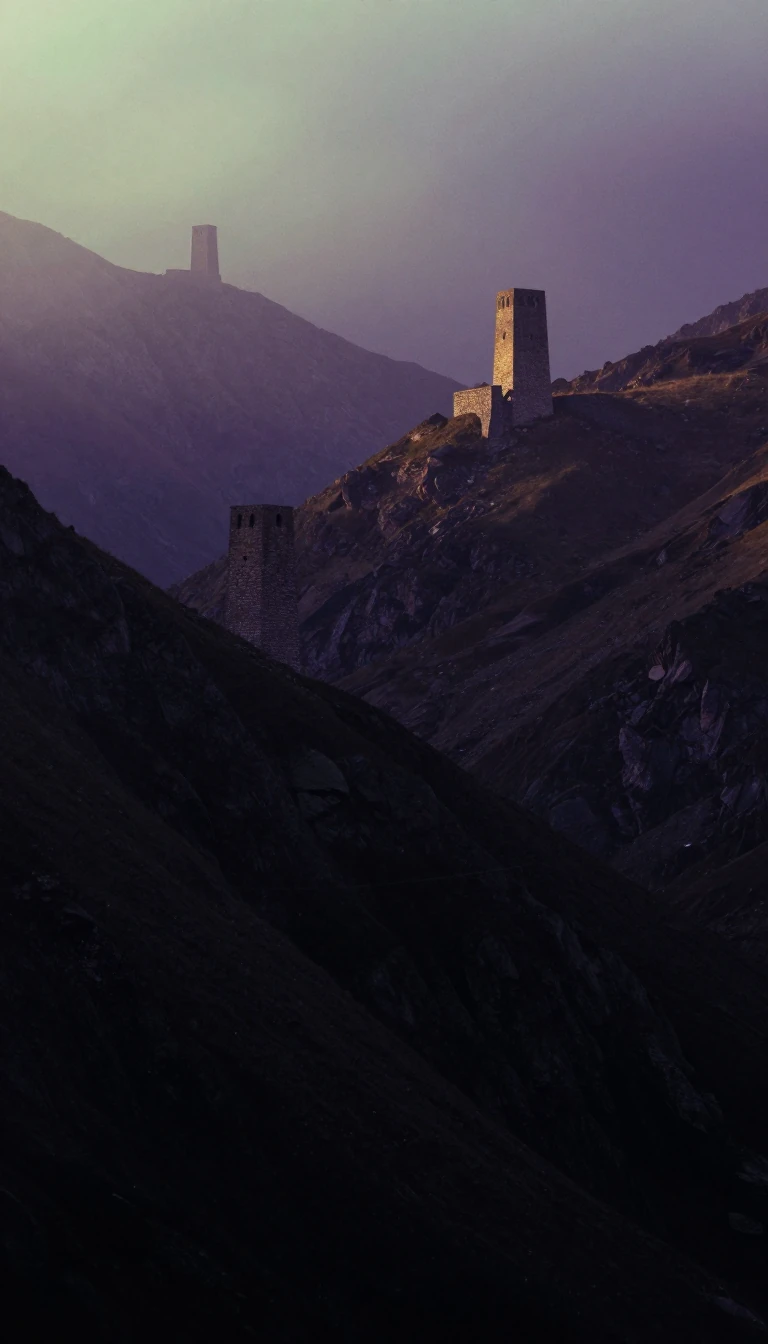
In short: Dagestan, the Land of the Mountains, has served as a strategic bottleneck between the Caspian Sea and the Caucasus range for centuries. From Sassanid Persian fortifications to the rise of the Soviet Union, this region has been a volatile theater for shifting global powers and competing religious ideologies.
The region’s history is defined by its geography, acting as a natural corridor that invited conquest. In the 6th century, the Sassanid Empire solidified its influence here after a century of conflict. To secure this vital transit point, Shah Khosrau I established massive defenses at Derbent, a name derived from the Persian word for gateway. This was not merely a military endeavor; the Sassanids actively relocated thousands of Persian families to the area, embedding Iranian language and culture into the local fabric for centuries to come.
Following the collapse of Sassanid influence, the region became a battleground for the Arab-Khazar wars, a 150-year struggle for dominance. By the 16th century, the Safavid dynasty of Persia reasserted control, though mountainous communities maintained significant autonomy. The 18th and 19th centuries marked a definitive transition as the Russian Empire expanded its reach. Through a series of wars and treaties, including the 1813 Treaty of Gulistan and the 1828 Treaty of Turkmenchay, Russia systematically displaced Persian influence, eventually absorbing the territory into its imperial administration.
Russian rule triggered fierce resistance, most notably the decades-long Caucasian War led by figures like Shamil, which ended in 1864. The 20th century brought further upheaval, including the short-lived independence of the Mountainous Republic of the Northern Caucasus in 1917 and the eventual establishment of the Dagestan Autonomous Soviet Socialist Republic in 1921. Despite its rich history, the region faced economic stagnation under Soviet industrialization. In more recent decades, the area has grappled with internal militancy and regional instability, remaining a complex, high-stakes frontier at the intersection of diverse cultural and political spheres.
Opens the Intellect+ feed with this card first. Swipe up for the next one.
Sources
- Summary by Intellect · source: History of Dagestan
To cite this card, link to https://intellectplus.co.uk/app/history-history-of-dagestan.
How we source, check and correct cards: Editorial standards.
General information, not professional advice. Spotted an error? Flag the card or see corrections and complaints.
Intellect Plus is a visual educational discovery platform for exploring fascinating facts and ideas. Brain Food, Not Brain Rot. What is Intellect Plus?
Related
More in History by country, small region and city · More in History · Latest · A–Z · All topics
