How a Portuguese sailor's cloak gave a Central African nation its enduring name
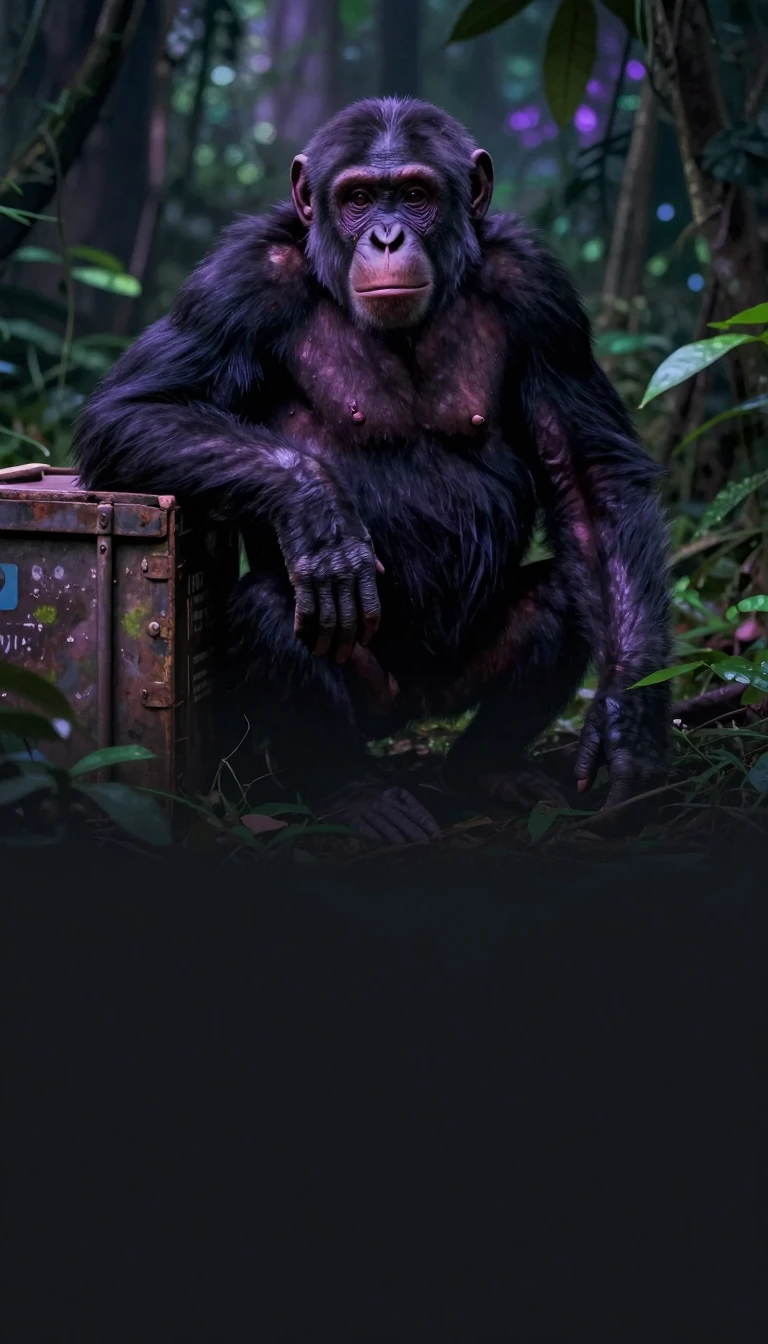
In short: When Portuguese explorers arrived at the Gabon estuary in 1472, they saw a shape in the river that reminded them of a hooded cloak, or gabão. This chance observation named a nation, yet the history of the land beneath that name spans tens of thousands of years of human migration.
Long before European contact, Gabon was home to rainforest hunter-gatherers, with archaeological evidence of human presence dating back to the Upper Pleistocene, roughly 43,000 BC. By the 3rd to 2nd centuries BC, Bantu-speaking farmers and ironworkers arrived, settling the middle Ogooué valley. These communities utilized iron smelting and pottery, thriving in a landscape where rainforest fragmentation created savanna-forest mosaics that facilitated their expansion across the region.
The arrival of Portuguese navigators in 1472 fundamentally altered the coastal economy. Initially, trade focused on hardwoods, ivory, and iron goods, but the 18th and 19th centuries saw an intensification of the slave trade to meet demand from Brazil and Cuba. Local powers, such as the Orungu kingdom at Cape Lopez and the Mpongwe clans of the estuary, acted as brokers in these networks. Meanwhile, the Fang people migrated southward from Cameroon, often resisting the slave trade while their movement displaced other interior groups.
French influence grew steadily throughout the 19th century, beginning with treaties signed by Mpongwe leaders in 1839 and 1841. By 1849, the French established Libreville as a settlement for formerly enslaved people. Following the colonial era and the federation of French Equatorial Africa, Gabon achieved independence on August 17, 1960. The nation’s post-colonial trajectory was defined by a close, often complex relationship with France, which famously intervened in 1964 to restore President Léon M’ba to power after a military coup, paving the way for the long-standing presidency of Omar Bongo.
Today, Gabon remains a country defined by its vast equatorial rainforest, which covers more than three-fourths of its territory. While the political landscape shifted from a single-party regime established in the late 1960s to multi-party reforms in 1990, the nation’s history remains deeply tied to its natural resources and its strategic position along the Atlantic coast, a legacy that began with the first European ships anchoring in the estuary centuries ago.
Opens the Intellect+ feed with this card first. Swipe up for the next one.
Sources
- Summary by Intellect · source: History of Gabon | President, Independence, Maps, Capital, & Facts | Britannica
- Also: History of Gabon
To cite this card, link to https://intellectplus.co.uk/app/history-history-of-gabon.
How we source, check and correct cards: Editorial standards.
General information, not professional advice. Spotted an error? Flag the card or see corrections and complaints.
Intellect Plus is a visual educational discovery platform for exploring fascinating facts and ideas. Brain Food, Not Brain Rot. What is Intellect Plus?
Related
More in History by country, small region and city · More in History · Latest · A–Z · All topics
