How a rugged corner of Spain preserved a distinct identity for two millennia
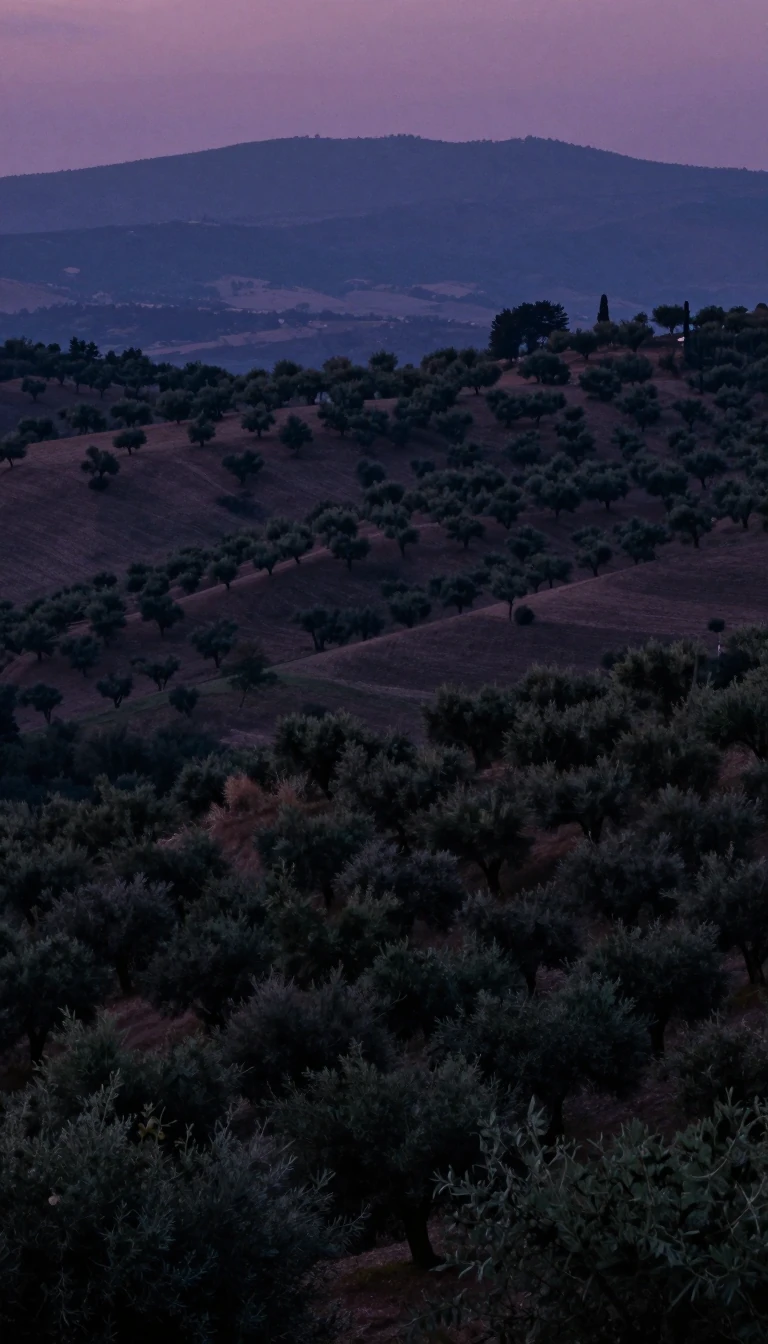
In short: Isolated by mountains and shaped by the Atlantic, Galicia has long stood apart from the rest of Spain. From its ancient Celtic roots to a resilient literary revival, this northwestern region maintains a unique cultural and linguistic heritage that persists despite centuries of political shifts and widespread emigration.
Galicia’s history is defined by its geography and its people, the Gallaeci. These Celtic tribes inhabited the region in fortified hillforts, or castros, long before Roman legions arrived around 137 BCE. This settlement pattern—characterized by small, dispersed populations—persisted for centuries, even surviving the fall of the Roman Empire. By 410 CE, the region became an independent kingdom under the Suebi, a Germanic people, until they were conquered by the Visigoths in 585. Throughout the Middle Ages, Galicia’s status fluctuated; it was sometimes an independent kingdom and at other times united with neighboring territories like Asturias, León, or Portugal.
The region’s cultural trajectory was deeply influenced by its language, which shared closer ties with Portuguese until the two countries officially separated in 1668. Galician literature flourished in the 13th and 14th centuries, often surpassing the complexity of contemporary Castilian. After a long period of decline, the 19th-century Rexurdimento, or Resurgence, revitalized the language. Figures like Rosalía de Castro, whose 1863 work Cantares gallegos marked a turning point, helped foster a growing regional consciousness. This cultural pride continued into the 20th century with the Xeración Nós, a group of intellectuals dedicated to consolidating Galician identity.
Political autonomy has been a recurring, often contested, goal. A 1936 plebiscite for a statute of autonomy was nullified by the dictatorship of General Francisco Franco, who suppressed regional identities in favor of a unified Spanish state. It was not until April 6, 1981, that Galicia finally established its current autonomous status. Today, the region balances its rich history—symbolized by the UNESCO-recognized capital, Santiago de Compostela—with modern industrial sectors like shipbuilding, wind energy, and textiles, all while grappling with the demographic challenges of an aging population and a long-standing history of emigration.
Opens the Intellect+ feed with this card first. Swipe up for the next one.
Sources
- Summary by Intellect · source: Galicia | History, Location, Economy, Map, & Facts | Britannica
- Also: History of Galicia
To cite this card, link to https://intellectplus.co.uk/app/history-history-of-galicia.
How we source, check and correct cards: Editorial standards.
General information, not professional advice. Spotted an error? Flag the card or see corrections and complaints.
Intellect Plus is a visual educational discovery platform for exploring fascinating facts and ideas. Brain Food, Not Brain Rot. What is Intellect Plus?
Related
More in History by country, small region and city · More in History · Latest · A–Z · All topics
