From Mayan Empires to Military Rule: The Complex Evolution of Guatemala's National Identity
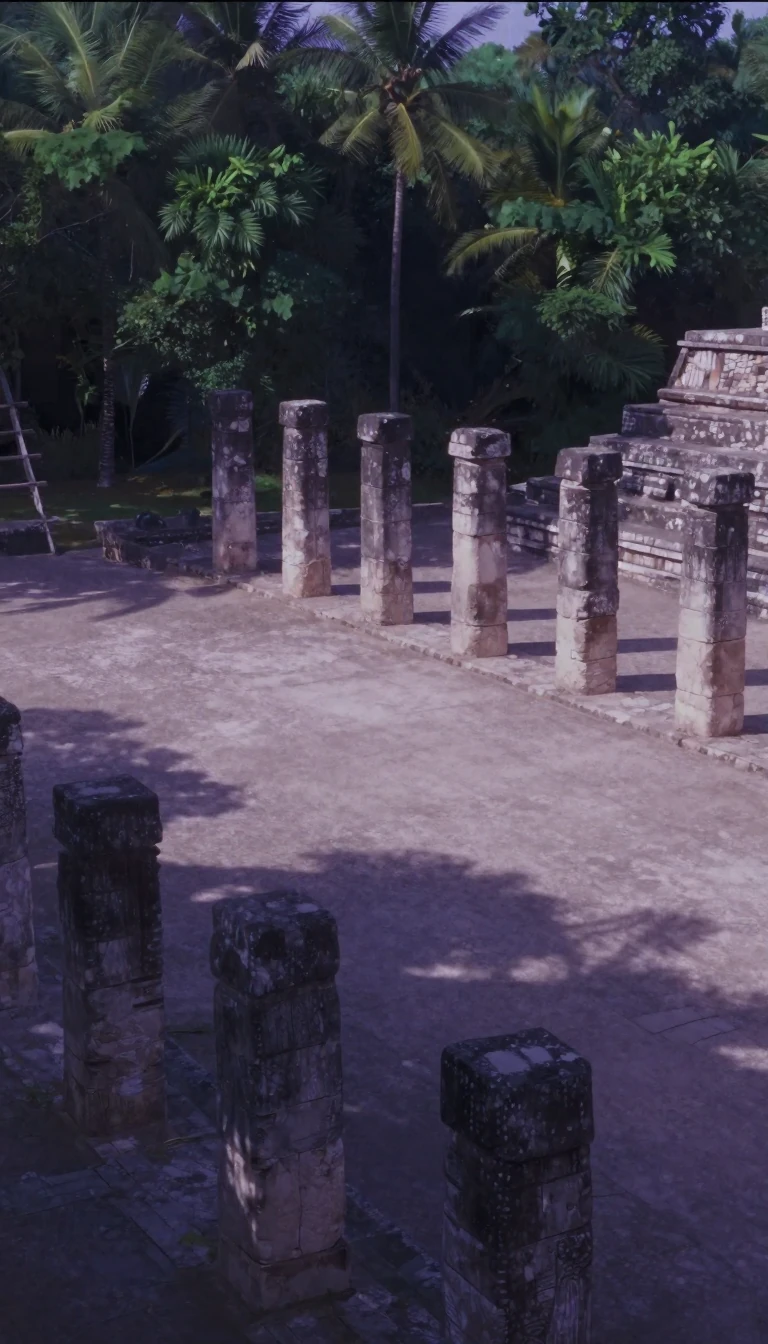
In short: Guatemala is defined by the enduring dominance of its Indigenous cultures, yet its modern history has been a turbulent struggle between authoritarianism and democracy. From the collapse of ancient Mayan cities to the sweeping reforms of the 19th century, the nation's path has been shaped by deep-seated internal and external forces.
The ancient Maya established a highly sophisticated civilization during the Classic Period, between 300 and 900 CE. Known for their advanced astronomical observatories and intricate calendars, they built numerous cities across the region. By approximately 850 CE, many of these urban centers were abandoned. While the exact causes remain a subject of academic debate, researchers point to a likely combination of soil exhaustion, shifting climate patterns, and persistent armed conflict as primary drivers of this decline.
Following the Spanish arrival in the 16th century, the region became an administrative hub for a vast territory stretching from Mexico to Panama. However, colonial Guatemala lacked the precious metal wealth found in Mexico or Peru, relying instead on agricultural exports like cacao, indigo, and later, cochineal. After gaining independence in the 1820s, the country entered a volatile era marked by the rise of Rafael Carrera. Carrera, who controlled policy from 1838 until his death in 1865, restored the power of the church and established a conservative, authoritarian regime that prioritized the interests of the aristocracy.
The late 19th century brought a radical shift under Justo Rufino Barrios, known as 'the Reformer.' Rising to power in 1873, Barrios dismantled the influence of the local aristocracy, confiscated church properties, and modernized infrastructure by building roads, railways, and telegraph lines. He aggressively promoted coffee cultivation, which became the nation's primary export. Despite his efforts to professionalize the military and advocate for a Central American union, his death at the Battle of Chalchuapa in 1885 left a power vacuum, leading to decades of shifting leadership and continued reliance on authoritarian governance until the democratic transition of 1985.
Opens the Intellect+ feed with this card first. Swipe up for the next one.
Sources
- Summary by Intellect · source: History of Guatemala | Summary, Independence, & Civil War | Britannica
- Also: History of Guatemala
To cite this card, link to https://intellectplus.co.uk/app/history-history-of-guatemala.
How we source, check and correct cards: Editorial standards.
General information, not professional advice. Spotted an error? Flag the card or see corrections and complaints.
Intellect Plus is a visual educational discovery platform for exploring fascinating facts and ideas. Brain Food, Not Brain Rot. What is Intellect Plus?
Related
More in History by country, small region and city · More in History · Latest · A–Z · All topics
