Before libraries were for reading, they were the administrative backbone of ancient empires.
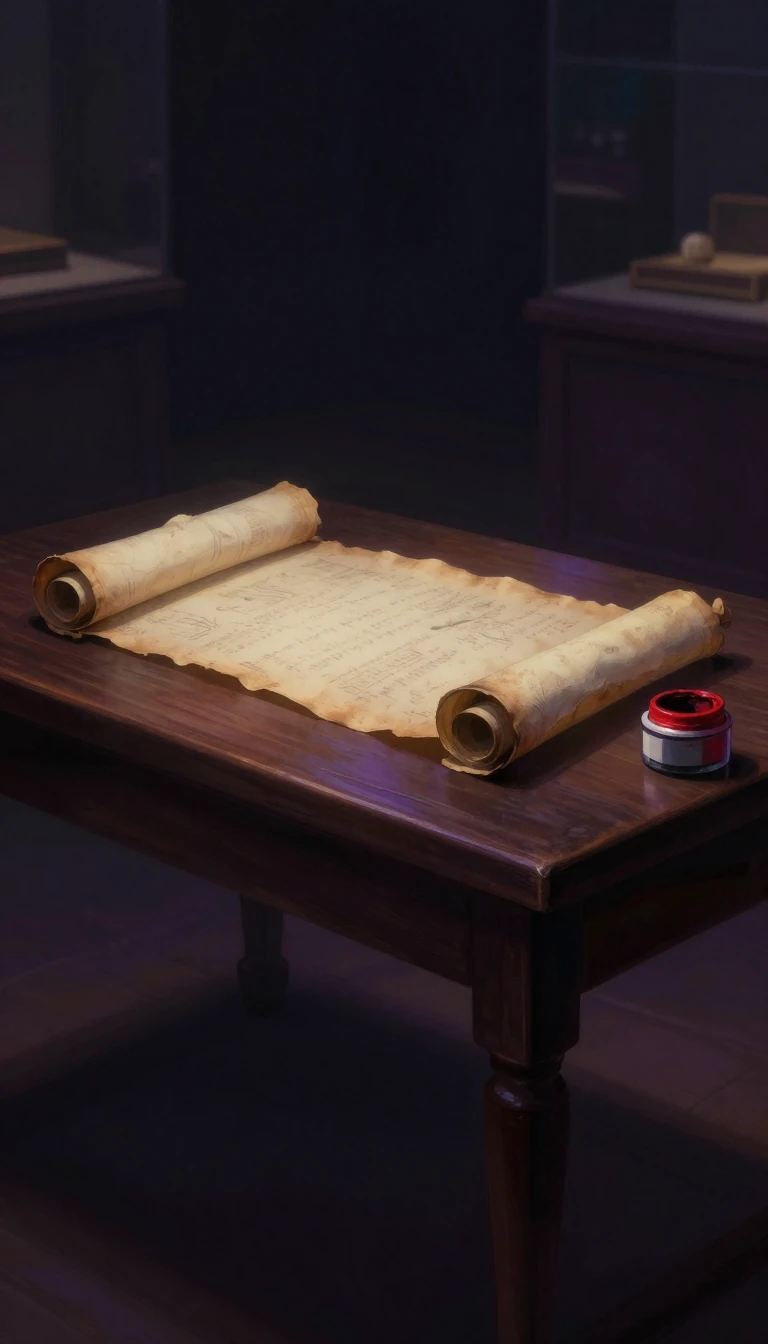
In short: Long before the quiet halls of modern libraries, the earliest collections were high-stakes archives of clay tablets. From the Fertile Crescent to the palaces of Assyria, these repositories served as the essential record-keeping systems that allowed ancient rulers to manage their territories, track taxes, and consolidate their power.
The history of the library begins in the 3rd millennium BC, when record rooms in Babylonian temples like Nippur housed clay tablets. These early archives were not for public leisure but were functional tools for tracking commercial transactions and inventories. By the time of the Assyrian king Ashurbanipal, who reigned from 668 to about 627 BC, these collections had evolved into systematic libraries. His archive at Nineveh contained approximately 25,000 tablets, preserving everything from administrative records and medical diagnoses to epic literature like the Epic of Gilgamesh.
In the ancient world, libraries were often subject to the whims of political survival. In China, the emperor Shih huang-ti of the Ch’in dynasty famously ordered the destruction of historical records to ensure history began with his rule. This repression ended with the Han dynasty in 206 BC, which fostered a culture of classification, categorizing works into fields like philosophy, military prose, and medicine. This intellectual growth was bolstered by a civil service system that required applicants to master classical texts, a practice that persisted until the 20th century.
The transition toward the library as a center for research culminated in the Greek world. While private collectors like Euripides existed, the 4th century BC saw the rise of institutional libraries within philosophical schools, most notably Aristotle’s Peripatetic school. His systematic organization of texts influenced the Great Library of Alexandria, founded in the 3rd century BC by Ptolemy I Soter. Staffed by legendary scholars like Eratosthenes and Callimachus, it aimed to collect the entirety of Greek literature. Meanwhile, in Pergamum, the development of durable parchment—allegedly spurred by an Egyptian ban on papyrus exports—provided a technical leap in the preservation of human knowledge.
The legacy of these ancient institutions remains a subject of study, particularly regarding how knowledge migrated across empires. Excavations, such as the 1933 discovery of the Persepolis Fortification Archive, reveal the sophisticated administrative mastery of the Achaemenid Empire. These tablets, written in Old Persian, Elamite, and Babylonian, demonstrate how libraries functioned as the essential infrastructure of governance, trade, and cultural continuity long before the invention of the printing press.
Opens the Intellect+ feed with this card first. Swipe up for the next one.
Sources
- Summary by Intellect · source: Library - Ancient, Digital, Preservation | Britannica
- Also: History of libraries
To cite this card, link to https://intellectplus.co.uk/app/history-history-of-libraries.
How we source, check and correct cards: Editorial standards.
General information, not professional advice. Spotted an error? Flag the card or see corrections and complaints.
Intellect Plus is a visual educational discovery platform for exploring fascinating facts and ideas. Brain Food, Not Brain Rot. What is Intellect Plus?
Related
More in History by topic · More in History · Latest · A–Z · All topics
