How a remote Indian Ocean island became a global crossroads of labor and empire
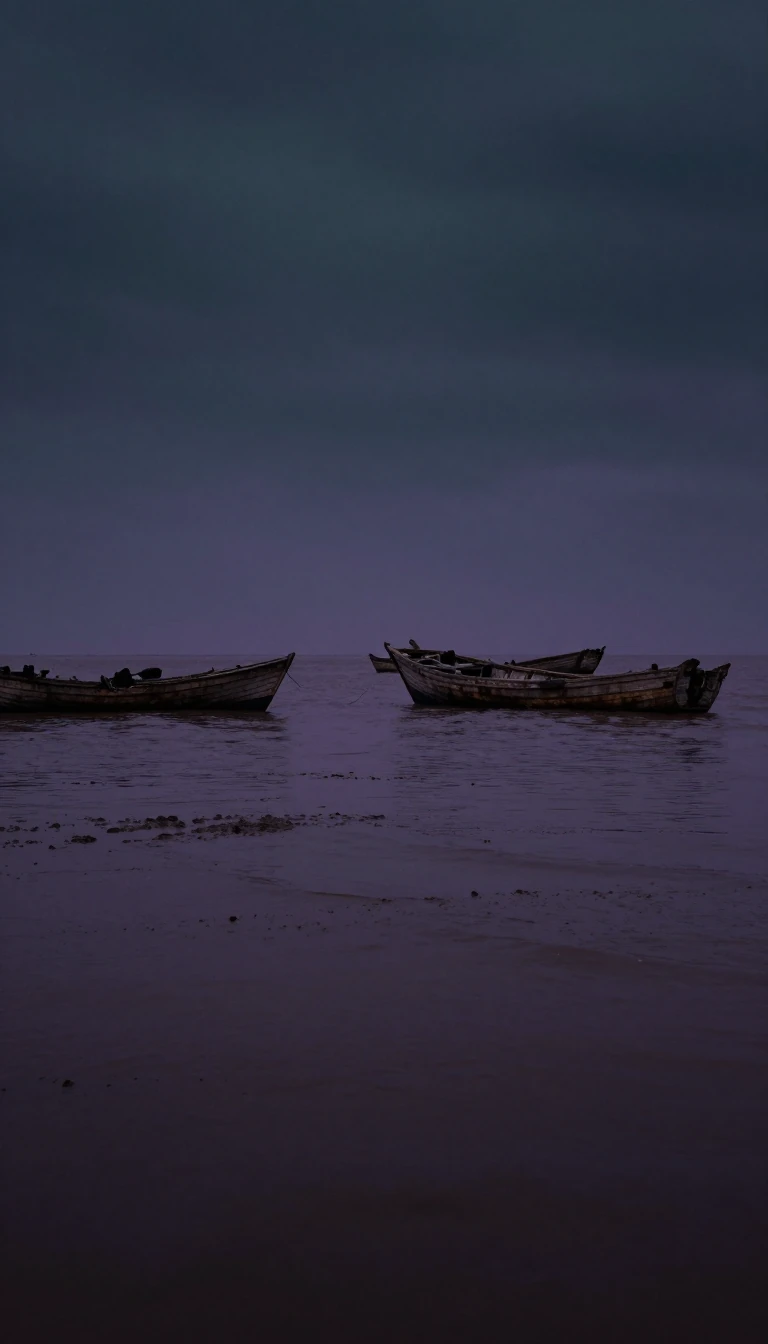
In short: Mauritius was uninhabited for centuries, serving only as a stopover for passing ships. Yet, through a succession of colonial powers and the forced migration of nearly half a million indentured laborers, it evolved into a unique cultural melting pot that continues to navigate the complex legacy of its past.
Long before European arrival, Mauritius was likely known to Arab seafarers by the 10th century, though it remained permanently uninhabited. The Portuguese visited in the early 16th century but saw no strategic value in settling the isolated island. The Dutch eventually claimed it in 1598, naming it after Maurice of Nassau. Their attempts at colonization between 1638 and 1710 were plagued by cyclones, droughts, and pest infestations, leading them to abandon the island to pirates.
The French East India Company took control in 1721, renaming it Île de France and establishing a sugar-based economy fueled by enslaved labor from Africa. When the British captured the island in 1810, they maintained the existing French customs, laws, and language—a rare administrative arrangement for a British colony. Following the abolition of slavery in 1835, the British launched their 'Great Experiment,' replacing enslaved workers with nearly 500,000 indentured laborers from India. This demographic shift defined the modern Mauritian population.
Mauritius gained independence in 1968, but the transition was not without friction. In 1965, Britain separated the Chagos Archipelago from the territory to create the British Indian Ocean Territory, leading to the displacement of its inhabitants. Economic challenges, including the decline of sugar and textile industries, prompted a pivot toward financial services and information technology. Today, the nation continues to reconcile its colonial history, including the recent resolution of sovereignty claims over the Chagos Archipelago, finalized in 2025.
Opens the Intellect+ feed with this card first. Swipe up for the next one.
Sources
- Summary by Intellect · source: History of Mauritius | Events, Dates, Colonization, People, Maps, & Facts | Britannica
- Also: History of Mauritius
To cite this card, link to https://intellectplus.co.uk/app/history-history-of-mauritius.
How we source, check and correct cards: Editorial standards.
General information, not professional advice. Spotted an error? Flag the card or see corrections and complaints.
Intellect Plus is a visual educational discovery platform for exploring fascinating facts and ideas. Brain Food, Not Brain Rot. What is Intellect Plus?
Related
More in History by country, small region and city · More in History · Latest · A–Z · All topics
