Abandoned for fifteen years, shipwrecked survivors built a resilient society on a desert island.
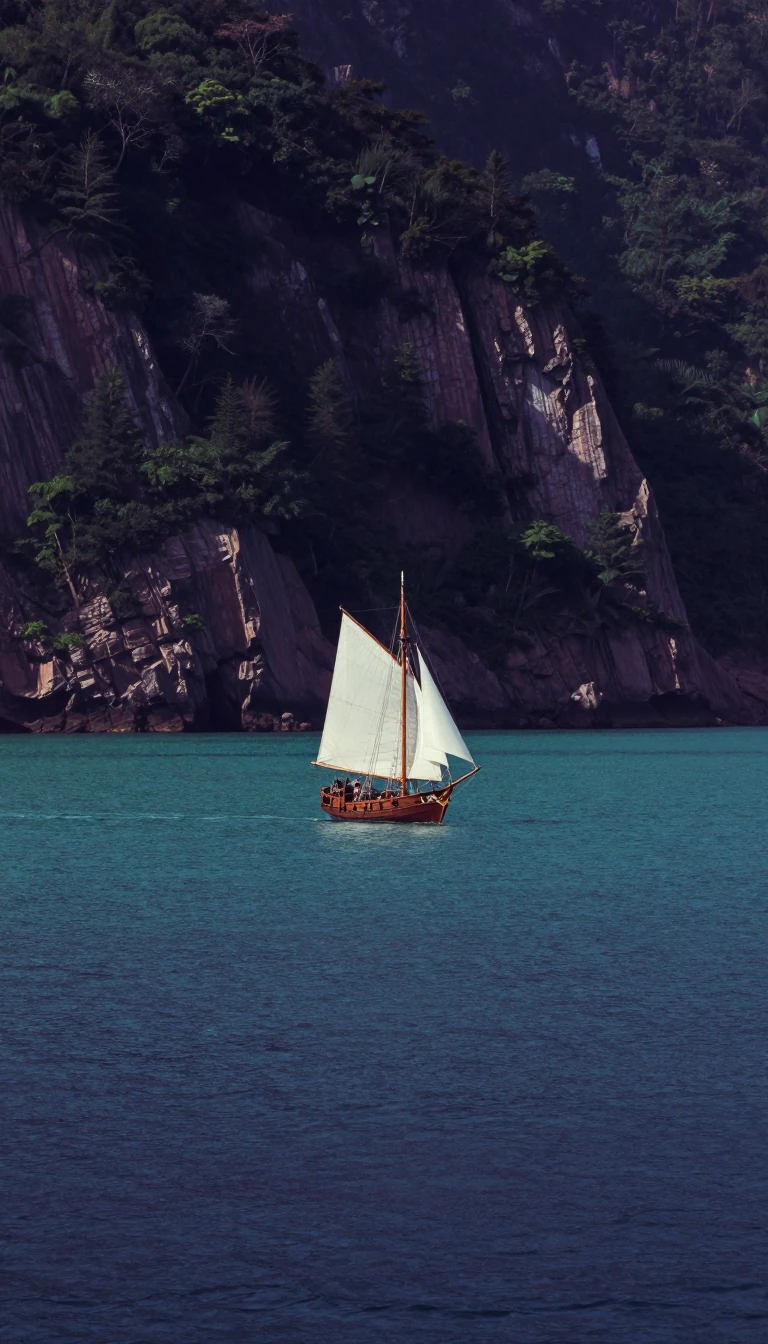
In short: In 1761, a French ship carrying enslaved Malagasy people wrecked on a tiny, treeless Indian Ocean atoll. The French crew abandoned the survivors, promising a return that took fifteen years. Against all odds, the castaways maintained a fire, built stone structures, and survived until their eventual rescue in 1776.
The tragedy began when the French East India Company frigate Utile ran onto the reefs of Tromelin Island on 31 July 1761. While the crew and roughly 60 enslaved Malagasy people survived the initial wreck, the French sailors soon constructed a small boat and departed for Mauritius on 27 September 1761. They left the Malagasy survivors behind, promising to return, but the colonial governor refused to authorize a rescue mission, citing the ongoing Seven Years' War.
For fifteen years, the survivors lived in extreme isolation on an island measuring only 80 hectares. Despite the lack of trees, they kept a fire burning continuously, a feat confirmed by archaeological excavations that uncovered tinder lighters and flints. They constructed shelters from coral blocks—a significant departure from Malagasy tradition, which reserved stone for tombs—and maintained a lookout point to scan the horizon for ships. When Captain Jacques Marie Boudin de Tromelin finally arrived on 29 November 1776, he found only seven women and an eight-month-old child remaining.
The island, now a subject of a sovereignty dispute between France and Mauritius, has since become a site of intense historical inquiry. Archaeological missions led by Max Guérout and Thomas Romon between 2006 and 2013 revealed the ingenuity of the castaways, who survived on turtles, seabirds, and fish. Their story, once largely forgotten, was famously highlighted by the Marquis de Condorcet in 1781 as a powerful indictment of the inhumanity of the slave trade. Today, the island serves as a weather station and a critical nesting site for green sea turtles and various seabird species, including masked and red-footed boobies.
Opens the Intellect+ feed with this card first. Swipe up for the next one.
Sources
- Summary by Intellect · source: Tromelin Island
- Also: Wikidata — Tromelin Island · CC0
To cite this card, link to https://intellectplus.co.uk/app/places-tromelin-island.
How we source, check and correct cards: Editorial standards.
General information, not professional advice. Spotted an error? Flag the card or see corrections and complaints.
Intellect Plus is a visual educational discovery platform for exploring fascinating facts and ideas. Brain Food, Not Brain Rot. What is Intellect Plus?
Related
More in Islands · More in Countries & Cities · Latest · A–Z · All topics
