Why the greatest military commanders in history were actually masters of logistics
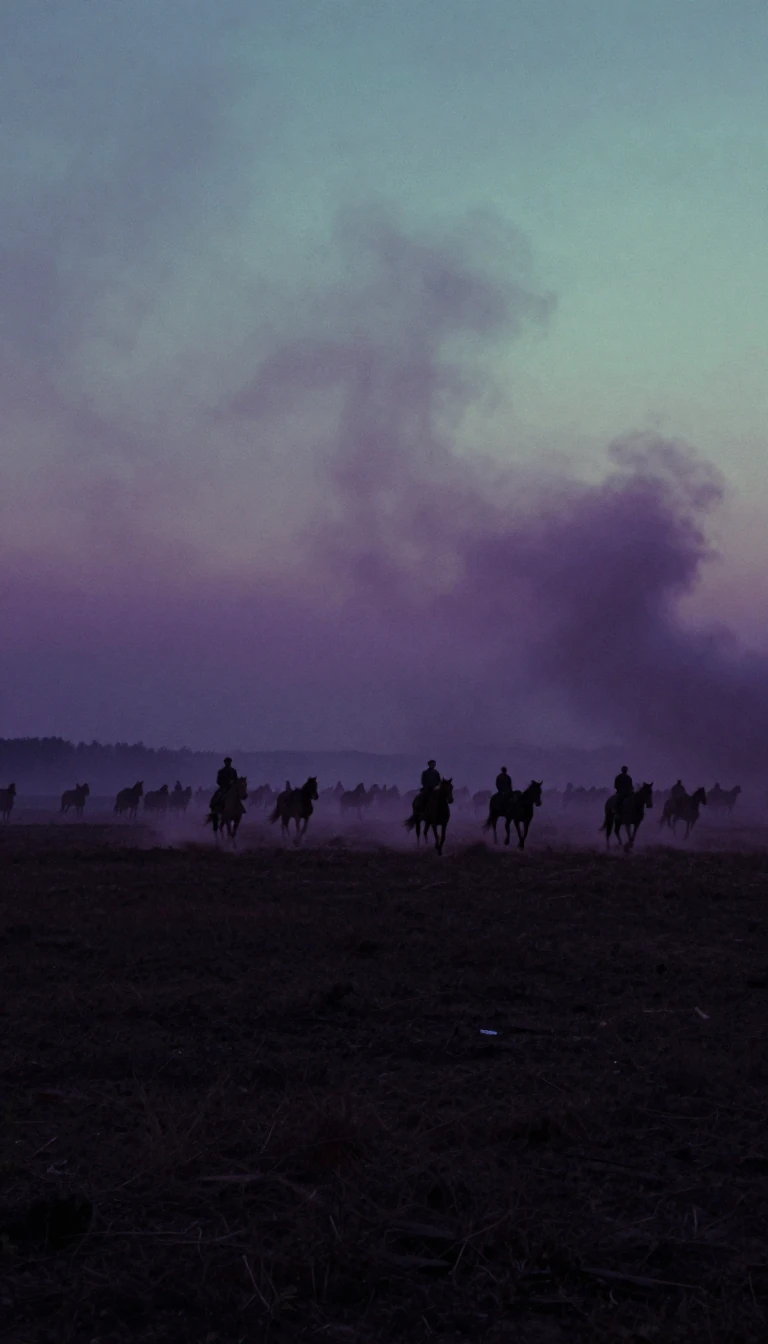
In short: Military history is often framed through the lens of decisive battles, but victory has always been a matter of supply. From the Roman legions to the Mongol cavalry, the ability to move, feed, and maintain forces determined the rise and fall of empires long before the arrival of modern industrial warfare.
In ancient times, military operations were constrained by the necessity of local foraging and self-containment. The Roman legion achieved remarkable mobility by combining local requisitioning with a sophisticated supply train, including engineers and mobile repair shops. This system allowed them to march up to 16 miles daily while carrying 30 days of provisions. Similarly, the Mongol armies of the 13th century mastered a system of extreme austerity and planning, using widely separated columns that converged at high speed. Their warriors subsisted on dried meat and blood from their mounts, allowing them to cover 180 miles in just three days.
By the 17th century, European armies grew to over 100,000 men, forcing commanders to prioritize fertile regions and water transport to avoid starvation. This era eventually gave way to a more sluggish, formalized style of warfare centered on sieges and fortified magazines. It was not until the Napoleonic era (1789–1815) that mobility returned. Napoleon emphasized swift, decisive offensives, adapting existing logistic structures by militarizing transport services. His 1807 establishment of a staged wagon-shuttle system foreshadowed the complex resupply networks of the 20th century, culminating in the massive logistical undertaking of his 1812 Russian campaign.
The transition to industrial warfare fundamentally altered these requirements. By the First World War, the introduction of machine guns and quick-firing artillery caused ammunition consumption to soar, necessitating more efficient storage and distribution. Technological advancements like canning, refrigeration, and railways eventually allowed armies to be supported from the rear with unprecedented reliability. Today, military logistics has evolved into a comprehensive science encompassing everything from the acquisition of matériel to medical support, reflecting the reality that the complexity of modern equipment requires an ever-increasing proportion of personnel dedicated solely to sustainment.
Opens the Intellect+ feed with this card first. Swipe up for the next one.
Sources
- Summary by Intellect · source: Logistics - Military History, Supply Chain, Logisticians | Britannica
- Also: History of military logistics
To cite this card, link to https://intellectplus.co.uk/app/history-history-of-military-logistics.
How we source, check and correct cards: Editorial standards.
General information, not professional advice. Spotted an error? Flag the card or see corrections and complaints.
Intellect Plus is a visual educational discovery platform for exploring fascinating facts and ideas. Brain Food, Not Brain Rot. What is Intellect Plus?
Related
More in History by topic · More in History · Latest · A–Z · All topics
