How a marshy Baltic delta became Russia’s grandest window to the European world
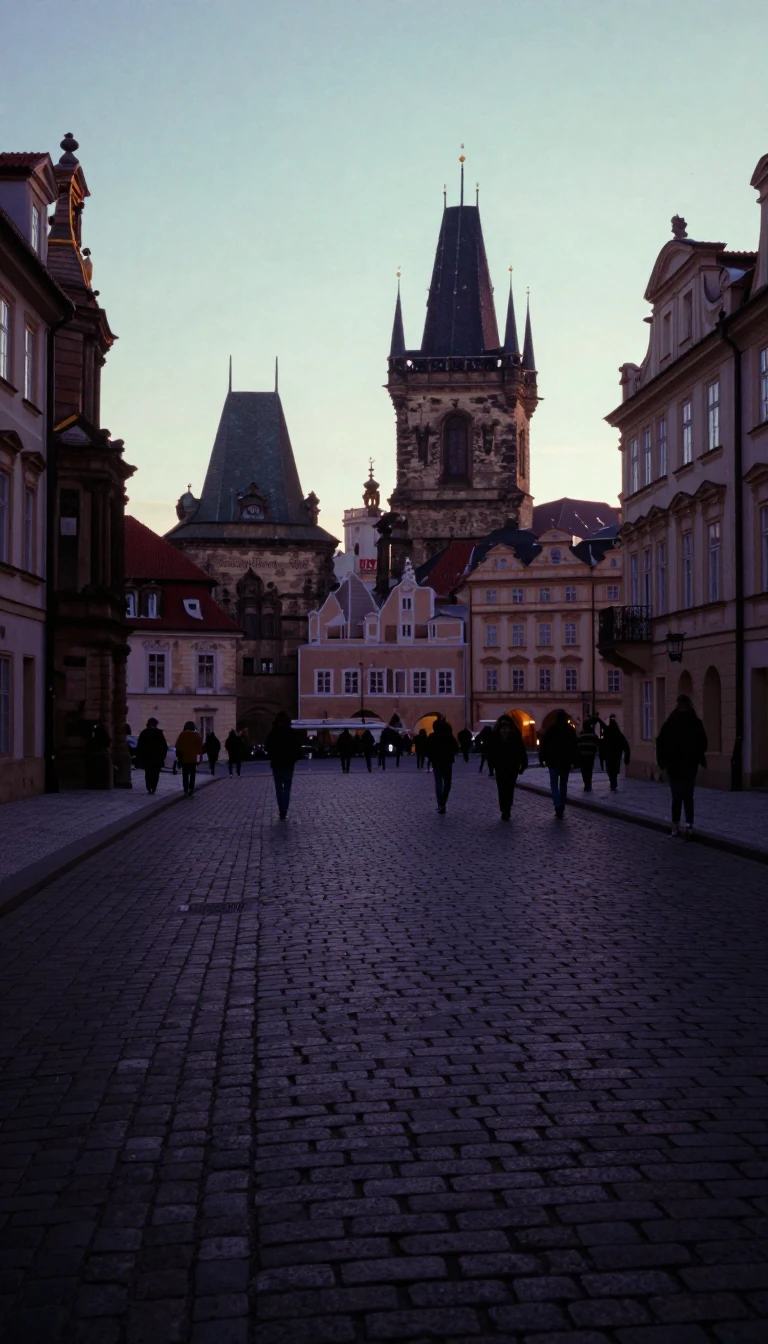
In short: Founded by Peter the Great in 1703, Saint Petersburg was carved from inhospitable swampland to serve as Russia’s imperial capital. Designed to mimic the canals of Venice and the grandeur of Versailles, this cosmopolitan city transformed from a forced labor project into a cultural powerhouse that defined two centuries of Russian history.
Tsar Peter I established Saint Petersburg on the Neva River delta to secure a strategic seaport and a gateway to Western influence. The site was notoriously difficult, characterized by low-lying marshes prone to severe flooding. To realize his vision, Peter enforced a massive conscription of serfs, requiring tens of thousands to travel hundreds of kilometers on foot to drain the land and construct the city’s infrastructure. To ensure rapid development, he restricted stone construction elsewhere in Russia, forcing all skilled stonemasons to relocate to the new capital.
The city’s layout was heavily influenced by European design, particularly the canals of Amsterdam and the palaces of France. Peter invited architects, engineers, and scientists from across Europe to build a cosmopolitan center that stood in stark contrast to the traditional Russian character of Moscow. This ambition was solidified when the capital moved to Saint Petersburg in 1712, where it remained for over two centuries. The city became the stage for pivotal historical events, including the 1917 revolutions and the intense defense during World War II, while also fostering a unique cultural identity centered on its famous White Nights and architectural splendor.
Despite its grandeur, the city’s geography remained a constant challenge. Recurrent flooding, particularly in 1777, 1824, and 1924, threatened the urban landscape, eventually necessitating the construction of an 18-mile dike in the 1980s to protect the city from the Gulf of Finland. Today, Saint Petersburg retains its status as a cultural hub, having undergone significant restoration following the collapse of the Soviet Union. It remains a city of paradoxes: a northern metropolis with a mild maritime climate, a historic UNESCO World Heritage site, and a modern center home to the 87-story Lakhta Centre.
Opens the Intellect+ feed with this card first. Swipe up for the next one.
Sources
- Summary by Intellect · source: St. Petersburg | Map, Points of Interest, & History | Britannica
- Also: History of Saint Petersburg
To cite this card, link to https://intellectplus.co.uk/app/history-history-of-saint-petersburg.
How we source, check and correct cards: Editorial standards.
General information, not professional advice. Spotted an error? Flag the card or see corrections and complaints.
Intellect Plus is a visual educational discovery platform for exploring fascinating facts and ideas. Brain Food, Not Brain Rot. What is Intellect Plus?
Related
More in History by country, small region and city · More in History · Latest · A–Z · All topics
