How an uninhabited volcanic archipelago became the center of a global sugar empire
In short: Discovered by Portuguese explorers around 1470, these equatorial islands were initially empty. Within a century, they transformed into the world's largest sugar producer, fueled by forced labor. This economic rise triggered a volatile history of colonial exploitation, slave resistance, and a transition to modern multiparty democracy in 1990.
When Portuguese navigators first encountered the islands around 1470, they were entirely uninhabited. By the late 15th century, the Portuguese crown began populating the territory with convicts and children expelled from Portugal, alongside enslaved Africans brought to cultivate sugar. By the mid-16th century, the islands briefly held the title of the world's largest sugar producer. However, this dominance was short-lived, undermined by competition from Brazil and the poor quality of the local product. Social instability followed, marked by a significant 1595 uprising led by a self-proclaimed king of the enslaved, Amador.
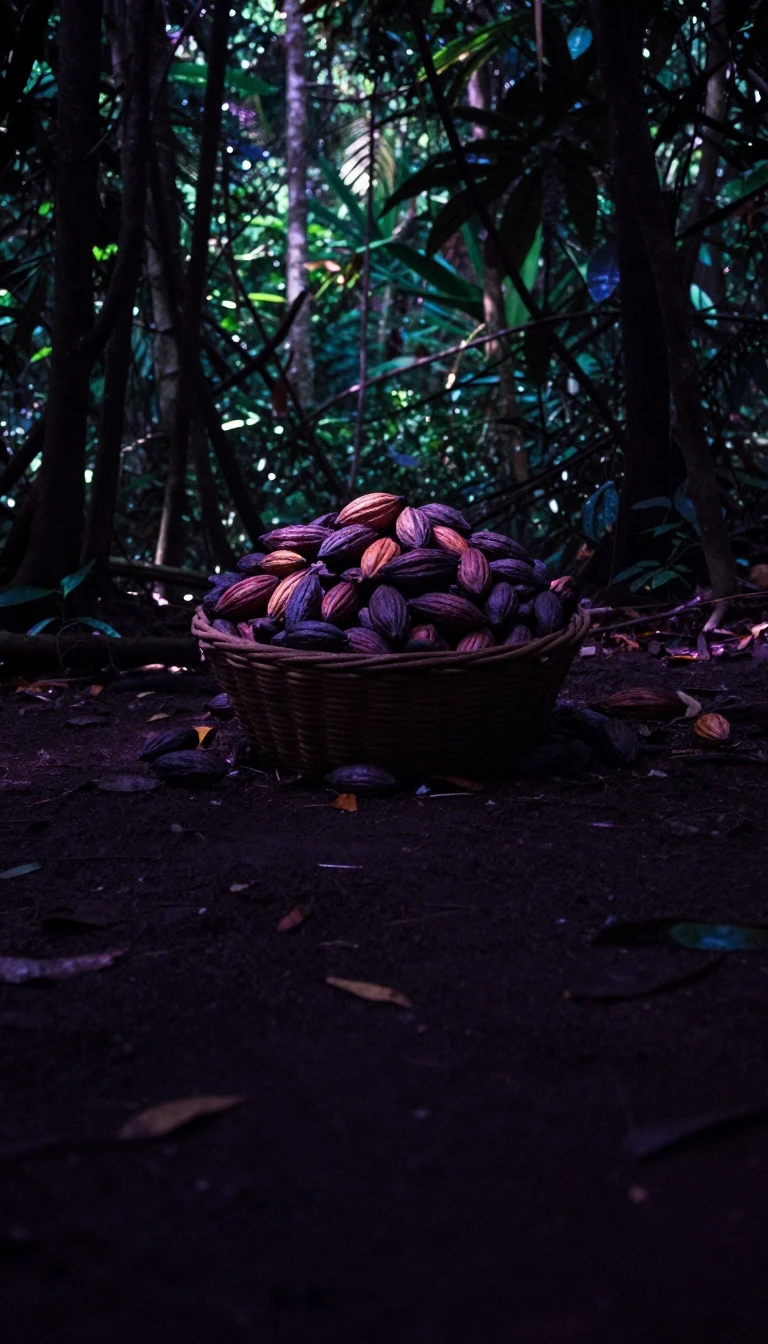
Following the collapse of the sugar industry, the islands functioned as a strategic transit hub for the Atlantic slave trade. The economy shifted again in the 19th century with the introduction of coffee and cacao. By the 1890s, cocoa had become the primary cash crop, and for a time in the early 20th century, the colony was the world's leading producer. This expansion relied on indentured laborers recruited from Angola, Cabo Verde, and Mozambique, whose conditions were often indistinguishable from slavery until 1910. The brutal treatment of these workers culminated in the 1953 Batepá Massacre, a pivotal event that fueled the local movement for independence.
The path to sovereignty accelerated after a 1974 coup in Portugal, leading to formal independence on July 12, 1975. The new nation initially adopted eastern European political models under its first president, Manuel Pinto da Costa. Economic struggles and public pressure eventually prompted a shift toward liberalization. In 1990, the country established a multiparty democracy, holding free elections in 1991 that brought Miguel Trovoada to power. Despite a brief military coup in 1995 and another in 2003, the nation has navigated a complex transition, eventually electing Fradique de Menezes in 2001 as it sought to balance internal political stability with its economic future.
Opens the Intellect+ feed with this card first. Swipe up for the next one.
Sources
- Summary by Intellect · source: History of Sao Tome and Principe | Events, People, Dates, Maps, & Facts | Britannica
- Also: History of São Tomé and Príncipe
To cite this card, link to https://intellectplus.co.uk/app/history-history-of-s-o-tom-and-pr-ncipe.
How we source, check and correct cards: Editorial standards.
General information, not professional advice. Spotted an error? Flag the card or see corrections and complaints.
Intellect Plus is a visual educational discovery platform for exploring fascinating facts and ideas. Brain Food, Not Brain Rot. What is Intellect Plus?
Related
More in History by country, small region and city · More in History · Latest · A–Z · All topics
