Before software existed, programmers were human beings who physically rewired entire electronic computers.
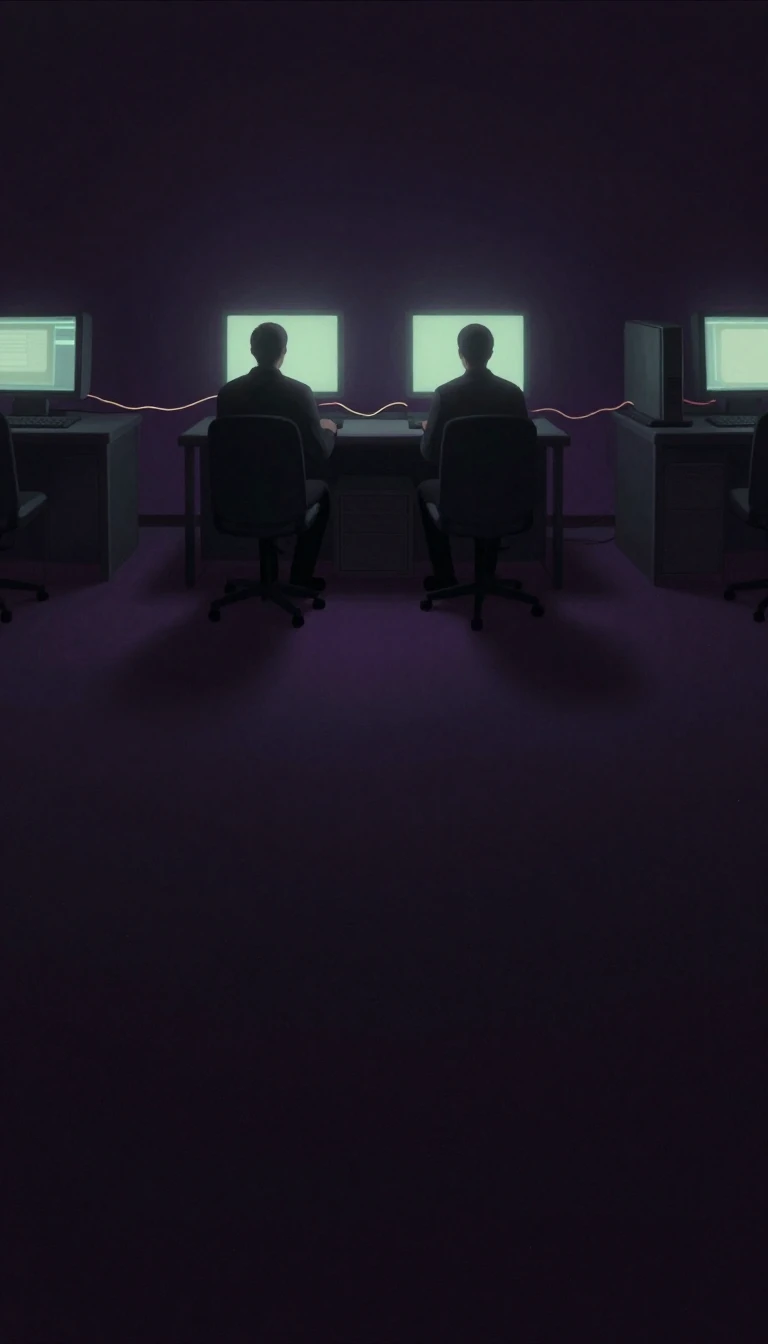
In short: Modern software feels like an abstract, intangible layer of our digital lives, but its origins were profoundly physical. Before stored-program computers, computing meant manually reconfiguring hardware. The transition from physical patch panels to the code we know today transformed how we interact with machines, sparking legal battles and revolutions.
The concept of software as we understand it—instructions stored in memory for a processor—is a recent development. While Ada Lovelace wrote the first theoretical algorithm for Charles Babbage’s 19th-century analytical engine, the hardware of that era could not support it. True software only emerged with stored-program digital computers, the first of which successfully executed a program at the University of Manchester on June 21, 1948.
Before this, programming was a manual, mechanical task. The ENIAC, for instance, was programmed by women who physically wired patch panels to configure the machine. Even as late as the Apollo moon missions, flight software was literally woven into magnetic cores by hand, where wire placement represented binary ones and zeros. This physical nature meant that software development was often frozen for weeks while hardware was assembled.
As the industry matured, software shifted from being bundled with hardware by manufacturers like IBM to becoming an independent, packaged product. This transition triggered significant legal scrutiny, including antitrust cases over tying software to specific machines. By the 1970s and 1980s, the rise of the personal computer and the publication of IBM’s PC specifications by Philip Don Estridge cemented the dominance of commercial software, while simultaneously fueling the rise of software piracy and the eventual birth of the Free and Open Source Software movement.
The evolution of programming languages—from binary code and assembly language to high-level tools like FORTRAN and COBOL—drastically changed the field. Pioneers like Grace Hopper and Margaret Hamilton, who coined the term 'software engineering,' moved the discipline from tedious, error-prone manual input toward the sophisticated, reliable systems that power the modern world. Today, software is no longer just a component of hardware; it is the fundamental architecture of the Information Age.
Opens the Intellect+ feed with this card first. Swipe up for the next one.
Sources
- Summary by Intellect · source: History of software
To cite this card, link to https://intellectplus.co.uk/app/history-history-of-software.
How we source, check and correct cards: Editorial standards.
General information, not professional advice. Spotted an error? Flag the card or see corrections and complaints.
Intellect Plus is a visual educational discovery platform for exploring fascinating facts and ideas. Brain Food, Not Brain Rot. What is Intellect Plus?
Related
More in History by topic · More in History · Latest · A–Z · All topics
