From the cradle of civilization to modern oil wealth, how did the Middle East evolve?
In short: The Middle East served as the birthplace of agriculture and the world's earliest urban cultures. Over millennia, it transitioned from ancient Mesopotamian empires and Egyptian pharaohs to a complex modern landscape shaped by colonial shifts, the discovery of vast petroleum reserves, and ongoing geopolitical tensions that define the region today.
The Middle East's historical significance is rooted in its geography, which provided ideal conditions for early agriculture. By the 8th or 9th millennium BCE, communities in Palestine were already practicing simple farming, utilizing wild grains like wheat and barley. By the 6th millennium BCE, sophisticated irrigation techniques were emerging along the Tigris and Euphrates rivers, allowing for the development of urban centers like Nineveh by the 5th millennium BCE.
Civilization flourished as the Sumerians established the world's oldest literate culture in the late 4th millennium BCE. This era saw the rise of powerful empires, including the Akkadian Empire under Sargon I around 2300 BCE and the unification of Egypt under its first pharaoh by 3150 BCE. Over the following centuries, the region was contested by various powers, from the Achaemenid Persians to the Roman and Byzantine Empires, which held influence until the 15th century.
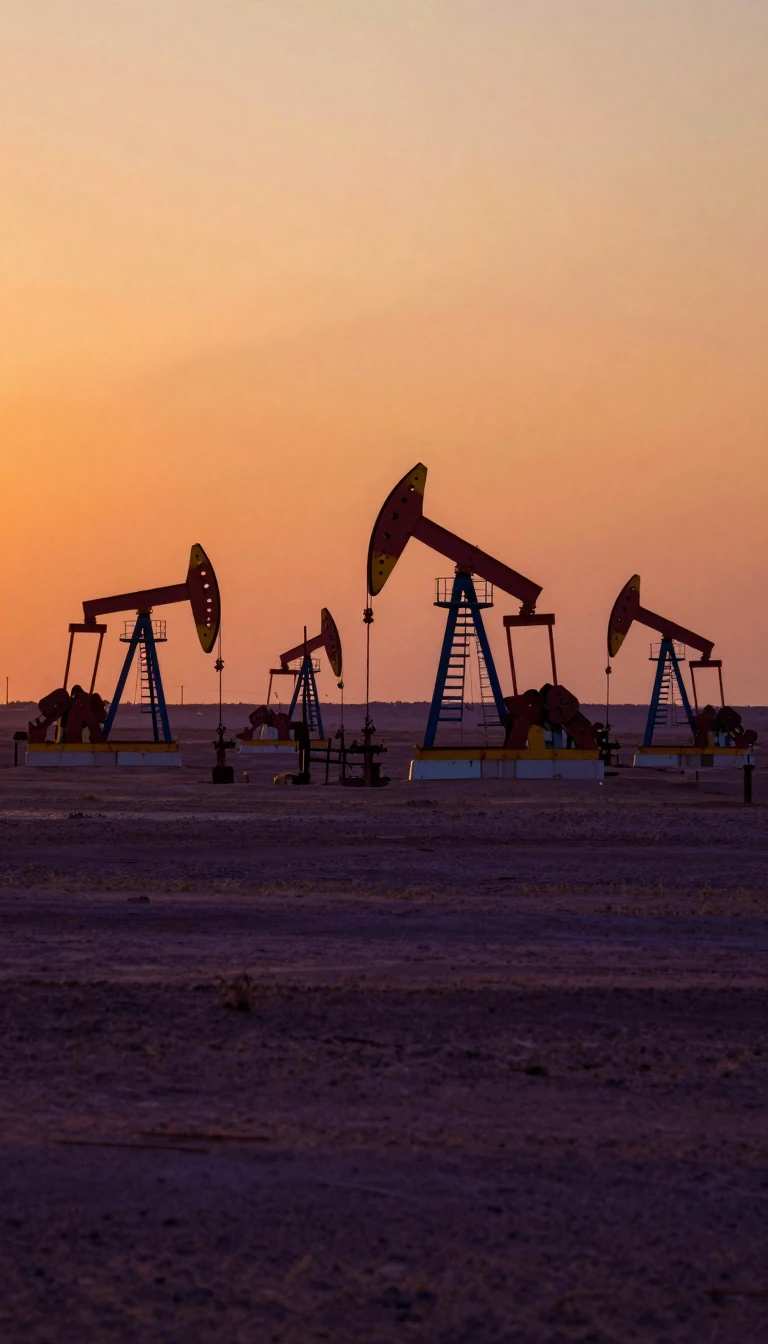
The modern era was defined by the decline of the Ottoman Empire, the impact of European colonial interests in the 18th and 19th centuries, and the transformative discovery of oil in 1908. Following the withdrawal of British, French, and Soviet forces after World War II, the region saw the establishment of Israel in 1948 and the rise of pan-Arabism. Today, the Middle East remains a focal point of global politics, influenced by the petroleum industry, the legacy of the Cold War, and contemporary conflicts.
While the region has experienced significant economic growth, particularly in small, oil-rich Gulf states like Qatar and the United Arab Emirates, it continues to face challenges. Political instability, the rise of Islamism, and the complexities of the post-Cold War era have created a volatile environment. From the Arab Spring of the 2010s to the current military tensions involving the United States and Iran, the region remains in a state of profound, interconnected change.
Opens the Intellect+ feed with this card first. Swipe up for the next one.
Sources
- Summary by Intellect · source: History of the Middle East
- Also: Ancient Middle East | History, Cities, Civilizations, & Religion | Britannica
To cite this card, link to https://intellectplus.co.uk/app/history-history-of-the-middle-east.
How we source, check and correct cards: Editorial standards.
General information, not professional advice. Spotted an error? Flag the card or see corrections and complaints.
Intellect Plus is a visual educational discovery platform for exploring fascinating facts and ideas. Brain Food, Not Brain Rot. What is Intellect Plus?
Related
More in History by continent and region · More in History · Latest · A–Z · All topics
