 Intellect Plus
History by continent and region
63 cards. Each one is a 40-second story with a five-minute read behind it.
 The first Green Party in North America was born in British ColumbiaBefore it was a global movement, the Green Party of British Columbia was a pioneer. Founded in 1983, it navigated decades of internal schisms, leadership battles, and electoral hu…
 The island where cars drove on the wrong side of the roadFor over two decades, Okinawa existed in a unique geopolitical limbo. While technically Japanese territory, it was governed by a U.S. civil administration that could overrule ever…
 Why the colors of political parties are rarely as universal as they seemPolitical colors act as a visual shorthand for ideology, yet their meanings shift wildly across borders. While red often signals left-wing movements and blue typically denotes con…
 How a Hollywood actor transformed American politics and redefined the conservative movement for decadesBefore he was the 40th U.S. president, Ronald Reagan was a B-movie actor and union leader. His presidency, spanning 1981 to 1989, marked a seismic shift toward conservatism, fuele…
 Why a global network of progressive parties emerged from a broken membership feeIn 2013, a new political international launched to challenge the established Socialist International. Born from a German party's refusal to keep paying dues to an organization it …
 Psilocin: The ancient fungal compound reshaping modern understanding of the human brainFound in over 100 species of fungi, psilocin is the primary psychoactive agent responsible for the mind-altering effects of magic mushrooms. Long revered by Indigenous cultures as…
 How a wartime experiment became a professional baseball league for womenBorn from fears that World War II would empty the major league rosters, Philip K. Wrigley launched a professional women's circuit in 1943. While it began as a softball-hybrid spec…
 How a global trade hub created a unique, multi-ethnic society in South AfricaThe Cape Coloured community is not a single race, but a creolised society born from centuries of global migration. Formed by the mixing of indigenous Khoi and San, European settle…
 The dollar sign’s true origin remains a mystery despite centuries of wild speculationThe symbol for the world’s most powerful currency has no clear history. From royal coats of arms to scribal shorthand, theories abound, but none are definitive. Whether it represe…
 For millennia, humanity viewed the sky as a solid, hammered dome of divine engineering.Before modern astronomy, the firmament was not merely empty space but a physical barrier separating Earth from celestial waters. From ancient Near Eastern myths to medieval theolo…
 Indian Territory was never a formal U.S. territory, despite its name and purpose.While the United States government used the term to designate lands for the forced relocation of Native American tribes, this region lacked the legal status of an organized territ…
 The Italian lira was a currency born of Napoleonic ambition and Carolingian tradition.For nearly two centuries, the lira served as the heartbeat of Italy's economy. From its 1807 origins under Napoleon to its final replacement by the euro in 2002, the currency navi…
 The New Order: How Nazi Germany Planned to Remake the World MapNazi Germany's New Order was a sprawling, brutal geopolitical blueprint for a German-dominated world. Beyond the Holocaust, it envisioned a racial hierarchy, the enslavement of en…
 Why almost every European Union passport shares the same deep burgundy colorWhile the European Union does not issue its own passports, it has harmonized their design since the 1980s. Today, 26 of the 27 member states use a standardized burgundy cover, a v…
 Philippine mythology is a vast, non-unified tapestry of oral traditions and indigenous creation stories.Far from a single, monolithic narrative, Philippine mythology is a collection of diverse, localized beliefs shaped by centuries of migration, trade, and colonial influence. From t…
 From Spanish silver to modern fiat: the turbulent evolution of the Philippine pesoThe Philippine peso traces its lineage to the Spanish pieces of eight, yet its history is defined by colonial shifts, wartime hyperinflation, and a long struggle for central bank …
 Is the Netherlands' most powerful region actually a myth?The Randstad, a crescent of cities housing nearly half the Dutch population, generates half the nation's GDP. Yet, influential urbanists argue this economic powerhouse does not ex…
 How a decade of failed scripts finally produced the action thriller ShooterBefore Mark Wahlberg stepped into the role of Bob Lee Swagger, the adaptation of Stephen Hunter’s novel Point of Impact languished in development for twelve years. Seven screenwri…
 Canada's massive transcontinental highway system was never designed to be a uniform national road.Spanning 12,800 kilometres, the Trans-Canada Highway is a patchwork of provincial routes rather than a single federal project. While it connects Victoria to St. John's, the system…
 The second von der Leyen Commission faces the lowest parliamentary support since 1993Taking office on December 1, 2024, the second von der Leyen Commission represents a significant shift in European governance. Despite securing a second term, President Ursula von …
- How a colonial minority became a complex, shifting demographic in modern South AfricaWhite South Africans, descendants of European settlers, have navigated centuries of profound transformation. From the arrival of the Dutch in 1652 to the end of apartheid in 1994,…
 The Yayoi period transformed Japan from a hunter-gatherer society into a stratified agricultural power.Between 300 BC and AD 300, Japan underwent a radical shift. Migrants from the Korean Peninsula introduced wet-rice farming, iron tools, and complex social hierarchies. This era, k…
 The Yamato identity was once a tool of imperial propaganda, not just an ethnicity.The term Yamato describes the majority ethnic group of Japan, but its history is far from simple. Originally referring to a specific province, it was weaponized in the 20th centur…
 Was this legendary warlord a benevolent Confucian leader or a ruthless political operator?Liu Bei is celebrated in East Asian culture as the quintessential virtuous ruler, a reputation cemented by the 14th-century novel Romance of the Three Kingdoms. Yet, historical re…
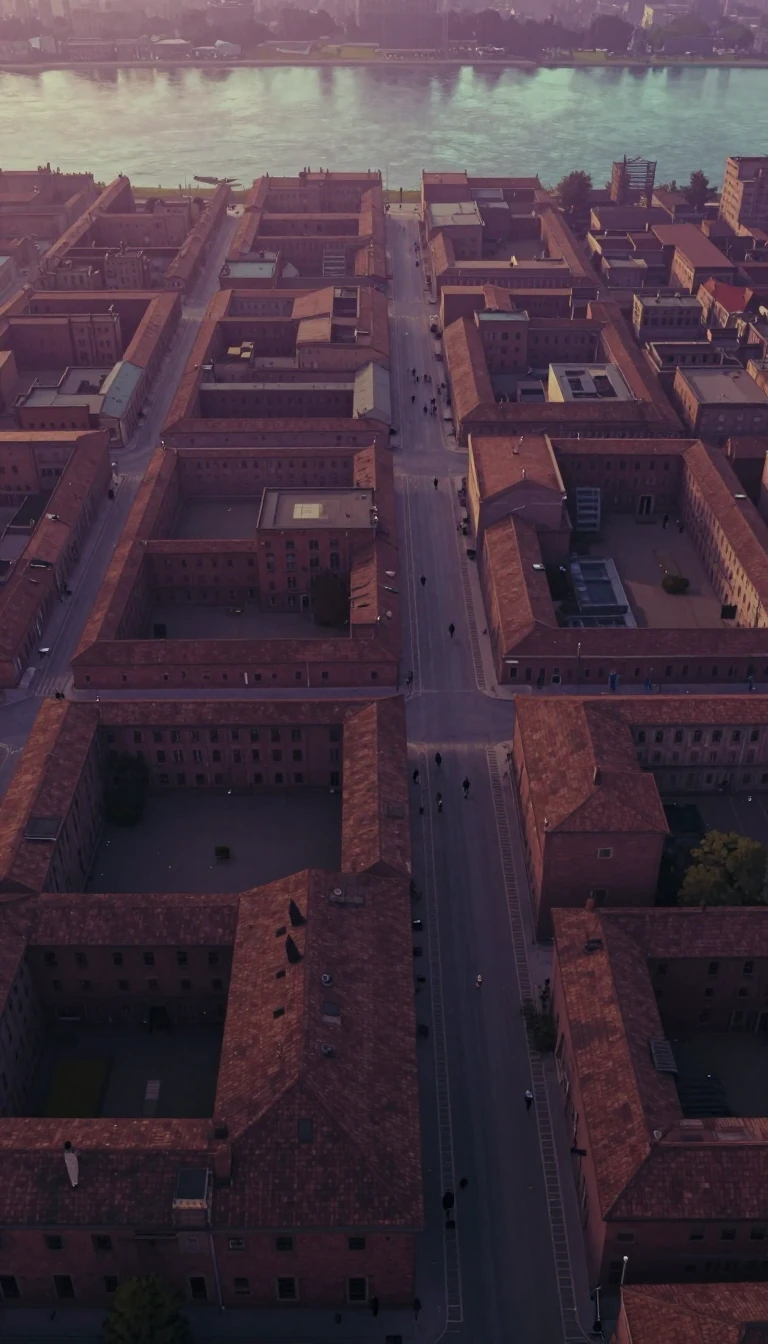 How a colonial entrepôt became the first city in Malaysia's historyEstablished in 1786 by Francis Light, George Town evolved from a dense jungle cape into a thriving British colonial hub. It served as the first British settlement in Southeast Asi…
- Gunpowder was a failed elixir of life that accidentally changed the world foreverInvented by Taoist alchemists searching for immortality, gunpowder began as a volatile side effect of chemical experiments. Far from its modern reputation as a tool of war, this f…
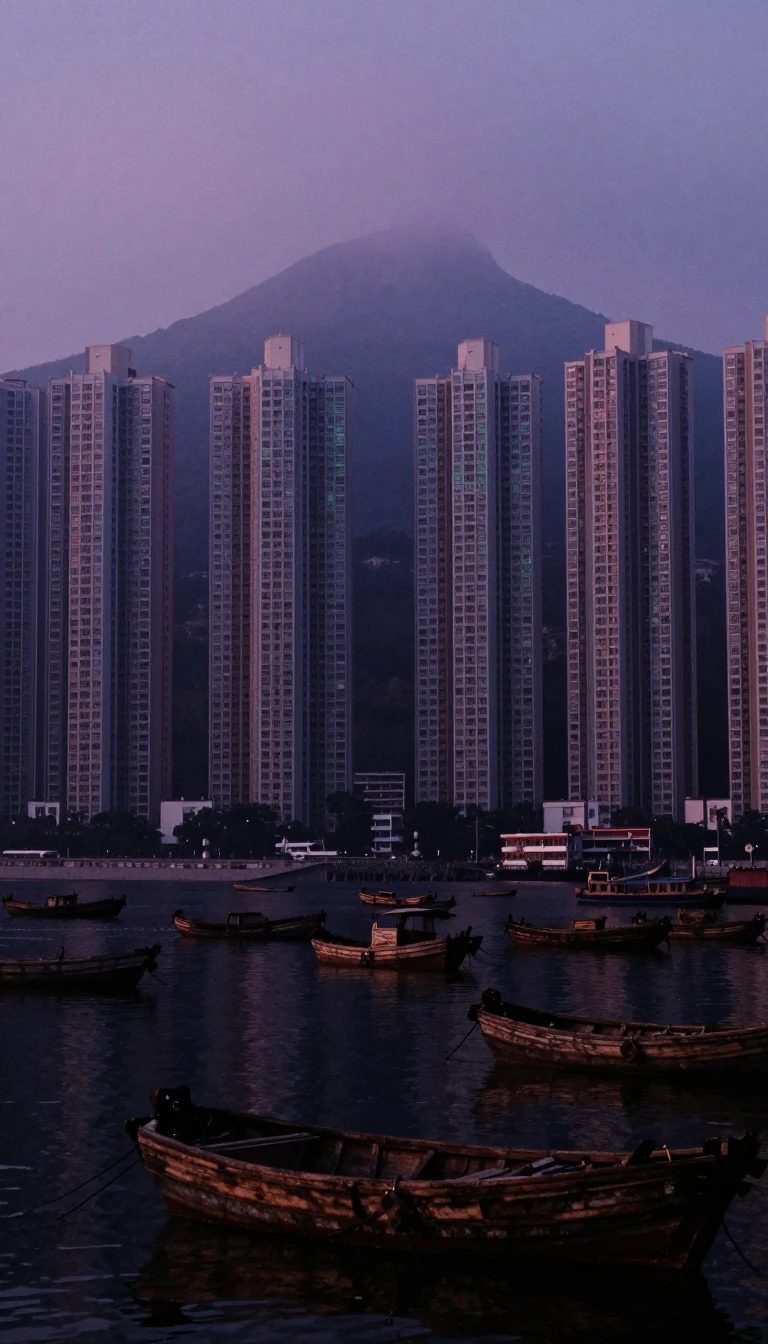 How a small trading outpost became the Lion City of the modern worldSingapore was once a quiet island settlement, caught between empires and pirates. From its 14th-century origins as a trading hub to its transformation into a British Crown Colony …
 How a radical agrarian experiment led to the death of 25% of Cambodia's population.Between 1975 and 1979, the Khmer Rouge attempted to transform Cambodia into a perfectly egalitarian, self-sufficient society by abolishing money, trade, and private property. This…
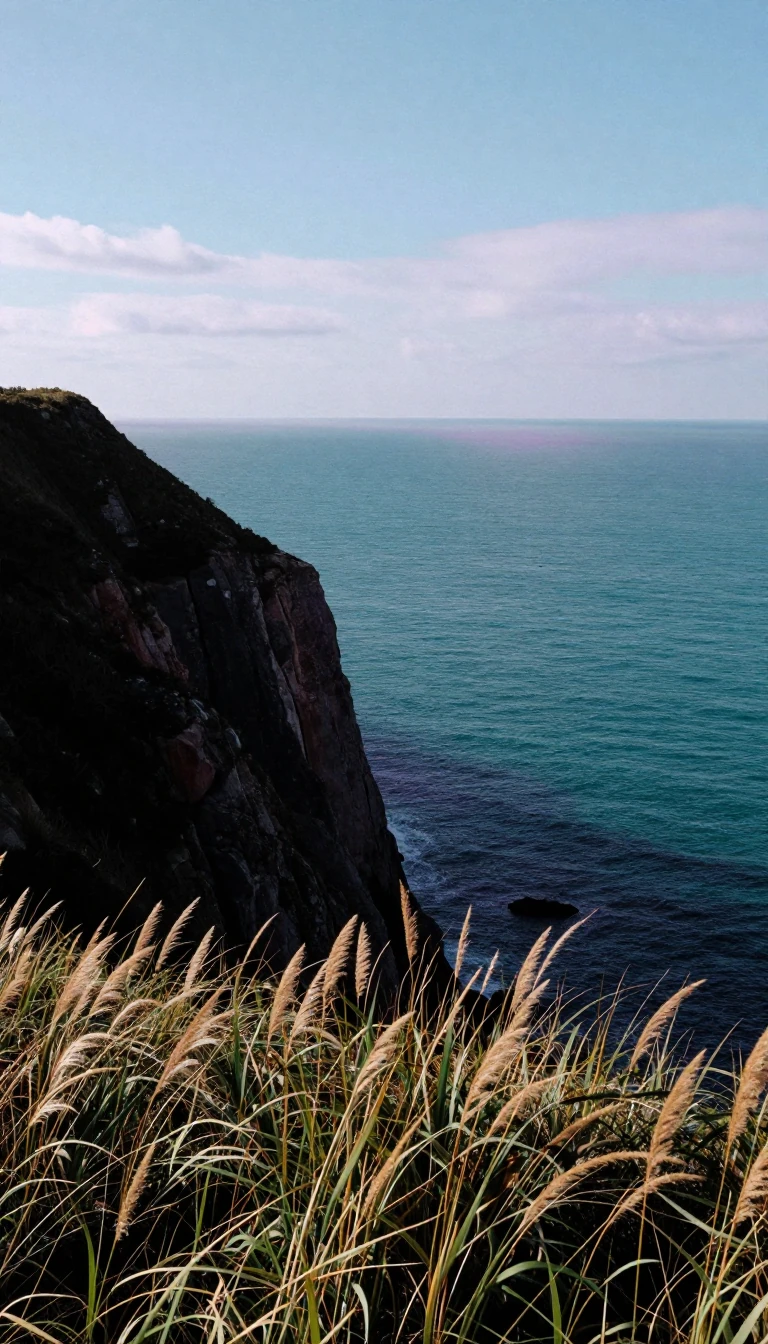 The Spratly Islands are a shifting, disputed archipelago of reefs, sand, and strategic ambition.Named after a 19th-century British whaler, the Spratly Islands are a collection of over 100 reefs and tiny cays in the South China Sea. Though they contain less than 500 acres of …
 The shifting definition of betrayal: from broken vows to broken nationsTreason was once a personal crime of intimacy, covering everything from murdering a husband to adultery with a queen. Today, it is a matter of national security. Explore how the l…
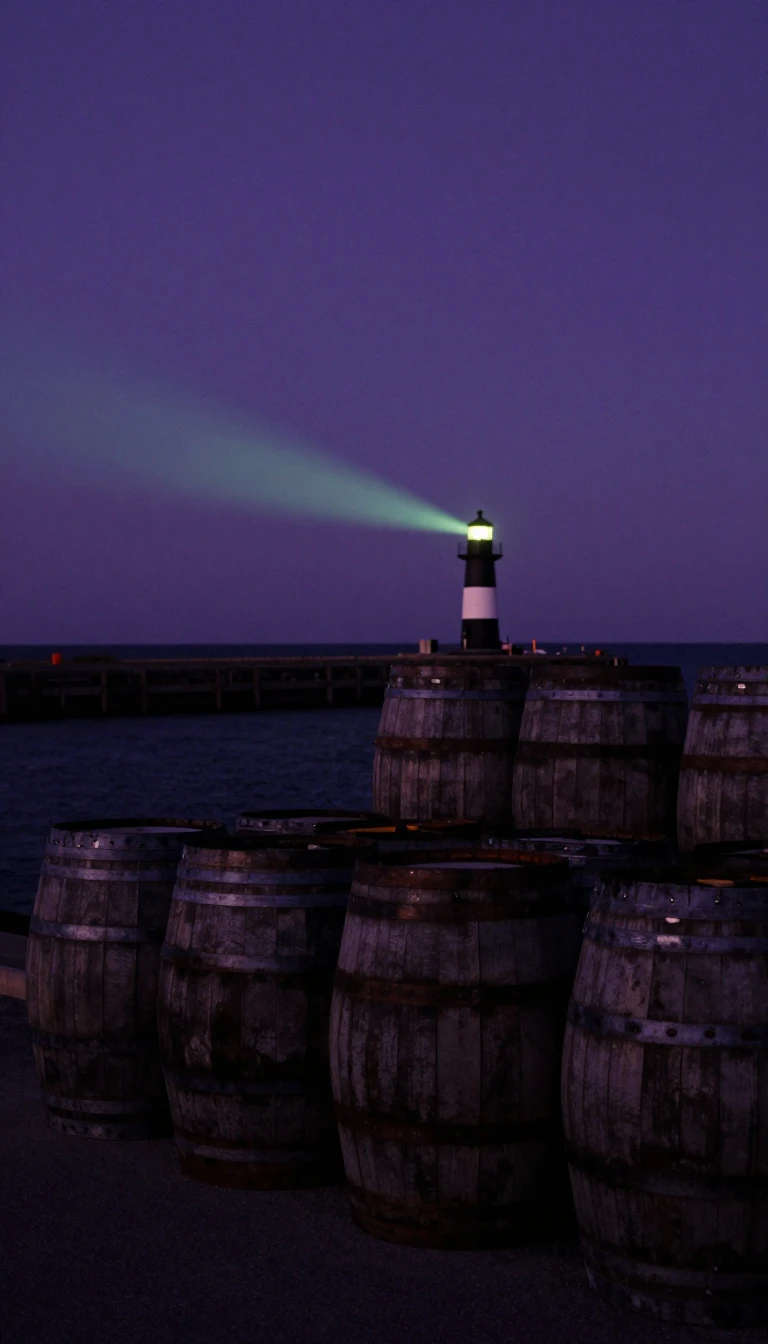 How a precarious anchorage beneath Table Mountain became South Africa’s legislative powerhouseCape Town was never an ideal harbor, yet it became the mother city of South Africa. Forced to settle on a storm-exposed bay to access fresh water, Dutch settlers built a thriving …
 When the Holy Roman Emperor’s unpaid army accidentally destroyed the heart of the RenaissanceIn 1527, a mutinous force of 34,000 Imperial troops stormed Rome, shattering the city’s golden age. What began as a political threat by Charles V spiraled into a months-long night…
 Did a 1763 royal decree accidentally help trigger the American Revolution?Issued by King George III, the Royal Proclamation of 1763 drew a line along the Appalachian Mountains to restrict colonial expansion. While intended to manage postwar territories …
 From a basement tutoring session to a global research powerhouse in PhiladelphiaFounded in 1884 by a Baptist minister to educate working-class citizens, Temple University evolved from humble night classes into a major R1 research institution. Today, this stat…
 Why did a British colonel build a city to mirror the power of the Crown?Founded in 1858 by Colonel Richard Clement Moody, New Westminster was designed as a strategic bulwark to secure British authority on the Pacific coast. Intended to be a city of be…
 Why the ancient Kushite rulers built hundreds of pyramids in the Sudanese desertWhile Egypt is famous for its massive monuments, the region of Nubia in present-day Sudan holds a secret of its own. Kushite royalty constructed hundreds of pyramids over a millen…
 How a post-war economic experiment evolved into the modern European UnionBorn from the 1957 Treaty of Rome, the European Economic Community began as a modest customs union among six nations. Designed to prevent future conflict through economic integrat…
 From the cradle of civilization to modern oil wealth, how did the Middle East evolve?The Middle East served as the birthplace of agriculture and the world's earliest urban cultures. Over millennia, it transitioned from ancient Mesopotamian empires and Egyptian pha…
 After four presidential bids, Keiko Fujimori has finally ascended to the Peruvian presidency.The daughter of former dictator Alberto Fujimori, Keiko Fujimori has spent decades as the face of Peruvian right-wing populism. After three narrow runoff defeats and years of lega…
 The Mandinka people: A legacy of empire, oral tradition, and complex social structuresNumbering about 15 million, the Mandinka are one of Africa's largest ethnolinguistic groups. Descendants of the 13th-century Mali Empire, they have maintained a distinct identity …
 The Maxim gun: A 19th-century invention still downing modern missiles todayInvented in 1884, the Maxim gun was the first fully automatic weapon to use recoil energy to eject spent cartridges and load new ones. While it became the iconic tool of imperial …
 The Polisario Front has waged a decades-long struggle for Western Sahara's independence from Morocco.Formed in 1973 to challenge Spanish colonial rule, the Polisario Front evolved into a state-in-waiting for the Sahrawi people. Today, it operates from refugee camps in Algeria, ma…
 Amenhotep III: The Magnificent Pharaoh Who Ruled at the Height of Egyptian GrandeurAs the ninth pharaoh of the Eighteenth Dynasty, Amenhotep III presided over an era of unparalleled artistic and international influence. Known as the Magnificent, he was one of th…
- Ecuador's youngest president, Daniel Noboa, is reshaping the nation through a militarized security agenda.Elected at 35, Daniel Noboa became the youngest president in Ecuadorian history. His tenure has been defined by a fierce, militarized crackdown on criminal gangs, a controversial …
- The invasive plant that turned colonial soldiers into temporary fools for eleven daysDatura stramonium, or jimsonweed, is a potent nightshade that has been used for centuries in sacred rituals, traditional medicine, and even alleged zombie-making. While its halluc…
 Why a 1994 uprising in Chiapas still defines the struggle for indigenous autonomy today.On New Year’s Day 1994, the Zapatista Army of National Liberation launched an insurrection in Mexico’s southernmost state. While the initial military conflict lasted less than two…
- The Commonwealth of the Philippines was a decade-long bridge to full national sovereignty.Established in 1935 as a transitional administration under United States oversight, the Commonwealth was designed to prepare the Philippines for independence. It navigated interna…
- Why the Dutch are named after the common people and the lowlandsThe term Dutch originates from a Proto-Germanic word for the common people, while their self-identifier, Nederlanders, describes their geography. Despite their shared language and…
- How engineers saved a mountain of ancient Egyptian history from rising floodwatersIn the 1960s, the monumental temples of Abu Simbel faced total destruction as the Aswan Dam threatened to submerge them forever. To preserve these 13th-century BC masterpieces, an…
 Ice nearly emptied Europe—then three ancestries remade itKostenki 14, living by the Don about 37,000 years ago, already carries ancestry still visible in today’s Europeans. When ice peaked between about 27,000 and 19,000 years ago, huma…
 When the Sahara greened, North Africa’s map changedAround 15,000 years before present, a stronger West African Monsoon turned the Sahara humid—lakes, wetlands, savanna—until that Green Sahara faded between about 5500 and 4000 BP. …
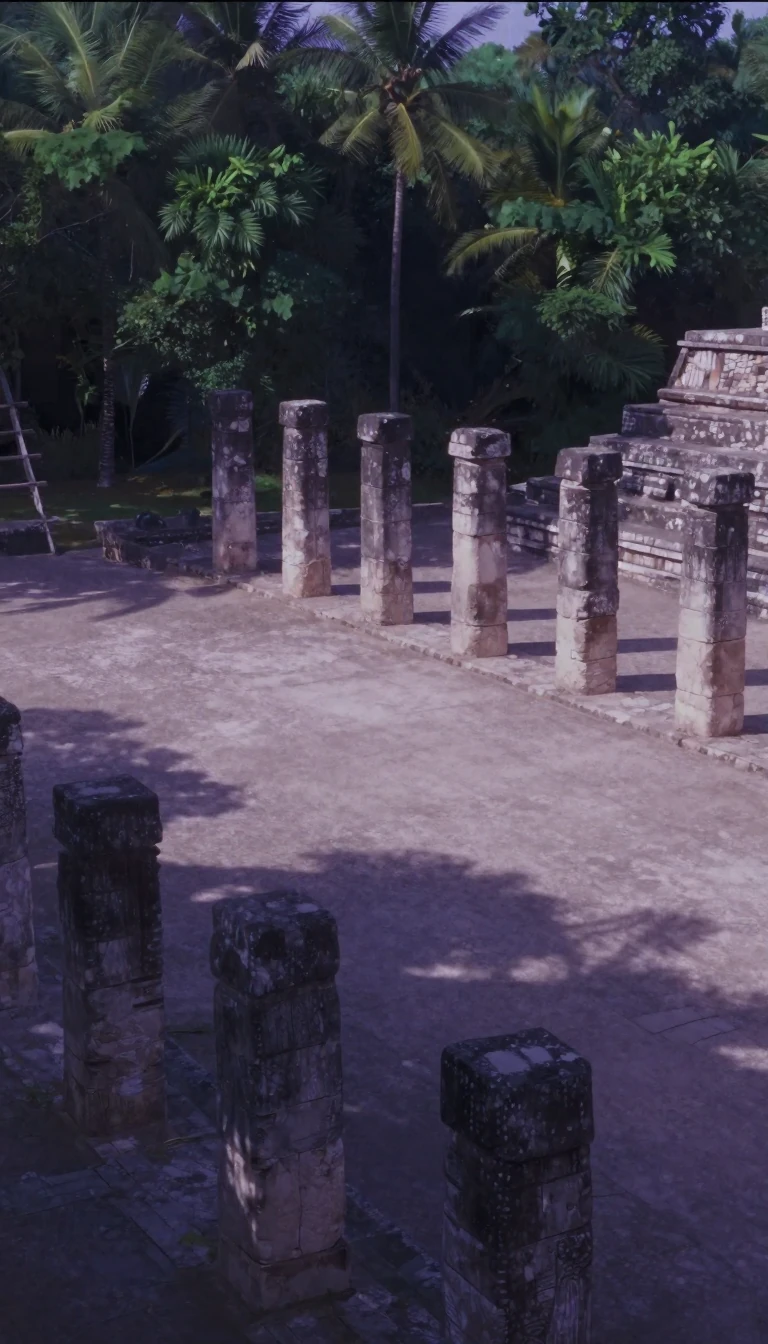 Maya invented zero centuries before the Old WorldAgriculture arose independently in North America’s Eastern Woodlands and Mesoamerica. Southern peoples domesticated tomatoes, squash, and—crucially—maize. The Maya built pyramids,…
 Lapita sailors crossed 6,000 kilometers in centuriesNear Oceania held people by about 70,000 years ago; Remote Oceania waited until roughly 3,000 years ago. Between about 1300 and 900 BCE, Lapita culture raced some 6,000 kilometers…
- Ice delayed Scandinavia’s Stone Age by millenniaUnder the Weichselian ice sheet, almost all of Scandinavia stayed buried, so the Stone Age arrived late. Permanent though still mobile habitation took root only around 12,000 BCE …
- Peru’s Norte Chico rose with the Egyptian pyramidsOn Peru’s northwest coast, the Caral–Supe or Norte Chico civilization emerged around 3500 BC—the oldest in the Americas and one of only six pristine civilizations on Earth. It was…
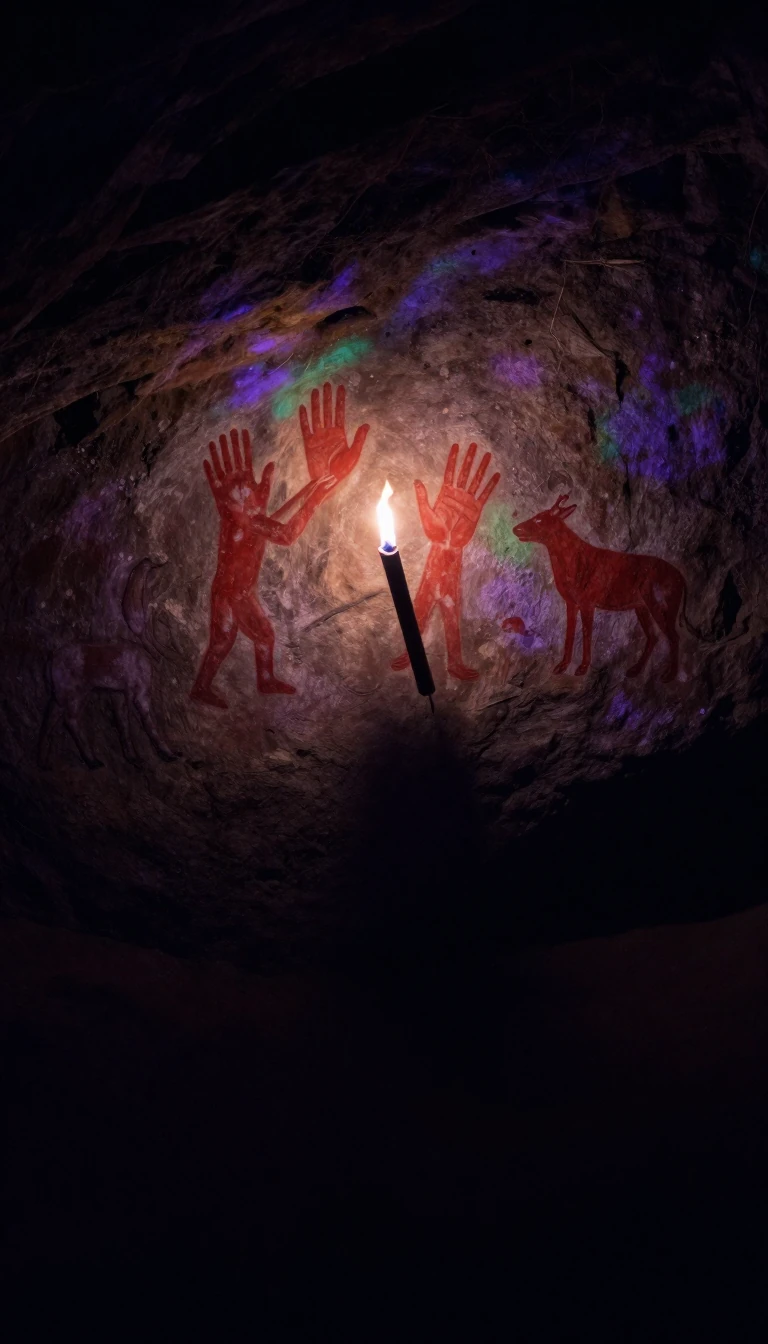 World’s oldest cave art hides in Sulawesi and BorneoRock paintings in Sulawesi and Borneo caves date from about 40,000 to 60,000 years ago—currently the world’s oldest known. Homo erectus occupied the region from roughly 1.5 millio…
 Trinidad was settled before it became an islandArchaeology suggests people reached Trinidad as early as 9000/8000 BCE—while it was still attached to South America. Only around 7000/6000 BCE did seas rise about sixty meters and…
 Rome called the Mediterranean “Our Sea”—and meant itFor the first time in history, one state cleared piracy from an entire sea. Under Augustus the Romans branded the Mediterranean Mare Nostrum and turned it into a commercial lake r…
 Guns ended steppe rule—then empires carved the mapFor millennia, arid Central Asia favored mobile horse peoples over cities. Their horse-archer coalitions—from Huns to Mongols—could smash settled empires. Firearms flipped the bal…
 Chopsticks, Confucianism, and Buddhism knit East AsiaHistorian Charles Holcombe argues East Asia coheres culturally through Confucian ethics, Buddhist influence, and chopsticks. Recorded civilization appears with China’s Shang along…