How the Republic of China survived the collapse of two millennia of imperial rule
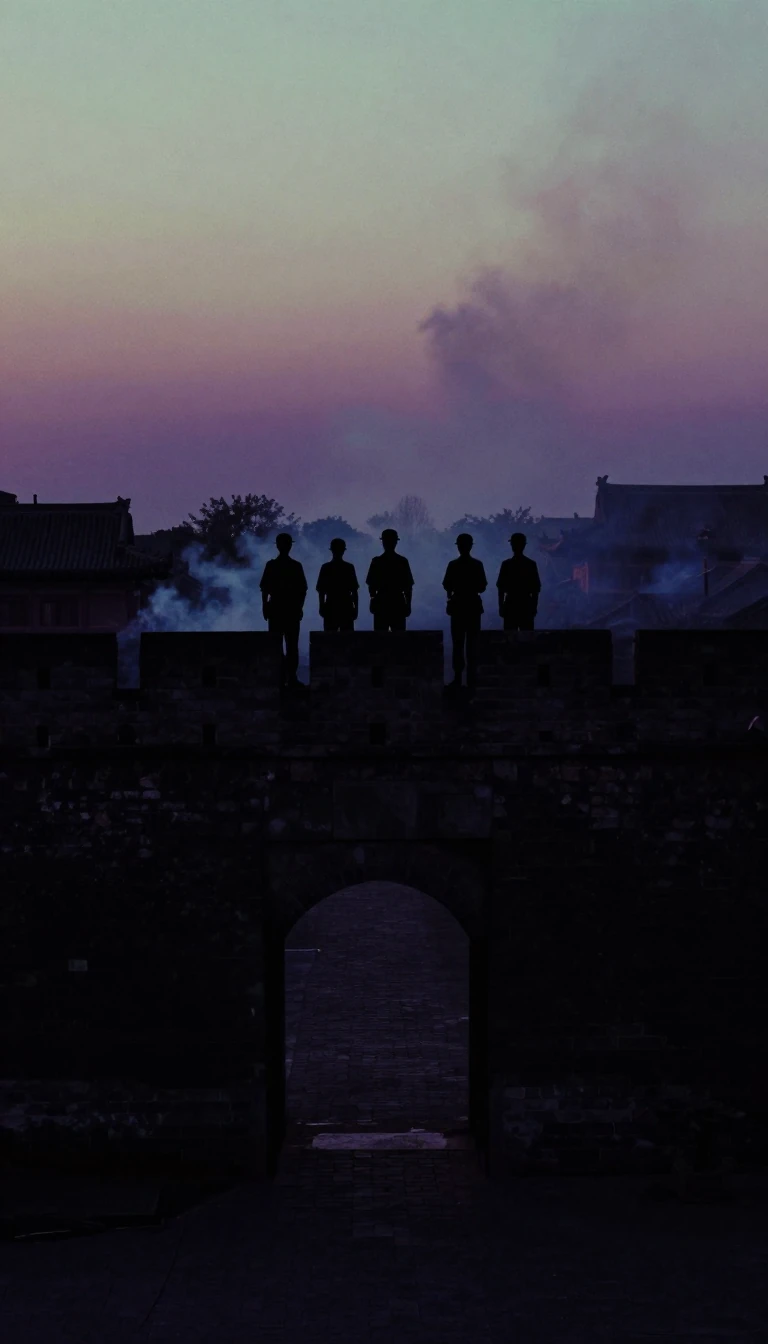
In short: In 1912, the Republic of China emerged from the ashes of the Qing dynasty, ending two thousand years of imperial governance. Yet, the transition was far from smooth. Beset by warlords, foreign interference, and internal power struggles, the fledgling republic faced decades of turmoil before its eventual transformation on Taiwan.
The Republic of China was born from the Xinhai Revolution, which officially ended the Qing dynasty in 1912. Sun Yat-sen, a prominent revolutionary, was inaugurated as the first Provisional President in Nanjing. However, the new state was fragile. Real power resided with Yuan Shikai, who commanded the formidable Beiyang Army. To avoid civil war, Sun stepped aside, allowing Yuan to lead a unified government from Beijing. This compromise quickly soured as Yuan moved to dismantle parliamentary democracy, eventually declaring himself emperor in 1915, a move that triggered widespread rebellion and his own rapid downfall.
Following Yuan's death in 1916, China fractured into a chaotic era of warlordism, where regional military leaders vied for control. The Beijing government became a revolving door of transitory regimes, while Sun Yat-sen established a rival base in Guangzhou. This period also saw the rise of intense nationalism, fueled by the May Fourth Movement in 1919, which protested foreign influence and the perceived failures of the Versailles Treaty. By 1928, the Kuomintang, led by the Nationalists, nominally unified the country, but this stability was short-lived as conflicts with the Chinese Communist Party and the Empire of Japan intensified.
The Second Sino-Japanese War (1937–1945) halted most nation-building efforts, and the subsequent resumption of the Chinese Civil War in 1946 led to the Nationalist defeat. In 1949, the Kuomintang retreated to Taiwan, establishing an authoritarian state under Chiang Kai-shek. For decades, this government claimed to be the sole legitimate ruler of China. It was not until the late 1970s and 1980s that the Republic of China began a process of political liberalization, eventually evolving into the multiparty, representative democracy seen on Taiwan today.
Opens the Intellect+ feed with this card first. Swipe up for the next one.
Sources
- Summary by Intellect · source: History of the Republic of China
- Also: Chinese republic | historical republic, China | Britannica
To cite this card, link to https://intellectplus.co.uk/app/history-history-of-the-republic-of-china.
How we source, check and correct cards: Editorial standards.
General information, not professional advice. Spotted an error? Flag the card or see corrections and complaints.
Intellect Plus is a visual educational discovery platform for exploring fascinating facts and ideas. Brain Food, Not Brain Rot. What is Intellect Plus?
Related
More in History by country, small region and city · More in History · Latest · A–Z · All topics
