How a legendary tiger-slayer helped a mountain dynasty dominate the medieval Deccan plateau
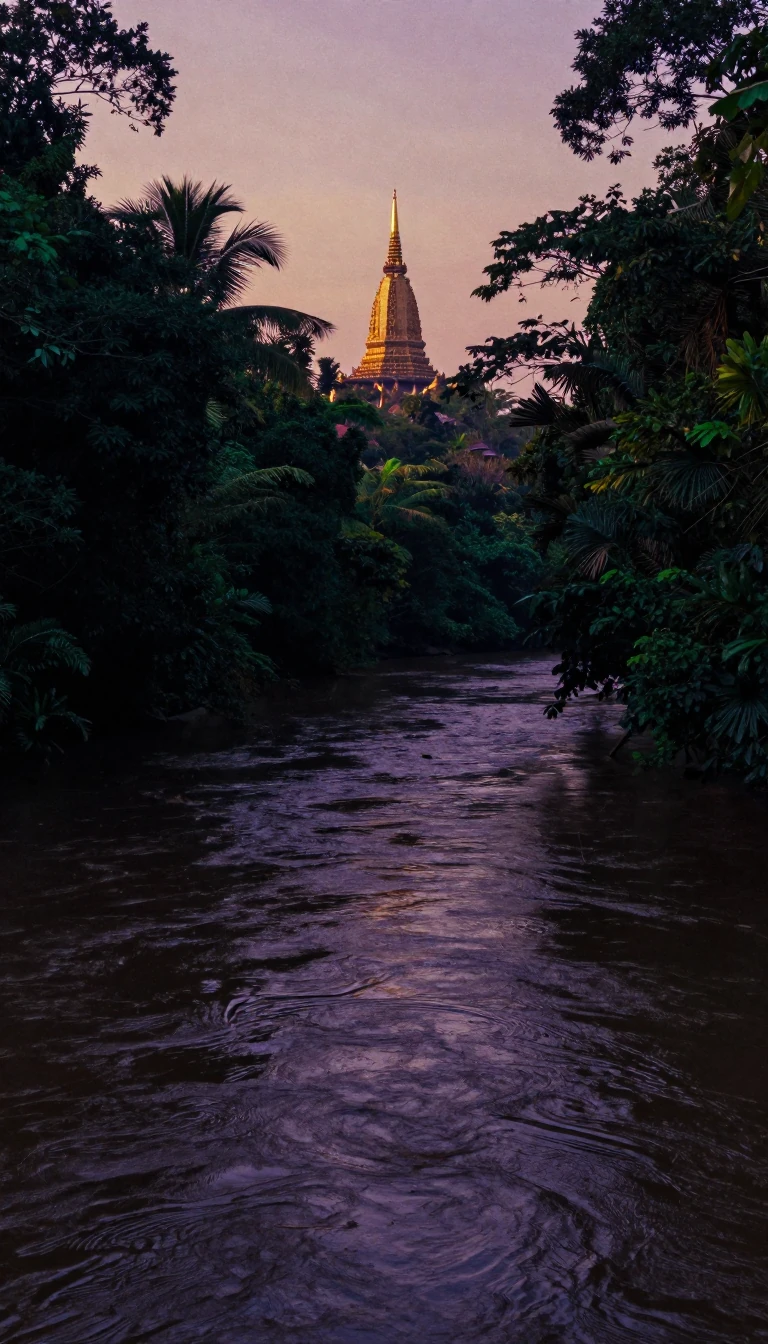
In short: Rising from the hills of the Western Ghats, the Hoysala dynasty transformed from local hill-dwelling chieftains into the masters of southern India. Their ascent was marked by intricate temple architecture and a fierce, centuries-long struggle for power against the Cholas, Chalukyas, and Yadavas that reshaped the medieval political landscape.
The Hoysala dynasty ruled the southern Deccan from approximately 1006 to 1346 CE. Their origins are rooted in the Malnad region of Karnataka, where they initially served as feudatories to the Western Chalukyas of Kalyani. Early leaders like Nripa Kama I, active around 976 CE, established the family's presence before the capital was moved to Dorasamudra, or modern-day Halebid, around 1060 CE. The dynasty's rise was defined by a combination of strategic military service and opportunistic expansion as the power of their overlords waned.
King Vishnuvardhana, who reigned from approximately 1110 to 1141, was a pivotal figure in this transformation. By expelling the Cholas from the plateau and securing territory from the Kadambas, he established the Hoysalas as a formidable independent force. His grandson, Ballala II, further expanded the kingdom's reach, defeating the Yadavas and intervening in regional conflicts to become a dominant power. By the 13th century, the Hoysalas had extended their influence deep into Tamil territory, with rulers like Someshvara and Ramanatha managing complex relationships with the Chola and Pandya empires.
Beyond their military exploits, the Hoysalas are celebrated for their profound cultural contributions. They were prolific patrons of Kannada and Sanskrit literature, fostering an environment where Jain and Brahmin poets thrived. Their architectural legacy is equally significant, characterized by ornate, intricate stone carvings found in temples at Belur, Halebid, and Somnathpur. While the dynasty eventually declined under the ambitions of Ballala III in the 14th century, their influence paved the way for the subsequent rise of the Vijayanagar empire, leaving behind a lasting imprint on the artistic and political heritage of South India.
Opens the Intellect+ feed with this card first. Swipe up for the next one.
Sources
- Summary by Intellect · source: Hoysala dynasty | Karnataka, South India, Temples | Britannica
- Also: Hoysala Kingdom
To cite this card, link to https://intellectplus.co.uk/app/history-hoysala-kingdom.
How we source, check and correct cards: Editorial standards.
General information, not professional advice. Spotted an error? Flag the card or see corrections and complaints.
Intellect Plus is a visual educational discovery platform for exploring fascinating facts and ideas. Brain Food, Not Brain Rot. What is Intellect Plus?
Related
More in Post-classical · More in History · Latest · A–Z · All topics
