Was Aztec human sacrifice a religious duty or a tool of political propaganda?
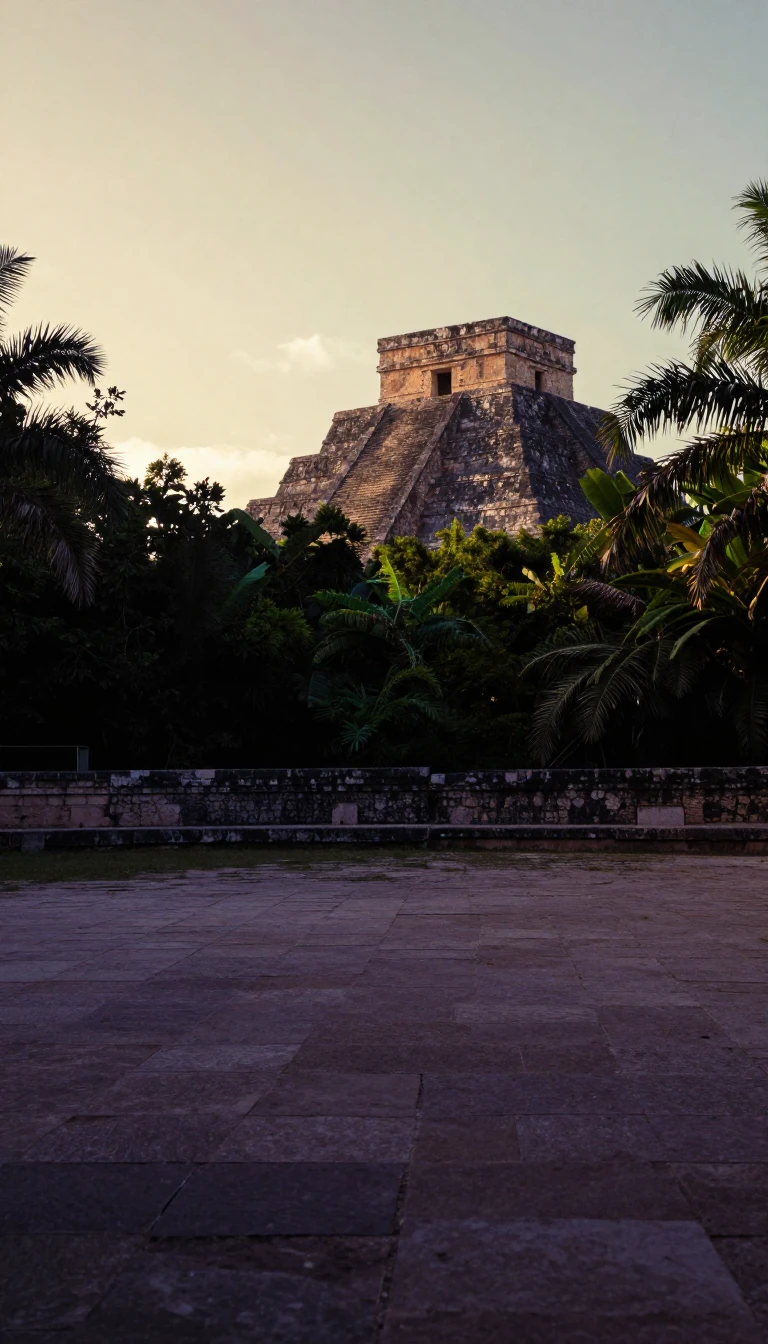
In short: For centuries, accounts of Aztec human sacrifice have painted a picture of mass slaughter. Yet, modern archaeology and critical historical analysis suggest these numbers were heavily inflated. Was this ritual violence a sincere attempt to sustain the universe, or a calculated narrative used by both sides to project power?
Human sacrifice was deeply embedded in the Aztec worldview, functioning as a form of nextlahualli, or debt-payment, to the gods. Central to this belief was the idea that the universe required constant sustenance, which the gods provided through their own primordial sacrifices. In return, the Aztecs offered their own lives and resources to maintain the cosmic order. This practice was not unique to the Aztecs; it was a long-standing Mesoamerican tradition, with evidence dating back to the Olmecs between 1200 and 400 BC.
The scale of these rituals remains a subject of intense academic debate. Spanish conquistadors and friars, such as Bernal Díaz del Castillo and Bernardino de Sahagún, produced reports that often cited staggering figures, such as 80,400 victims during the 1487 re-consecration of the Great Pyramid of Tenochtitlan. However, scholars like Ross Hassig and Leonardo López Luján argue these numbers were likely exaggerated. Spanish chroniclers may have inflated the figures to justify the conquest, while Indigenous writers might have done so to emphasize the might of their ancestors. Recent archaeological findings, such as the 603 skulls identified at the Hueyi Tzompantli by 2020, suggest a reality far smaller than the tens of thousands often claimed.
The rituals themselves were highly structured, often involving heart-extraction on a stone slab called a chacmool. Victims were not always captives; they included slaves, and in some cases, children of noble lineage offered by their parents. Different deities demanded different forms of sacrifice, from gladiatorial combat for Tezcatlipoca to the ritual shedding of tears for the rain god Tlaloc. While some theories suggest sacrifice provided necessary protein in a region lacking large livestock, most scholars view it as a complex religious performance intended to ensure the survival of the world, rather than a mere survival mechanism.
Opens the Intellect+ feed with this card first. Swipe up for the next one.
Sources
- Summary by Intellect · source: Human sacrifice in Aztec culture
To cite this card, link to https://intellectplus.co.uk/app/history-human-sacrifice-in-aztec-culture.
How we source, check and correct cards: Editorial standards.
General information, not professional advice. Spotted an error? Flag the card or see corrections and complaints.
Intellect Plus is a visual educational discovery platform for exploring fascinating facts and ideas. Brain Food, Not Brain Rot. What is Intellect Plus?
Related
More in Empires & civilisations · More in History · Latest · A–Z · All topics
