Why the most famous speech in American history was almost never delivered
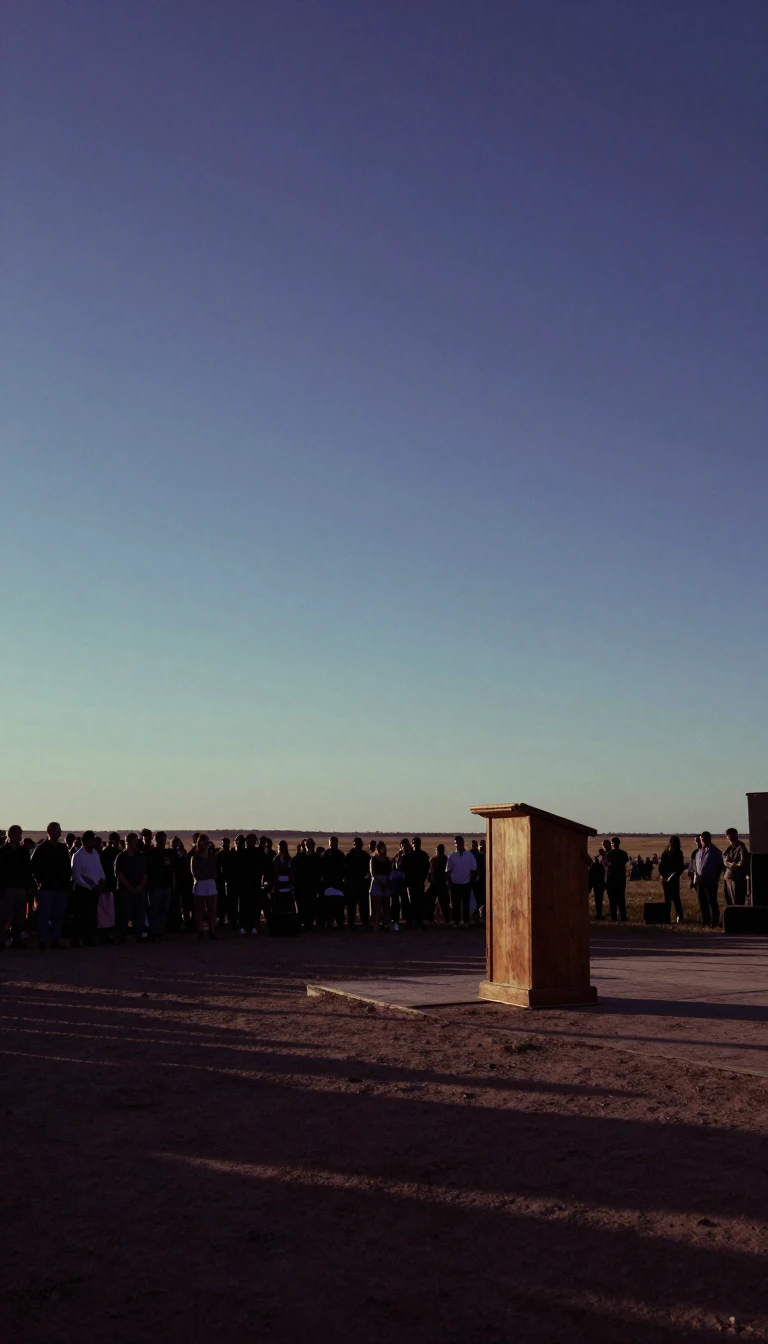
In short: Martin Luther King Jr. arrived at the 1963 demonstration without a finalized script. While he had been refining the dream motif for years, the iconic peroration was an improvised departure from his notes, spurred by a shout from gospel singer Mahalia Jackson as he stood before the Lincoln Memorial.
The address delivered on August 28, 1963, was an amalgamation of several drafts, originally titled Normalcy, Never Again. By the evening of August 27, just twelve hours before the event, King still lacked a definitive plan for his remarks. His team, including Clarence Benjamin Jones and Stanley Levison, had been so preoccupied with the logistical burdens of the protest that the speech itself was not a primary focus.
King’s eventual delivery was a masterclass in rhetorical synthesis. He drew upon the cadences of the Bible, the imagery of the Gettysburg Address, and the patriotic language of the hymn America. The famous refrain had appeared in earlier iterations, including a 1962 address in North Carolina and a June 1963 event in Detroit. Yet, it was the spontaneous energy of the Washington moment that cemented its legacy. As King spoke, he shifted from his prepared text into a sermon-like improvisation, prompted by Mahalia Jackson’s encouragement to tell the audience about the dream.
The speech was not universally celebrated at the time. While contemporary observers and the Kennedy administration viewed it as a triumph of managed protest, some activists, including Malcolm X, criticized the event as too compromising. Meanwhile, the FBI viewed the speech as evidence of King’s dangerous influence, leading to an expansion of surveillance against him. Despite these tensions, the speech was later recognized as a defining moment of the era, eventually being added to the National Recording Registry in 2002.
The original typewritten manuscript, which King handed to security volunteer George Raveling immediately after the event, remains a significant historical artifact. While the speech was widely lauded, its copyright status remained a subject of legal contention until a 1999 settlement. Today, the text stands as a testament to King’s ability to weave secular American mythology with spiritual urgency, creating a prophetic voice that continues to resonate across generations.
Opens the Intellect+ feed with this card first. Swipe up for the next one.
Sources
- Summary by Intellect · source: I Have a Dream
To cite this card, link to https://intellectplus.co.uk/app/history-i-have-a-dream.
How we source, check and correct cards: Editorial standards.
General information, not professional advice. Spotted an error? Flag the card or see corrections and complaints.
Intellect Plus is a visual educational discovery platform for exploring fascinating facts and ideas. Brain Food, Not Brain Rot. What is Intellect Plus?
Related
More in Contemporary (1945-) · More in History · Latest · A–Z · All topics
