The Iron Curtain was not just a metaphor, but a 1,381-kilometre physical barrier.
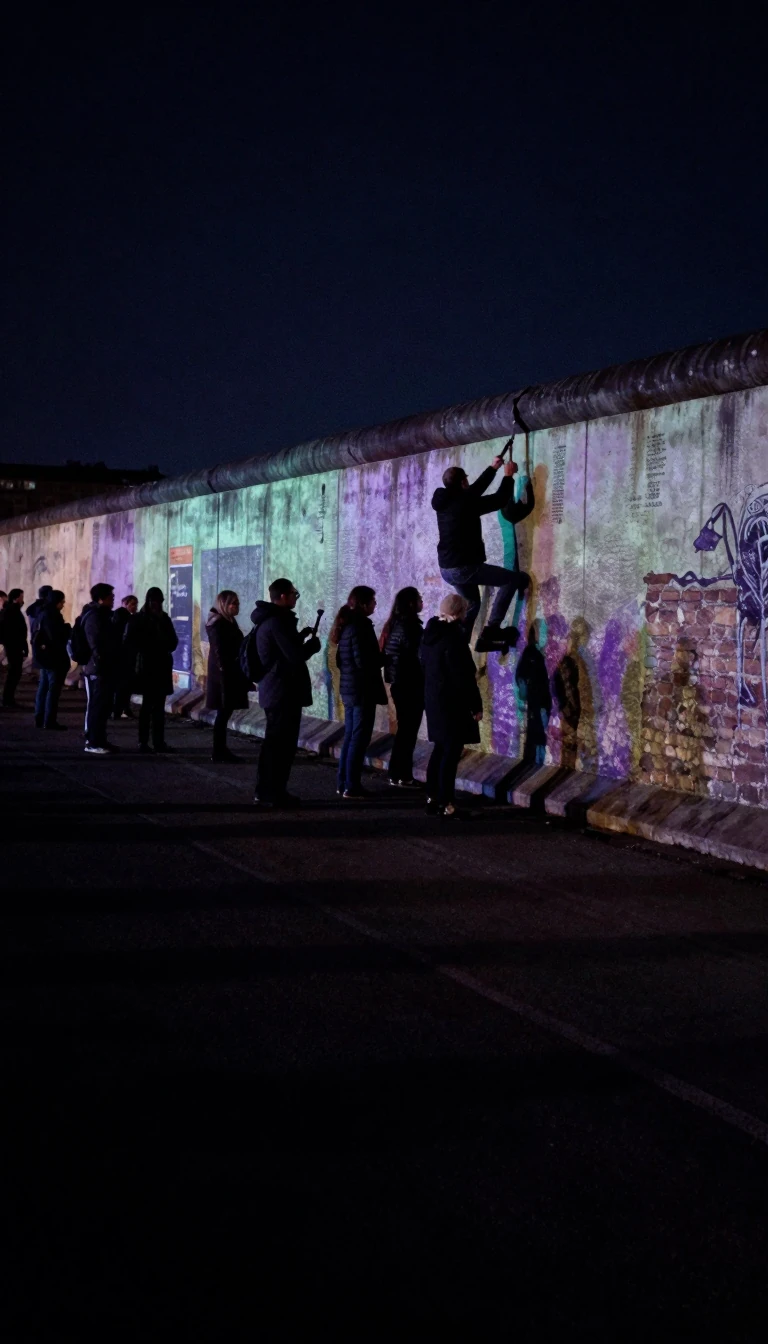
In short: For 45 years, a lethal, heavily fortified frontier sliced through Germany. It was designed to stop citizens from fleeing the East, turning a national boundary into a landscape of minefields, watchtowers, and high-tech surveillance. This was the physical manifestation of the Cold War, separating two worlds until its sudden collapse.
Established in 1945 following the Potsdam Agreement, the inner German border initially served as a boundary between Allied occupation zones. As relations between the Soviet Union and the Western Allies deteriorated, the border transformed from a simple demarcation line into one of the world's most sophisticated security systems. By the 1980s, the East German government had constructed a multi-layered barrier featuring signal fences, anti-vehicle ditches, and nearly 700 watchtowers. This system was not merely a wall; it was a complex, lethal apparatus designed to prevent Republikflucht, or the flight of citizens to the West.
The human cost of this division was immense. To maintain the border, the East German state forcibly resettled over 8,300 civilians in 'Operation Vermin' and imposed draconian restrictions on those living in the restricted zones. The economic impact was equally severe, as towns were severed from their hinterlands and infrastructure fell into decay. Despite the danger, the incentive to escape remained high; between 1949 and 1961 alone, an estimated 3.5 million people emigrated to the West. The border's lethality was underscored by the installation of 1.3 million landmines and thousands of directional shrapnel charges, which were only removed in 1984 following international outcry.
The border's existence ended as abruptly as it had been fortified. Following the political upheaval of Die Wende, the government announced the opening of the border on 9 November 1989. By 1 July 1990, the physical barriers were largely abandoned, exactly 45 years after their inception. Today, the former route of this 'Iron Curtain' has been repurposed as the European Green Belt, a nature reserve that links national parks across the continent. While little remains of the fortifications, the site serves as a stark reminder of a nation once divided by ideology and steel.
Opens the Intellect+ feed with this card first. Swipe up for the next one.
Sources
- Summary by Intellect · source: Inner German border
To cite this card, link to https://intellectplus.co.uk/app/history-inner-german-border.
How we source, check and correct cards: Editorial standards.
General information, not professional advice. Spotted an error? Flag the card or see corrections and complaints.
Intellect Plus is a visual educational discovery platform for exploring fascinating facts and ideas. Brain Food, Not Brain Rot. What is Intellect Plus?
Related
More in Contemporary (1945-) · More in History · Latest · A–Z · All topics
