Why this ancient blue pigment became the most valuable commodity in human history
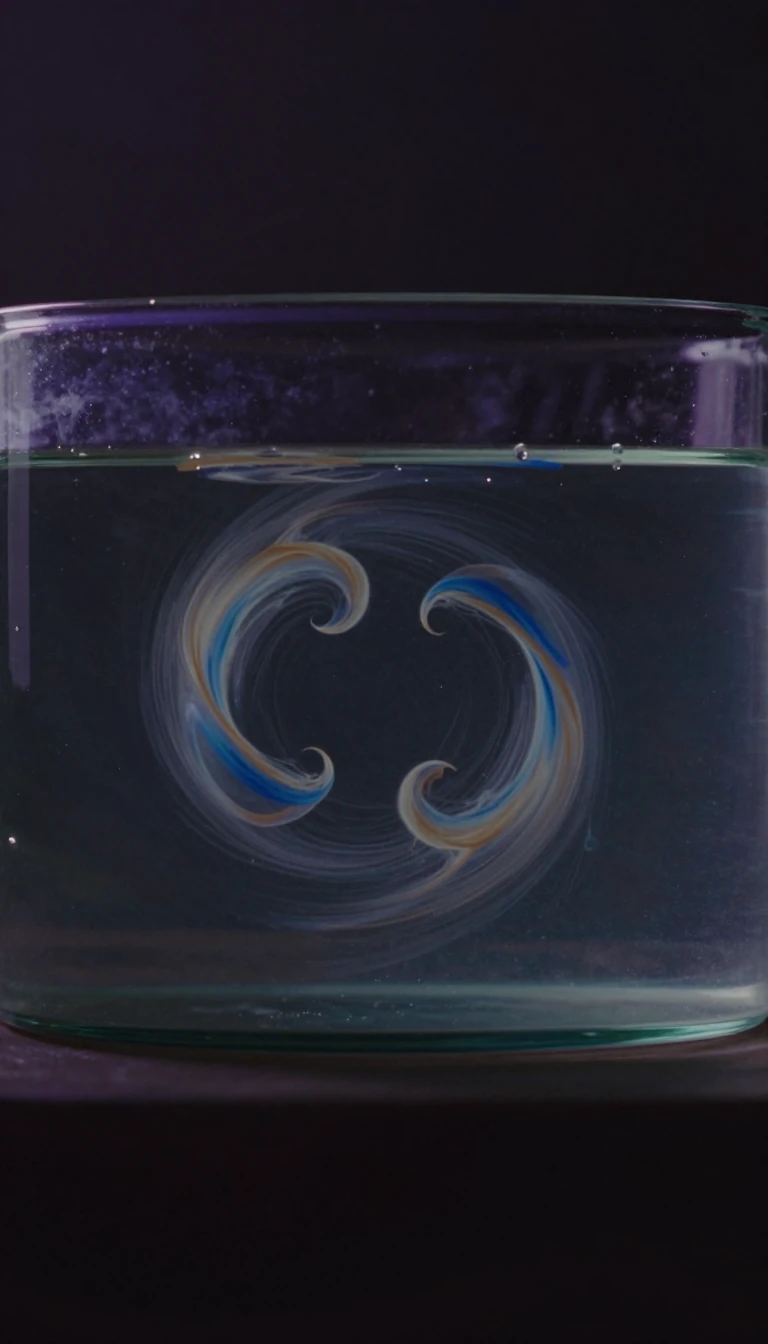
In short: Known as blue gold, indigo was once a rare luxury that defined global trade and sparked colonial revolts. This organic compound, derived from plants or sea snails, requires complex chemical manipulation to bond with fabric. Today, synthetic versions dominate, yet the history of this deep blue remains etched in culture.
Indigo is an organic compound with a distinctive blue color, historically sourced from plants in the Indigofera genus or mollusks like the Murex sea snail. Because indigo is insoluble in water, it cannot be applied directly to fabric like other dyes. Instead, it must undergo a chemical reduction process to become leucoindigo, or white indigo. Once the fabric is removed from the dye vat and exposed to atmospheric oxygen, the compound oxidizes, reverting to its insoluble, intensely colored blue state. This unique property allows for repeated dyeing to achieve various shades.
The dye has been used for at least 6,000 years, with the oldest known fabric discovered in Peru. In antiquity, it was a luxury item traded across the Mediterranean, with India serving as a primary production center. The name itself derives from the Greek 'indikón', meaning Indian. By the 19th century, indigo was so economically vital that 7,000 square kilometers were dedicated to its cultivation in India alone. This demand fueled plantation economies in the Americas, often relying on the labor of enslaved people, and eventually triggered the 1859 Indigo revolt in Bengal against exploitative merchant practices.
The industrialization of indigo began in the late 19th century. German chemists, including Adolf von Baeyer, sought a synthetic route to replace the expensive and labor-intensive plant-based production. By 1897, BASF successfully launched an economically viable industrial process using aniline. This shift was dramatic: while 19,000 tons of indigo were produced from plants in 1897, that figure plummeted to 1,000 tons by 1914. Today, synthetic indigo is the backbone of the global denim industry, with approximately 80,000 tons produced annually for blue jeans and other textiles.
Opens the Intellect+ feed with this card first. Swipe up for the next one.
Sources
- Summary by Intellect · source: Indigo dye
To cite this card, link to https://intellectplus.co.uk/app/history-indigo-dye.
How we source, check and correct cards: Editorial standards.
General information, not professional advice. Spotted an error? Flag the card or see corrections and complaints.
Intellect Plus is a visual educational discovery platform for exploring fascinating facts and ideas. Brain Food, Not Brain Rot. What is Intellect Plus?
Related
More in Ancient · More in History · Latest · A–Z · All topics
