The tragic, ice-locked end of the most disastrous expedition in British polar history.
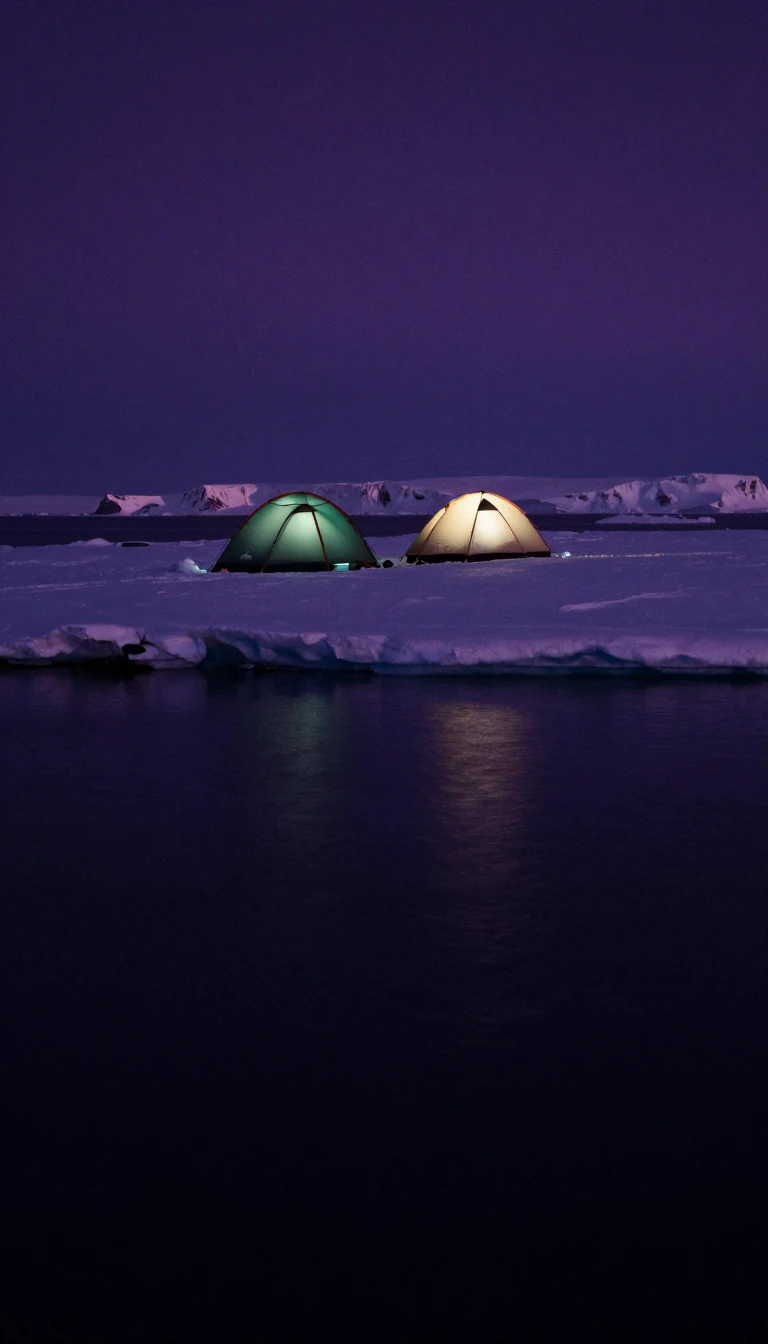
In short: In 1845, Sir John Franklin set sail with 128 men to find the Northwest Passage. They never returned. For over a century, their fate remained a mystery, marked by starvation, lead poisoning, and the haunting discovery of two remarkably preserved ships trapped deep within the Arctic ice.
Sir John Franklin’s final expedition remains the most catastrophic event in British polar exploration. Departing England on May 19, 1845, aboard HMS Erebus and HMS Terror, the crew aimed to navigate the Northwest Passage. By late July, they were last sighted by whalers near Lancaster Sound. After ascending the Wellington Channel, the ships wintered at Beechey Island before becoming permanently trapped in the ice off King William Island in September 1846.
Franklin died on June 11, 1847, while his ships were still gripped by ice. By April 1848, 23 others had also perished. The remaining 105 survivors abandoned the vessels on April 22, 1848, attempting a desperate trek toward the Back River. Accounts from local Inuit people and later archaeological findings suggest the men succumbed to starvation, hypothermia, and scurvy, with evidence pointing to cannibalism as the group’s final, grim resort.
The mystery of the expedition’s location persisted until 2014, when sonar images identified the wreck of the Erebus. Two years later, the Terror was discovered in Terror Bay. Contrary to long-held theories that the ship had been crushed by ice, the Terror was found remarkably intact with its hatches battened down, suggesting the crew had meticulously prepared the vessel for winter before their final, fatal departure. Modern postmortems on recovered remains indicate that lead poisoning from faulty tinned food, alongside scurvy and botulism, likely crippled the crew’s physical and mental capacity long before the end.
Franklin’s legacy is complex. While he never proved the existence of the Northwest Passage, his earlier overland expeditions added roughly 1,200 miles of knowledge to the North American coastline. His life was defined by a relentless pursuit of discovery, from his early service under Matthew Flinders to his governorship of Van Diemen’s Land. Ultimately, the Franklin expedition serves as a sobering reminder of the unforgiving nature of the Arctic and the limits of nineteenth-century exploration.
Opens the Intellect+ feed with this card first. Swipe up for the next one.
Sources
- Summary by Intellect · source: What happened to the crew of Erebus and Terror?
- Also: Sir John Franklin | Biography, Death, Erebus, & Terror | Britannica
- Also: John Franklin
To cite this card, link to https://intellectplus.co.uk/app/history-john-franklin.
How we source, check and correct cards: Editorial standards.
General information, not professional advice. Spotted an error? Flag the card or see corrections and complaints.
Intellect Plus is a visual educational discovery platform for exploring fascinating facts and ideas. Brain Food, Not Brain Rot. What is Intellect Plus?
Related
More in Explorers · More in History · Latest · A–Z · All topics
