How a nineteenth-century American lawyer rediscovered the lost cities of the Maya civilization
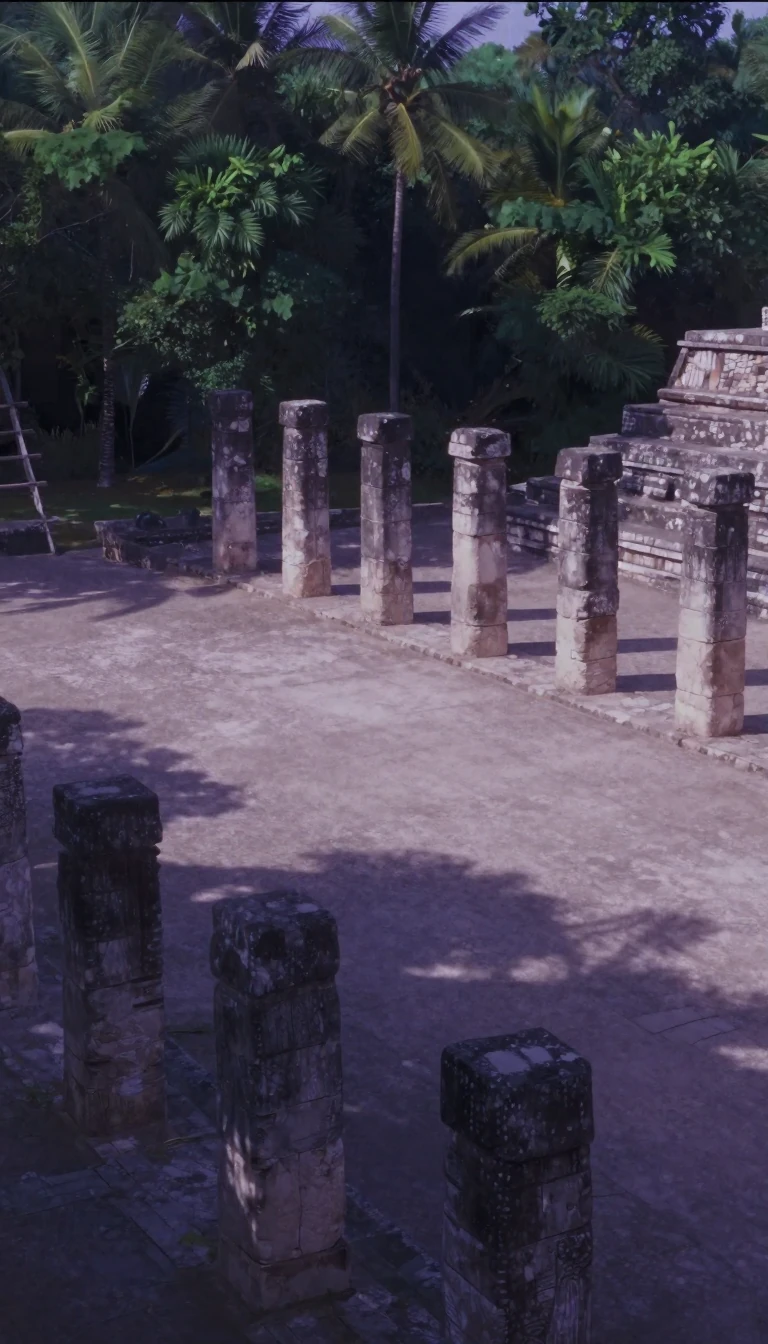
In short: John Lloyd Stephens was a diplomat and explorer who transformed our understanding of pre-Columbian history. Alongside architect Frederick Catherwood, he documented dozens of ancient Mayan sites, proving that indigenous people—not mysterious foreign travelers—built the sophisticated cities that had long been hidden within the dense Central American jungles.
Born in 1805, John Lloyd Stephens was a polymath who transitioned from a legal career in New York to international exploration. In 1839, President Martin Van Buren appointed him Special Ambassador to Central America, a role that placed him in the region just as the Federal Republic of Central America was collapsing into civil war. During this period, Stephens and his companion, Frederick Catherwood, began an ambitious survey of ancient ruins, starting with the site of Copán, which Stephens famously attempted to purchase for $50.
The duo’s findings were revolutionary. Through Catherwood’s detailed lithographs and Stephens’s written accounts, they documented 44 Mayan sites, including Chichen Itza, Uxmal, and Palenque. At the time, many scholars theorized that these monumental stone structures must have been the work of European or Asian civilizations. Stephens and Catherwood argued against this, providing evidence that the Maya themselves were the architects of these complex urban centers, which featured advanced sculptures, frescoes, and bas-reliefs.
Stephens’s influence extended far beyond archaeology. He was a key figure in nineteenth-century infrastructure, founding the Panama Railroad Company in 1849 to facilitate travel during the California gold rush. His dedication to the project was absolute; he was the only founder to spend significant time in the jungle overseeing construction. While traveling to Bogotá to manage the railroad’s development, he suffered a severe mule accident and later contracted malaria. He died in 1852, leaving behind a legacy that bridged the gap between ancient history and the modern industrial age.
Opens the Intellect+ feed with this card first. Swipe up for the next one.
Sources
- Summary by Intellect · source: John Lloyd Stephens
To cite this card, link to https://intellectplus.co.uk/app/history-john-lloyd-stephens.
How we source, check and correct cards: Editorial standards.
General information, not professional advice. Spotted an error? Flag the card or see corrections and complaints.
Intellect Plus is a visual educational discovery platform for exploring fascinating facts and ideas. Brain Food, Not Brain Rot. What is Intellect Plus?
Related
More in Explorers · More in History · Latest · A–Z · All topics
