Was the legendary Egyptian Labyrinth a palace, a temple, or an administrative hub?
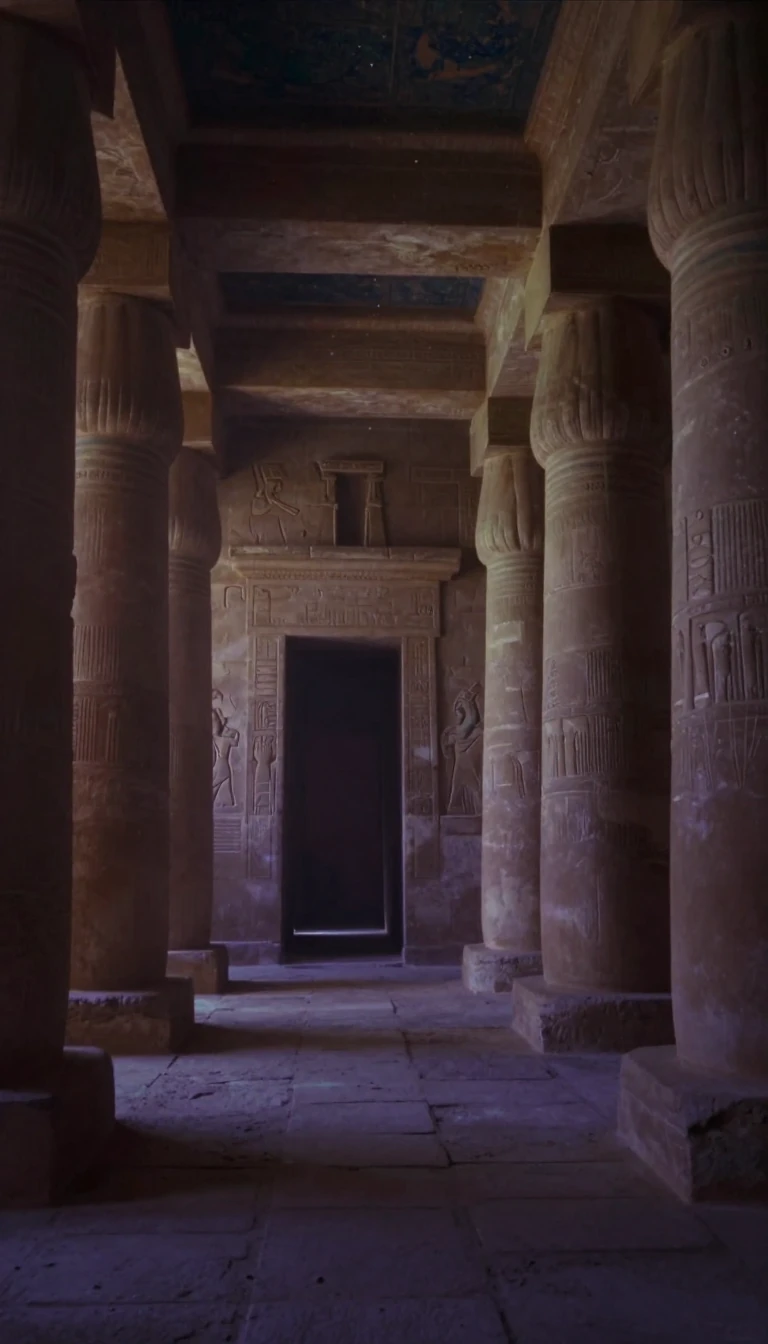
In short: Ancient visitors were so baffled by the sprawling, complex layout of the structure at Hawara that they compared it to the mythical Cretan labyrinth of Minos. Though its true purpose remains shrouded in mystery, modern technology is finally beginning to peel back the layers of this enigmatic Egyptian site.
Located south of the pyramid of Amenemhat III at Hawara, the Labyrinth of Egypt stands as one of the most intriguing architectural puzzles of the ancient world. While classical observers were struck by its disorienting, maze-like design, historians today suggest it was likely a multifunctional facility. Rather than serving a singular religious function, the site probably operated as a sophisticated hub, potentially housing a palace, a town, and an administrative centre for the region.
The site has long captivated the historical imagination, drawing interest from antiquity to the present day. Recent archaeological efforts have successfully recovered artifacts spanning from the reign of Amenemhat III deep into the Roman era, providing a glimpse into the site's long-term utility. These discoveries suggest that the structure was not merely a static monument but a dynamic space that evolved alongside the shifting needs of Egyptian society over centuries.
In recent years, researchers have turned to advanced geophysical imaging to map the Labyrinth without disturbing the ground. These non-invasive techniques are vital for understanding the site's footprint, yet they face significant environmental challenges. A high local water table currently threatens the preservation of the remaining ruins and complicates ongoing efforts to conduct further research. As water levels fluctuate, the window to fully document this architectural marvel may be narrowing, leaving much of its true nature hidden beneath the surface.
The Labyrinth remains a subject of intense debate, primarily because so little of its original function can be definitively proven. While the comparison to the legend of Knossos highlights its overwhelming scale and complexity, it also underscores how little we truly understand about its internal organization. Whether it was a seat of government or a sacred temple, the Labyrinth continues to challenge our perception of ancient Egyptian urban planning and structural design.
Opens the Intellect+ feed with this card first. Swipe up for the next one.
Sources
- Summary by Intellect · source: Labyrinth of Egypt
To cite this card, link to https://intellectplus.co.uk/app/history-labyrinth-of-egypt.
How we source, check and correct cards: Editorial standards.
General information, not professional advice. Spotted an error? Flag the card or see corrections and complaints.
Intellect Plus is a visual educational discovery platform for exploring fascinating facts and ideas. Brain Food, Not Brain Rot. What is Intellect Plus?
Related
More in Empires & civilisations · More in History · Latest · A–Z · All topics
