A hostess who shaped the Bloomsbury world from her own drawing rooms
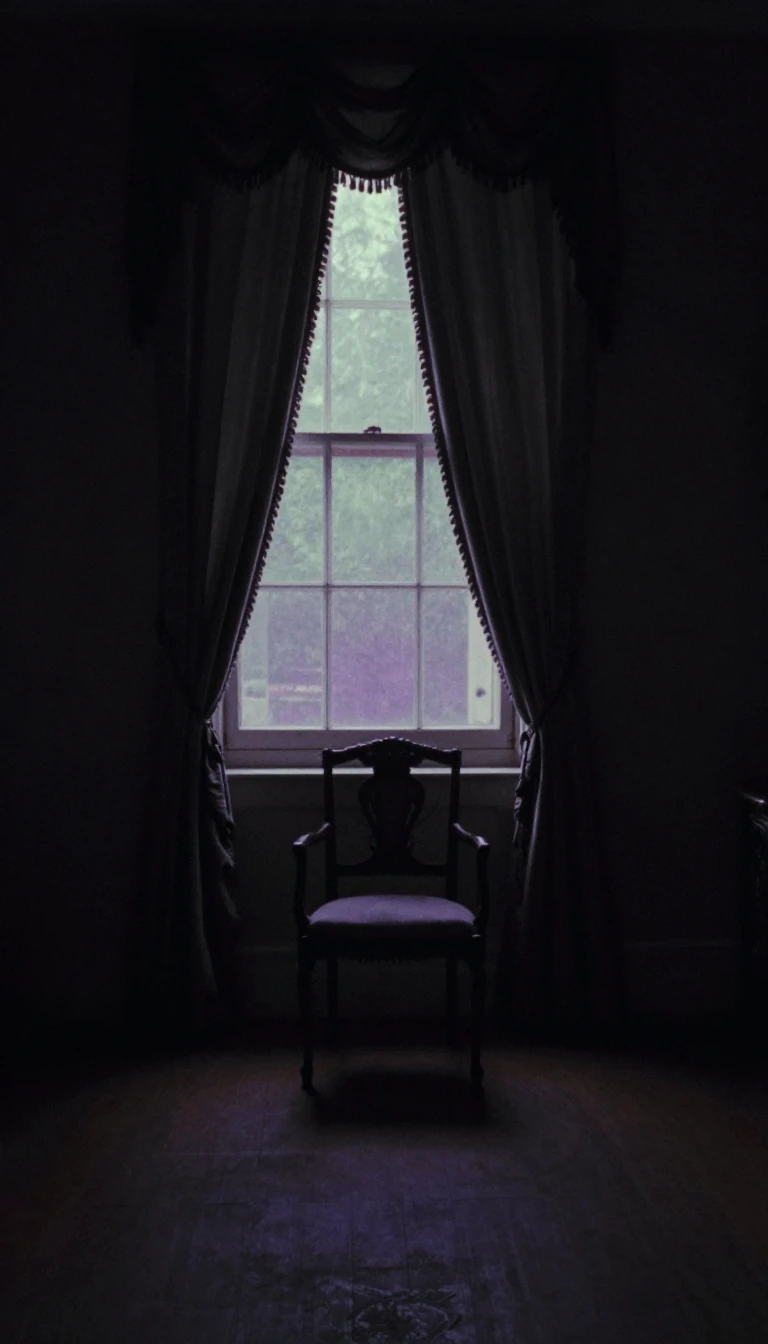
In short: Lady Ottoline Morrell was an aristocrat who opened her homes to writers, painters and poets. Her circle included D. H. Lawrence, Virginia Woolf and Bertrand Russell. She often spotted talent early and helped it along. Her generosity was real, but her finances were not what her guests assumed.
Lady Ottoline Violet Anne Morrell was born in 1873 into an aristocratic family. Her father was a lieutenant-general, and she was the only daughter of his second marriage. Her brother later became the sixth Duke of Portland, and as a duke's sister she received the courtesy title of Lady Ottoline. Her early life was lonely and strict. She was taught by a governess, spent long stretches of her youth alone with her mother, and developed a serious interest in religion. Her later rebellion against that background shaped much of what followed. At Oxford she met Philip Morrell, a future Liberal Member of Parliament. The two shared a love of art and a wish to break free from conservative families, and they married in 1902. Their marriage was open, and Ottoline took a number of lovers, including the philosopher Bertrand Russell, with whom she corresponded extensively. Her striking appearance, with tall stature, bright red hair and theatrical dress, matched her unconventional personality. Her real importance lay in patronage and hospitality.
From 1906 she moved within the Bloomsbury Group and took a close interest in young artists such as Dora Carrington, Stanley Spencer and Mark Gertler. In 1915 the couple bought Garsington Manor, where she showed her skill in garden design and welcomed pacifists and conscientious objectors during the First World War. Her guests included Siegfried Sassoon, Duncan Grant and Lytton Strachey, and the house became a centre of artistic life. She also helped found the Contemporary Art Society in 1909 and supported it for the rest of her life. Her hospitality hid real financial strain. Many guests assumed she was wealthy, but in 1928 the couple were forced to give up Garsington and move to more modest rooms in London. Her legacy is mixed. Lawrence, Huxley and others drew on her as a model for characters, sometimes unkindly, and she never forgave Huxley for his caricature. Her own journals remain unpublished, and historians still debate how much her circle owed to her, and how much to the people she supported.
Her influence is often described through the people she gathered rather than through works of her own. Her papers, letters and wardrobe survive in archives in Texas and Bath, and biographies continue to reassess her role. Understanding her shows how private patronage could shape public culture in the early twentieth century.
Opens the Intellect+ feed with this card first. Swipe up for the next one.
Sources
- Summary by Intellect · source: Lady Ottoline Morrell
- Also: Lady Ottoline Morrell | Socialite, Hostess, Arts Patron | Britannica
To cite this card, link to https://intellectplus.co.uk/app/history-lady-ottoline-morrell.
How we source, check and correct cards: Editorial standards.
General information, not professional advice. Spotted an error? Flag the card or see corrections and complaints.
Intellect Plus is a visual educational discovery platform for exploring fascinating facts and ideas. Brain Food, Not Brain Rot. What is Intellect Plus?
Related
More in History · Latest · A–Z · All topics
