Before the electric motor, factories were powered by a single rotating spine.
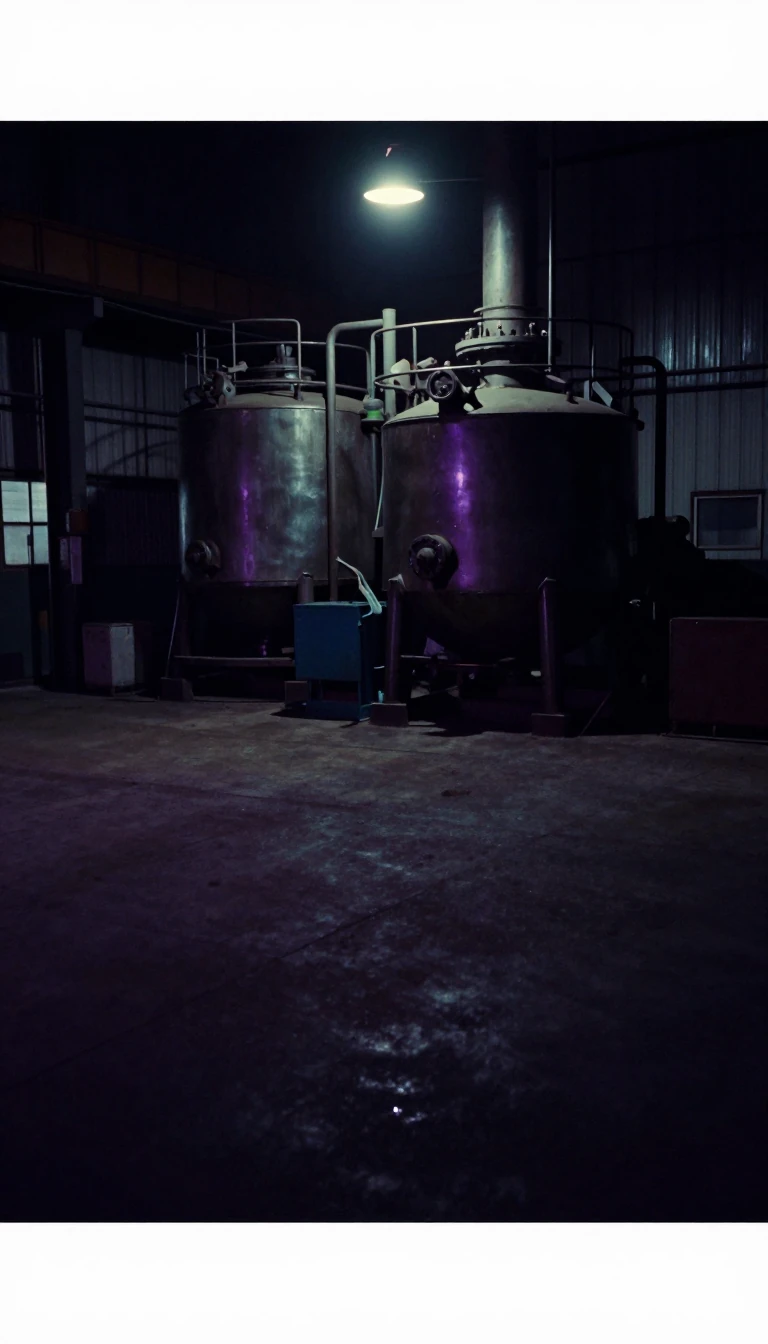
In short: Imagine a factory where every machine, from looms to lathes, is physically tethered to a single overhead shaft. This was the line shaft: a massive, rotating backbone of steel that distributed power via a web of leather belts and pulleys, defining the mechanical heartbeat of the Industrial Revolution.
From the 18th century through the early 20th century, the line shaft served as the primary method for industrial power distribution. A central source—such as a water wheel, steam engine, windmill, or even animal power—turned a main shaft. This power was then transmitted across the ceiling of a factory, branching out to individual machines through a complex system of 'millworks.' These systems used pulleys and belts to move energy, with varying pulley sizes allowing operators to adjust rotation speeds. For example, a 40-inch pulley turning at 100 rpm could drive a 20-inch pulley at 200 rpm.
The transition to this system was marked by key innovations. In 1828, Paul Moody in Lowell, Massachusetts, replaced metal gearing with leather belting to transfer power from a water wheel, a move that spread rapidly across the U.S. By the 1870s, flat-belt drives became popular in the UK. These belts, often made of tanned leather or rubber-impregnated cotton duck, were preferred for their lower noise levels and reduced energy waste compared to older gearing methods. However, these systems were far from perfect; they were often inefficient, with power losses typically reaching 25% or higher due to friction.
Despite their dominance, line shafts presented significant logistical hurdles. They occupied massive amounts of space—the Baldwin Locomotive Works estimated they required 40% more room than electric drives—and created hazardous environments by circulating dust through the belting. Furthermore, the physical layout of factories was dictated by the location of the shafts rather than the efficiency of the workflow. It wasn't until the early 1900s, when smaller, individual electric motors became viable, that the 'mass of belts' began to disappear, ushering in the era of decentralized, independent machine power.
While most systems were decommissioned by the mid-20th century, some remain as industrial fossils. Notable examples include the Queen Street Mill in Burnley, where a 500-horsepower steam engine still drives 600 looms via line shafting, and the National Slate Museum in Wales, which utilizes the largest working water wheel in mainland Britain to power its original equipment.
Opens the Intellect+ feed with this card first. Swipe up for the next one.
Sources
- Summary by Intellect · source: Line shaft
To cite this card, link to https://intellectplus.co.uk/app/history-line-shaft.
How we source, check and correct cards: Editorial standards.
General information, not professional advice. Spotted an error? Flag the card or see corrections and complaints.
Intellect Plus is a visual educational discovery platform for exploring fascinating facts and ideas. Brain Food, Not Brain Rot. What is Intellect Plus?
Related
More in Industrial Revolution · More in History · Latest · A–Z · All topics
