The industrial plant that built entire towns and then abandoned them
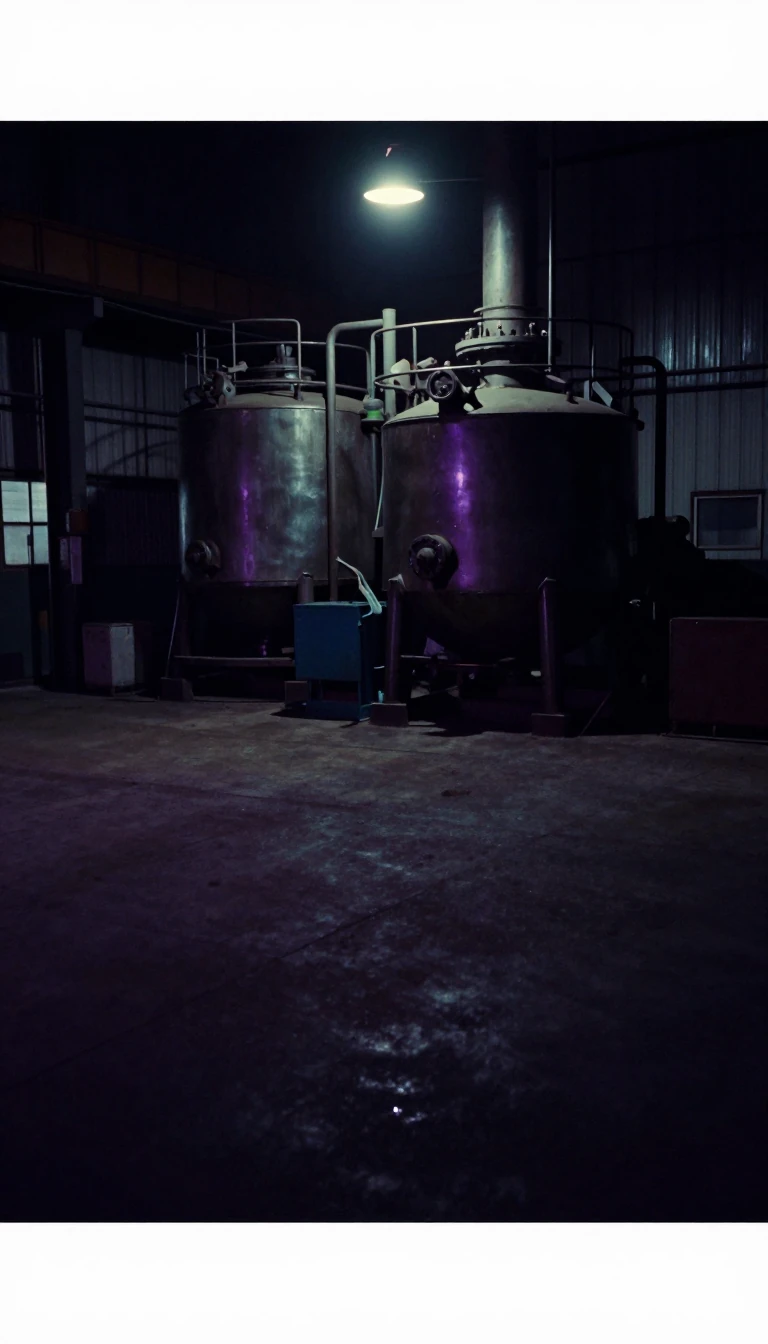
In short: Before the era of modern steelworks, the ironworks was the heartbeat of industrial civilization. These massive plants didn't just produce metal; they dictated the geography of human life, creating entire communities that flourished—and eventually withered—alongside the furnaces.
The term 'ironworks' serves as an omnibus for various industrial processes involving ferrous metallurgy, a field sometimes referred to by the Greek-derived term 'siderurgy.' Historically, these plants evolved from simple bloomeries, which used direct reduction to produce bar iron, to complex integrated systems. By the 19th century, a typical ironworks included blast furnaces for producing pig iron, alongside puddling furnaces or foundries for creating cast iron goods.
The transition from ironworks to steelworks was marked by technological leaps in decarburization. While older methods like finery forges used charcoal to refine pig iron into bar iron, the 1850s saw the rise of the Bessemer process. This, along with the Siemens-Martin open hearth furnace and the later electric arc furnace (introduced in 1907), allowed for the mass production of mild steel. Today, facilities using these converter processes are technically classified as steelworks, while 'ironworks' refers to the older traditions like puddling.
Beyond the chemistry, ironworks functioned as social anchors. Communities were often built specifically around these plants, with the local population entirely dependent on the works for both housing and employment. This symbiotic relationship meant that when the industry shifted or the works closed, these villages frequently suffered from rapid economic decline. From the Saugus Iron Works in Massachusetts to the Mon Valley Works in Pennsylvania, these sites represent the literal backbone of industrial history.
Modern production has moved into even more specialized realms, such as electrolytic smelting. Decarbonised iron is generated via a chromium/iron anode designed to withstand heat reaching 2,850 °F (1,570 °C). While these high-tech methods continue the legacy of the ironworks, they highlight the shift from manual blacksmithing—the true 'manufacture' of the industry—to the massive, automated scale of global steel production.
Opens the Intellect+ feed with this card first. Swipe up for the next one.
Sources
- Summary by Intellect · source: Ironworks
To cite this card, link to https://intellectplus.co.uk/app/history-ironworks.
How we source, check and correct cards: Editorial standards.
General information, not professional advice. Spotted an error? Flag the card or see corrections and complaints.
Intellect Plus is a visual educational discovery platform for exploring fascinating facts and ideas. Brain Food, Not Brain Rot. What is Intellect Plus?
Related
More in Industrial Revolution · More in History · Latest · A–Z · All topics
