How do we define an ongoing war when the world is constantly in flux?
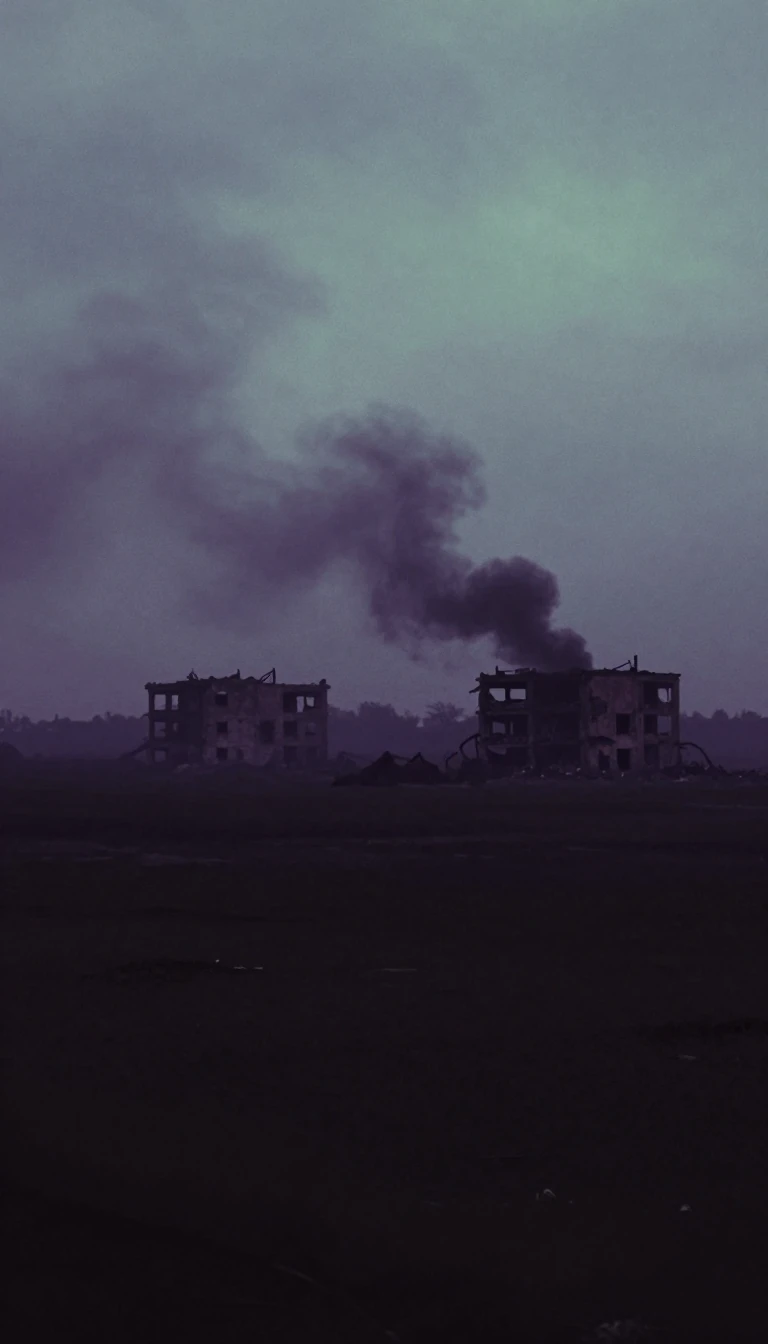
In short: Tracking global conflict is not just about counting casualties; it is a rigorous exercise in classification. By setting specific thresholds for fatalities and military involvement, researchers distinguish between isolated violence and systemic warfare. Understanding these metrics reveals how experts map the shifting landscape of global instability and organized armed force.
Defining an ongoing armed conflict requires strict criteria to separate systemic violence from criminal activity. At its core, an armed conflict involves the use of force between at least two organized groups, whether governmental or non-governmental. This definition encompasses interstate, intrastate, and non-state actors. Crucially, the classification excludes simple criminal gang violence unless there is significant military or paramilitary involvement, and it ignores territorial disputes or protests that lack systematic, state-sanctioned lethal force.
To maintain a consistent record, researchers rely on fatality thresholds. A conflict must have at least 100 cumulative deaths in total, with at least one death occurring in the current or previous calendar year. These figures include both battle-related deaths of soldiers and civilians, as well as civilians intentionally targeted by combatants. While direct violent deaths are the primary metric, cumulative totals may also incorporate excess deaths from famine, disease, or service disruption when such data is available.
The intensity of these conflicts is categorized into four tiers based on annual death tolls. Major wars are defined as those causing at least 10,000 direct, violent deaths per year. Minor wars, a designation used by the Uppsala Conflict Data Program, include conflicts with between 1,000 and 9,999 deaths. Below these are general conflicts (100–999 deaths) and skirmishes (fewer than 100 deaths). Because information is often incomplete in active zones, researchers frequently use plus symbols to indicate that fatality figures represent a minimum, rather than an exact, count.
This systematic approach is supported by various academic and policy institutions, such as the Center for Systemic Peace and the Uppsala Conflict Data Program. By standardizing how we track these events, these organizations provide a clearer picture of global security. However, the accuracy of these reports remains subject to the availability of information, making the study of ongoing conflict a dynamic and constantly evolving field of research.
Opens the Intellect+ feed with this card first. Swipe up for the next one.
Sources
- Summary by Intellect · source: List of ongoing armed conflicts
To cite this card, link to https://intellectplus.co.uk/app/history-list-of-ongoing-armed-conflicts.
How we source, check and correct cards: Editorial standards.
General information, not professional advice. Spotted an error? Flag the card or see corrections and complaints.
Intellect Plus is a visual educational discovery platform for exploring fascinating facts and ideas. Brain Food, Not Brain Rot. What is Intellect Plus?
Related
More in Early modern · More in History · Latest · A–Z · All topics
