How a Parisian street urchin transformed cooking into a rigorous art and science
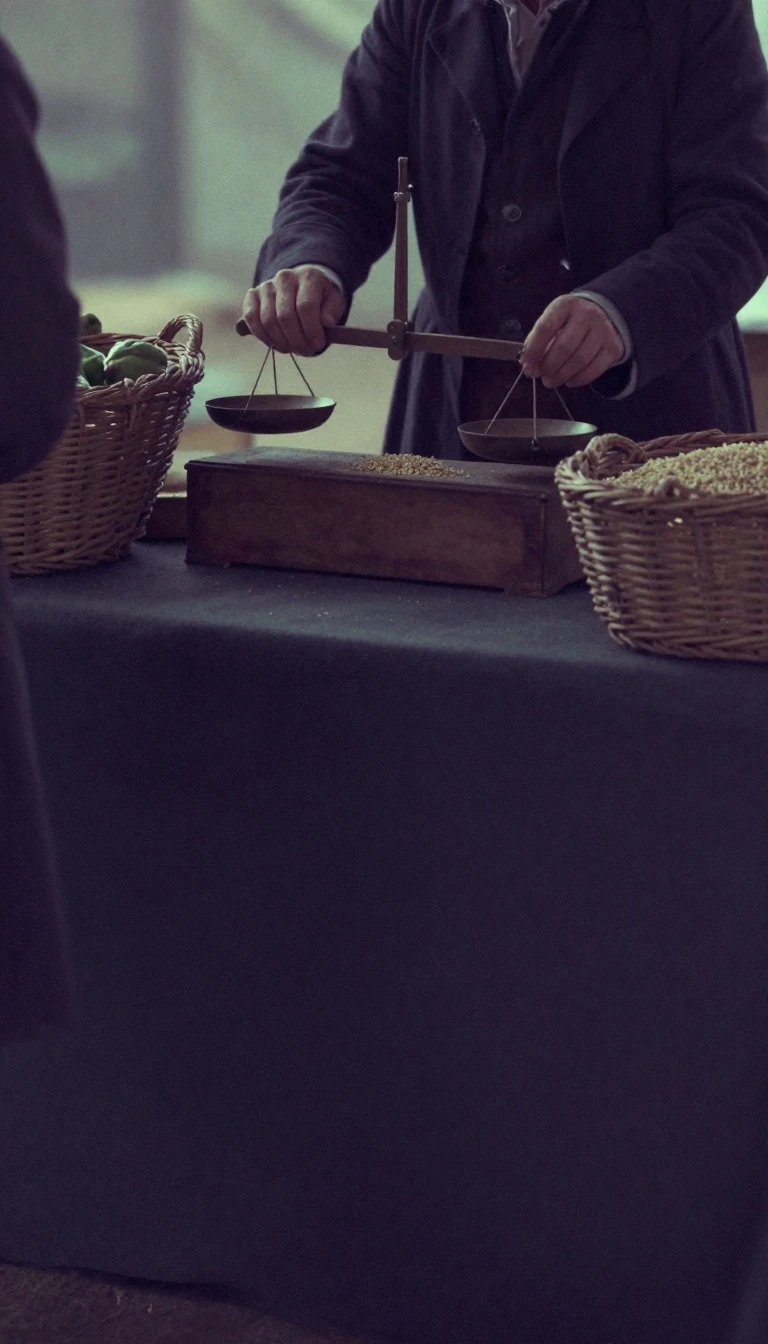
In short: Born into poverty during the French Revolution, Marie-Antoine Carême rose to become the architect of modern fine dining. By applying the principles of structural design to pastry and codifying the foundational sauces of French cuisine, he elevated the chef from a mere laborer to a master of high art.
Marie-Antoine Carême, often hailed as the founder of French gastronomy, emerged from a childhood of extreme hardship in Paris. His early life remains shrouded in mystery, with conflicting accounts of how he left his impoverished family to work in a modest restaurant. By 1798, however, he secured an apprenticeship at Sylvain Bailly’s prestigious patisserie, where he refined his skills in pastry and began his lifelong obsession with architecture.
Carême’s unique contribution to culinary history was his insistence that cooking should be treated as both a science and an art. He famously declared that the principal branch of the fine arts was confectionery. Drawing inspiration from the architectural volumes he studied at the royal library, he revived the tradition of pièces montées—elaborate, edible table decorations sculpted from sugar into the shapes of temples, pyramids, and pagodas. This structural approach extended to his savory cooking, where he codified the four essential mother sauces: béchamel, velouté, espagnole, and allemande.
His influence reached the highest echelons of European society, as he served as head chef to figures including Napoleon Bonaparte, Tsar Alexander I of Russia, and the British Prince Regent. Beyond his service to royalty, Carême was a prolific author. His lavishly illustrated cookbooks were designed to democratize grande cuisine, ensuring his techniques were accessible to other professionals. While his specific sauces were later streamlined by Auguste Escoffier, Carême’s foundational work established the professional standards for haute cuisine that defined the field until the mid-20th century.
The legacy of Carême is not merely in the dishes he created, such as the vol-au-vent, but in the intellectual framework he provided for the culinary arts. By moving away from the excessive, unorganized styles of the past, he helped transform the kitchen into a disciplined environment. His career bridged the gap between the aristocratic traditions of the Ancien Régime and the modern restaurant culture that flourished in post-revolutionary France, cementing his status as the king of chefs.
Opens the Intellect+ feed with this card first. Swipe up for the next one.
Sources
- Summary by Intellect · source: Marie-Antoine Carême | Gourmet Cuisine, Patisserie & Confectionery | Britannica
- Also: Marie-Antoine Carême
To cite this card, link to https://intellectplus.co.uk/app/history-marie-antoine-car-me.
How we source, check and correct cards: Editorial standards.
General information, not professional advice. Spotted an error? Flag the card or see corrections and complaints.
Intellect Plus is a visual educational discovery platform for exploring fascinating facts and ideas. Brain Food, Not Brain Rot. What is Intellect Plus?
Related
More in Chefs, bartenders and winemakers · More in History · Latest · A–Z · All topics
