From slaughterhouses to high-fashion: the radical metamorphosis of Manhattan's Meatpacking District
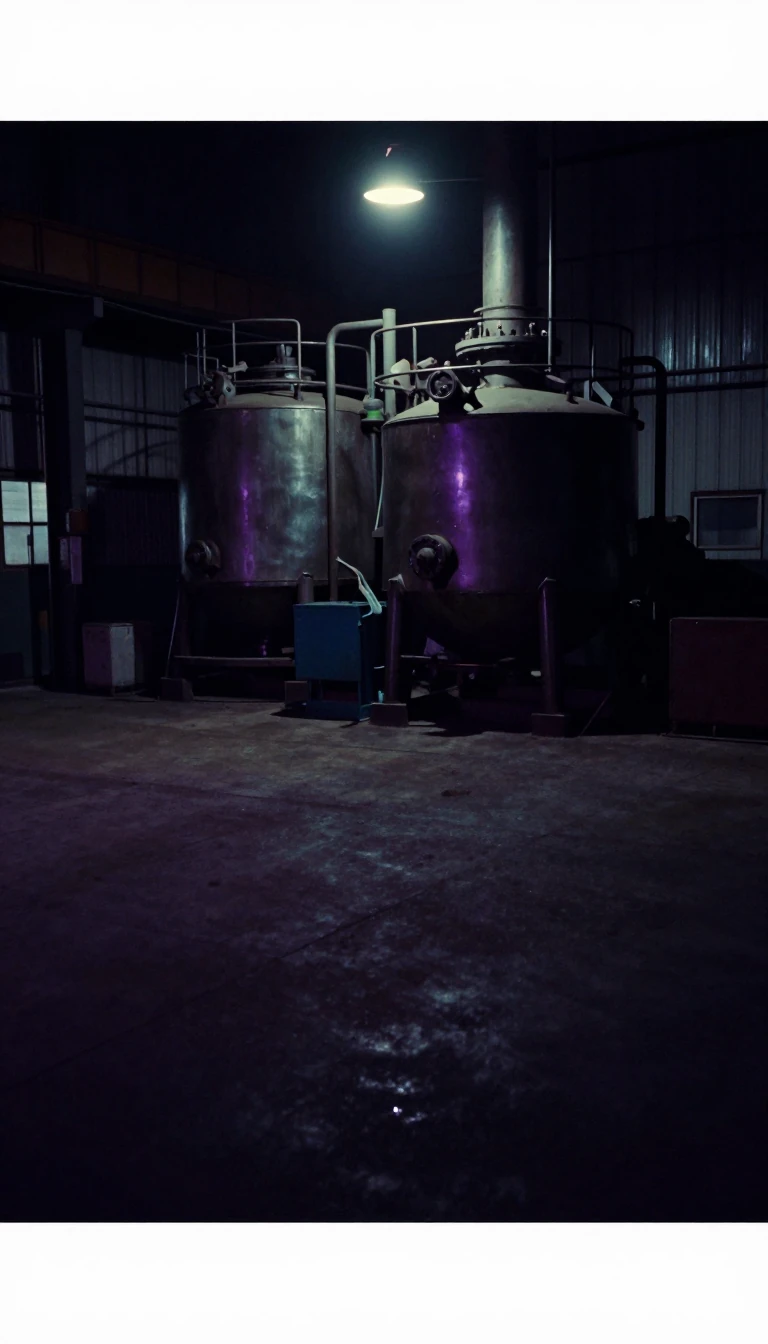
In short: Once a gritty industrial hub defined by 250 slaughterhouses and heavy machinery, Manhattan's Meatpacking District has undergone one of the most dramatic urban transformations in American history. It is a masterclass in how infrastructure, like elevated railroads and linear parks, can completely redefine a neighborhood's identity.
The district's identity was forged by a clash of urban planning. The irregular street patterns seen today are the result of the old Greenwich Village street system colliding with the 1811 Commissioners' Plan, which attempted to impose a rigid grid on Manhattan. This geographic friction created a space where heavy industry—including iron works, terra cotta manufacturing, and distilleries—could blend into residential rowhouses during the mid-19th century.
By the early 20th century, the area became a specialized industrial zone. By 1900, it hosted 250 slaughterhouses and packing plants, eventually narrowing its focus to meatpacking by the 1920s. This industrial era was punctuated by major infrastructure projects, such as the elevated railroad completed in 1869 and the High Line freight line, which was authorized in 1929 and completed in 1934. These structures remained until the 1960s, when containerization and the rise of supermarkets began to shift food distribution from local markets to national networks.
The late 20th century saw a period of cultural transition. As industrial activity declined, the area became a hub for illicit activity and a burgeoning BDSM subculture, featuring over a dozen sex clubs—some under Mafia control—before the neighborhood's final pivot. The opening of the High Line in 2009 and the 2015 opening of the Whitney Museum's second home served as the ultimate catalysts. Today, only one meatpacking business remains, as the district prepares for even more residential expansion in 2025.
This evolution highlights the lifecycle of urban space: from a Lenape trading station at Sapohanikan to a manufacturing powerhouse, a site of underground subcultures, and finally, a high-end retail destination. It demonstrates how the 'bones' of a city—the old freight lines and market footprints—dictate the trajectory of its gentrification.
Opens the Intellect+ feed with this card first. Swipe up for the next one.
Sources
- Summary by Intellect · source: Meatpacking District, Manhattan
To cite this card, link to https://intellectplus.co.uk/app/history-meatpacking-district-manhattan.
How we source, check and correct cards: Editorial standards.
General information, not professional advice. Spotted an error? Flag the card or see corrections and complaints.
Intellect Plus is a visual educational discovery platform for exploring fascinating facts and ideas. Brain Food, Not Brain Rot. What is Intellect Plus?
Related
More in History by country, small region and city · More in History · Latest · A–Z · All topics
