How the Upper West Side evolved from colonial farms to a cultural powerhouse
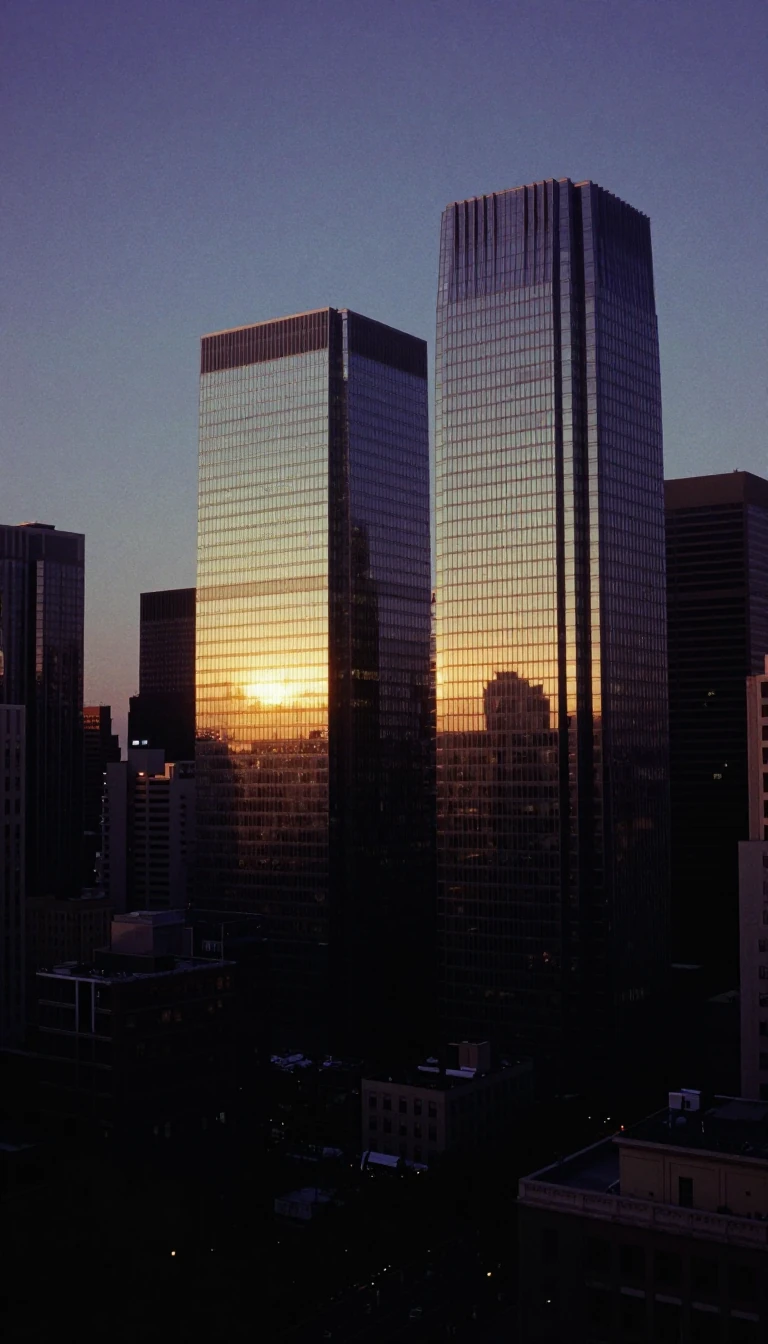
In short: Bounded by Central Park and the Hudson River, the Upper West Side transformed from a collection of rural Dutch farms and squatter shacks into one of Manhattan's most affluent intellectual hubs. Its history is a layered narrative of urban renewal, shifting demographics, and the enduring influence of iconic institutions.
The neighborhood's roots trace back to Dutch settlers who dubbed the area Bloomingdale, a name derived from the tulip-rich region of Bloemendaal. By the 18th century, the area was defined by ambitious country estates and farms along Bloomingdale Road. However, the 19th century brought significant instability; the construction of Central Park in the 1850s and 1860s displaced many, leading to a landscape of shacks, boarding houses, and taverns. It was not until the arrival of the Ninth Avenue Elevated railway in the 1870s and the first subway line in 1904 that the area experienced a massive residential building boom.
The 20th century saw the neighborhood undergo radical shifts. The southern end, once known as San Juan Hill, was a dense, rough tenement district before being cleared for the construction of Lincoln Center for the Performing Arts between 1962 and 1968. This era of urban renewal also saw the rise of the Riverside South project, which replaced industrial rail yards with residential complexes after decades of contentious development battles involving figures like Donald Trump.
Today, the Upper West Side is characterized by its stability and high median household income of $123,894 as of 2017. It remains a dense, largely residential enclave with a population of 193,867, according to 2010 census data. Its cultural identity is anchored by institutions like the American Museum of Natural History and Lincoln Center, while its demographic makeup continues to reflect a blend of long-standing Jewish communities and a diverse, highly educated population that enjoys a life expectancy of 84.7 years.
Opens the Intellect+ feed with this card first. Swipe up for the next one.
Sources
- Summary by Intellect · source: Upper West Side
To cite this card, link to https://intellectplus.co.uk/app/art-upper-west-side.
How we source, check and correct cards: Editorial standards.
General information, not professional advice. Spotted an error? Flag the card or see corrections and complaints.
Intellect Plus is a visual educational discovery platform for exploring fascinating facts and ideas. Brain Food, Not Brain Rot. What is Intellect Plus?
Related
More in Visual arts · More in Art · Latest · A–Z · All topics
