The 2002 Moscow theater siege: A rescue operation that became a lethal tragedy
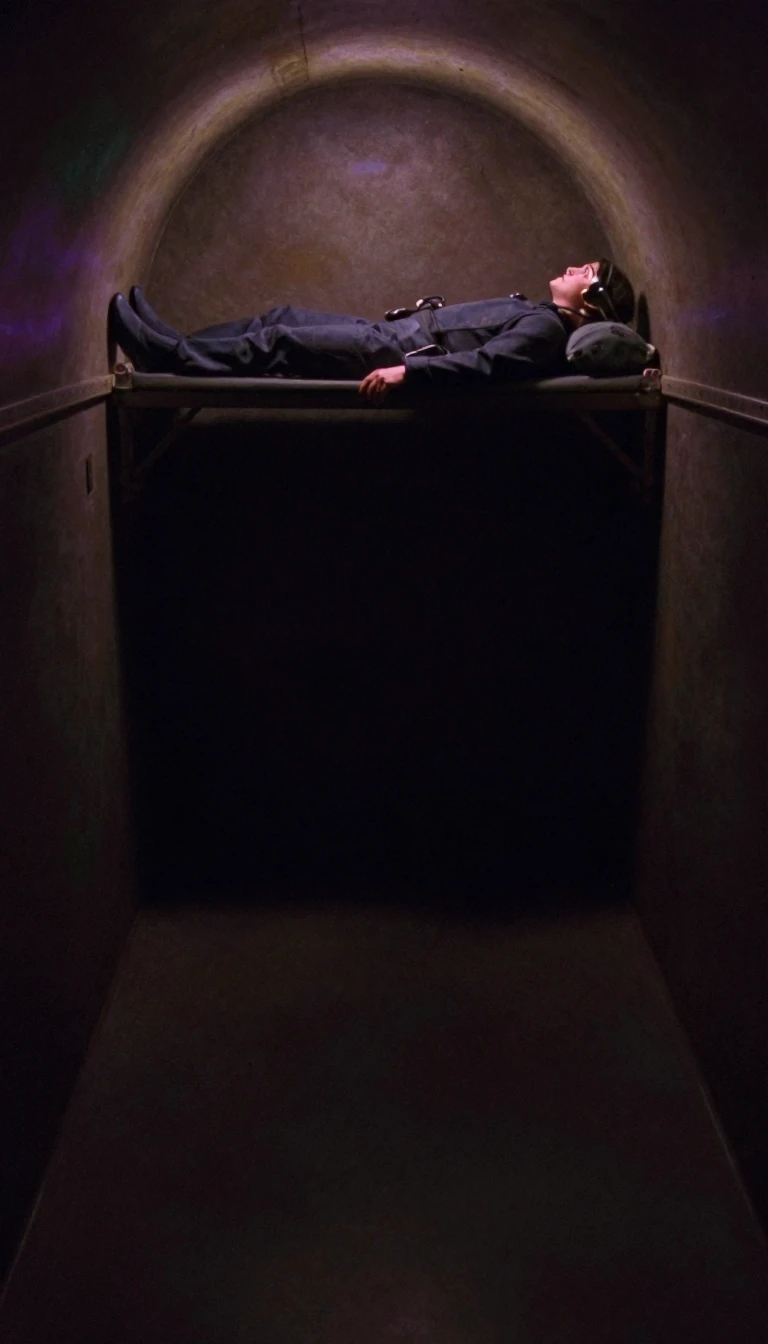
In short: In October 2002, fifty Chechen militants seized a Moscow theater, holding hundreds of audience members hostage to demand an end to the war in their homeland. The standoff concluded with a controversial gas-based assault by Russian special forces, leaving a staggering number of hostages dead from the chemical agent itself.
The crisis began on October 23, 2002, when armed Chechen separatists stormed the Dubrovka Theater during a performance of the musical Nord-Ost. Led by Movsar Barayev, the group took approximately 850 people hostage, demanding the total withdrawal of Russian forces from Chechnya. The militants, who had prepared for the assault months in advance, were heavily armed with explosives, mines, and grenades, creating a volatile environment that deteriorated rapidly over three days.
On the morning of October 26, Russian Spetsnaz troops from the Alfa command launched a rescue operation. They pumped a chemical agent into the theater’s ventilation system to incapacitate the captors. While the gas successfully neutralized the militants, it also proved lethal to the hostages. The exact composition of the gas was kept secret by security services, leaving paramedics and doctors without the information needed to provide effective treatment. Many survivors suffered permanent harm due to the administration of inappropriate medical care in the immediate aftermath.
The human cost of the operation remains a subject of intense debate. While the number of casualties is disputed, estimates suggest that at least 150 people died, with some reports placing the figure as high as 200. The vast majority of these deaths were attributed to the effects of the gas rather than direct combat. Following the tragedy, President Vladimir Putin did not withdraw from the region; instead, he intensified military operations, extending the conflict in Chechnya until 2009.
The event highlighted the extreme measures taken during the Second Chechen War, a conflict that had already devastated the region. The use of a vaporized fentanyl derivative—a painkiller roughly 100 times more potent than morphine—remains one of the most controversial aspects of the state's response. By refusing to disclose the nature of the chemical agent, authorities hindered the ability of medical personnel to save lives, turning a high-stakes counter-terrorism mission into a humanitarian disaster.
Opens the Intellect+ feed with this card first. Swipe up for the next one.
Sources
- Summary by Intellect · source: Moscow theater hostage crisis of 2002 | Description & Facts | Britannica
- Also: Moscow theater hostage crisis
To cite this card, link to https://intellectplus.co.uk/app/history-moscow-theater-hostage-crisis.
How we source, check and correct cards: Editorial standards.
General information, not professional advice. Spotted an error? Flag the card or see corrections and complaints.
Intellect Plus is a visual educational discovery platform for exploring fascinating facts and ideas. Brain Food, Not Brain Rot. What is Intellect Plus?
Related
More in Contemporary (1945-) · More in History · Latest · A–Z · All topics
