The 2004 Beslan school siege remains a haunting turning point in modern Russian history.
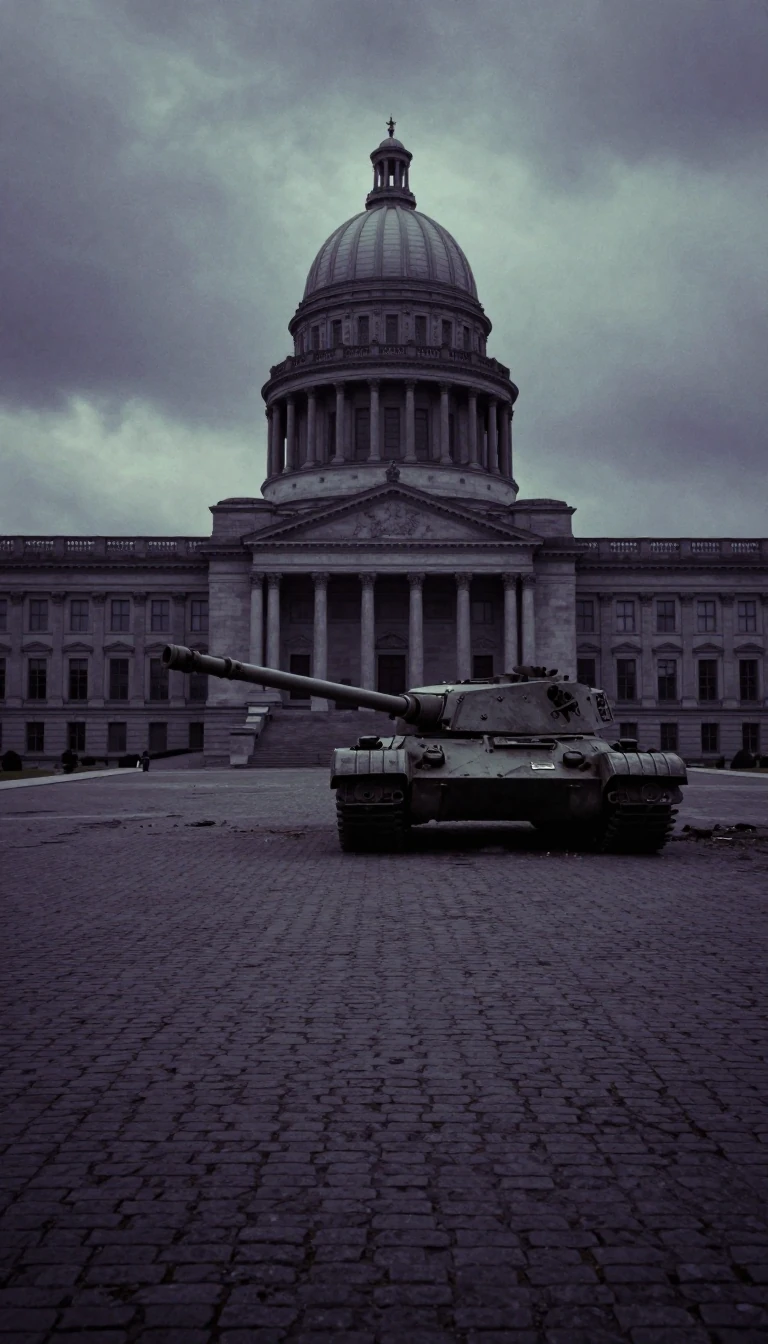
In short: On September 1, 2004, militants seized a school in Beslan, Russia, holding over 1,000 people captive for 53 hours. The tragedy, which claimed more than 330 lives, triggered a massive shift in Russian governance, centralizing presidential power and forever altering the nation’s approach to counterterrorism and civil society.
The siege began on the first day of the school year, a traditional celebration known as Knowledge Day. Militants, linked to the Chechen separatist insurgency, herded attendees into a gymnasium rigged with explosives. For three days, hostages were denied food and water, with many forced to drink urine. The standoff ended on September 3, 2004, when explosions and a subsequent fire in the gymnasium prompted a chaotic assault by Russian special forces.
The official response involved heavy weaponry, including T-72 tanks, flamethrowers, and grenade launchers, which critics and survivors argued were excessive and indiscriminate. While the Russian government initially claimed the hostage-takers were an international gang of drug addicts, most were identified as citizens of Russia from neighboring Ingushetia and Chechnya. The event resulted in the deaths of more than 330 people, half of whom were children, making it one of the deadliest terrorist acts in history.
In the aftermath, President Vladimir Putin utilized the crisis to consolidate control, ending the popular election of regional governors in favor of direct presidential appointments. A 2006 parliamentary commission report absolved authorities of blame, a conclusion survivors rejected as a whitewash. Years later, in 2017, the European Court of Human Rights ruled that Russian officials had ignored intelligence regarding the imminent attack and failed to protect the hostages, awarding victims $3.1 million in damages.
The legacy of Beslan is defined by both its horror and the surprising restraint of the victims. Despite deep-seated traditions of blood feuds and ethnic tension between Ossetians and their Chechen and Ingush neighbors, the community avoided large-scale retaliatory violence. Today, while the event is largely forgotten outside Russia, it remains a transformative, traumatic memory for the Russian public, symbolizing the government's kill-the-enemy-at-all-costs counterterrorism strategy.
Opens the Intellect+ feed with this card first. Swipe up for the next one.
Sources
- Summary by Intellect · source: What the Beslan School Siege Taught Us | Notre Dame Magazine | University of Notre Dame
- Also: Beslan school attack | Siege, Massacre, & Aftermath | Britannica
- Also: Beslan school siege
To cite this card, link to https://intellectplus.co.uk/app/history-beslan-school-siege.
How we source, check and correct cards: Editorial standards.
General information, not professional advice. Spotted an error? Flag the card or see corrections and complaints.
Intellect Plus is a visual educational discovery platform for exploring fascinating facts and ideas. Brain Food, Not Brain Rot. What is Intellect Plus?
Related
More in Contemporary (1945-) · More in History · Latest · A–Z · All topics
