Mummification is a global phenomenon that predates the pyramids by thousands of years
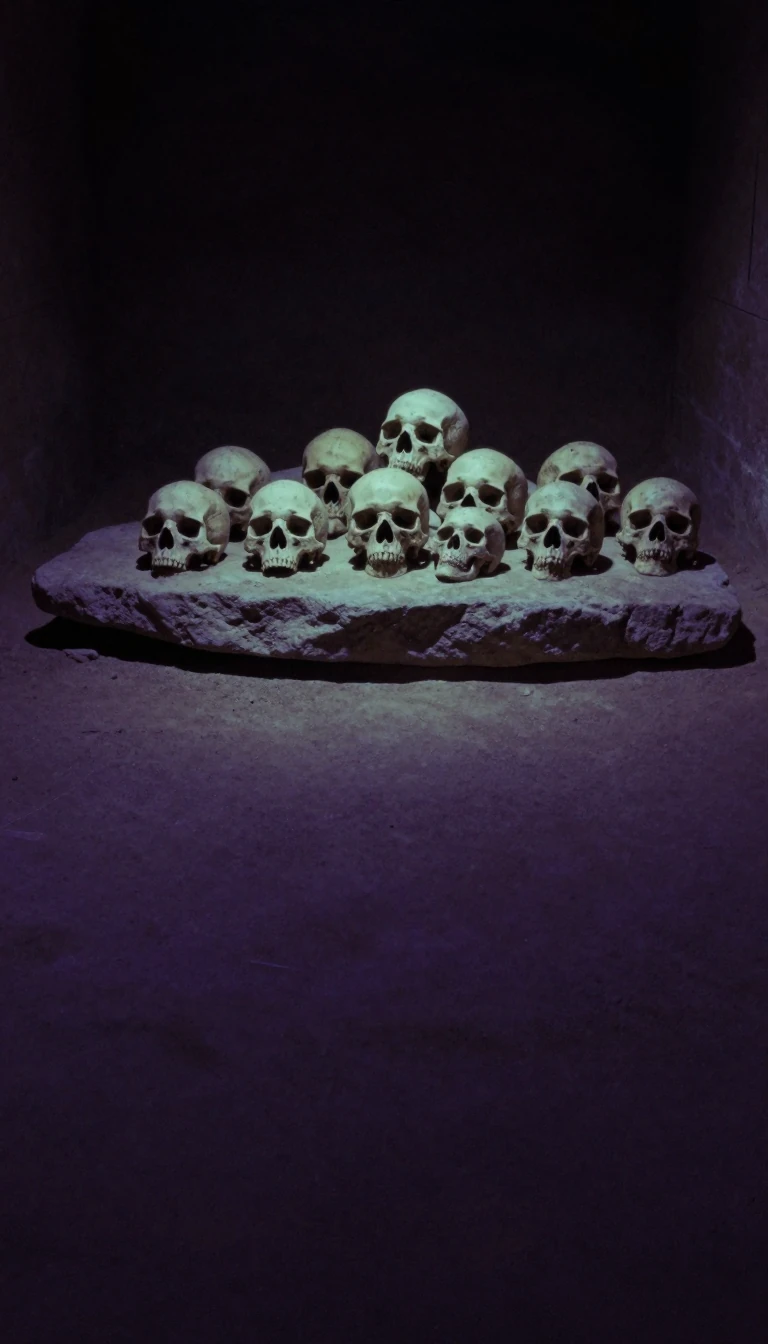
In short: We often associate mummies with the golden sands of Egypt, but these preserved remains appear on every continent. From deliberate burials in Southeast Asia dating back 12,000 years to naturally desiccated corpses in the Americas, the practice of preventing decay is a far older and more widespread human endeavor than commonly realized.
While modern definitions often focus on the chemical embalming techniques of the pharaohs, the term mummy encompasses any body preserved through extreme cold, low humidity, or oxygen deprivation. This preservation can be accidental or intentional. While some scholars argue the label should only apply to deliberate chemical treatments, historical usage has included naturally desiccated remains since the early 1600s.
The timeline of deliberate mummification is being pushed back by new archaeological findings. Evidence now suggests that humans were intentionally preserving their dead as early as 10,000 BC across regions including China, Australia, New Guinea, and Southeast Asia. Researchers are currently investigating whether these sophisticated methods might have roots reaching back 20,000 years. These practices were not limited to the Old World; ancient cultures in the Americas also utilized dry climates to facilitate preservation.
Specific discoveries highlight the diversity of these findings. In North America, the Spirit Cave mummies in Nevada are over 9,400 years old. In South America, the Chinchorro culture in Chile practiced deliberate mummification around 5050 BC, a site previously considered the oldest of its kind. Natural preservation also yields remarkable specimens, such as a 6,000-year-old severed head unearthed in Argentina during a 1936 expedition. Beyond humans, animal mummification was prolific, with over one million specimens discovered in Egypt alone, including cats and sacred ibises, the latter dating between 450 and 250 BC.
This global distribution challenges the notion that mummification was a singular cultural invention. Instead, it appears to be a widespread human response to the desire to maintain the physical form after death. Whether through the harsh, arid conditions of the desert or the meticulous application of chemicals, the preservation of the body remains a profound link between contemporary observers and the ancient world.
Opens the Intellect+ feed with this card first. Swipe up for the next one.
Sources
- Summary by Intellect · source: Mummy
To cite this card, link to https://intellectplus.co.uk/app/history-mummy.
How we source, check and correct cards: Editorial standards.
General information, not professional advice. Spotted an error? Flag the card or see corrections and complaints.
Intellect Plus is a visual educational discovery platform for exploring fascinating facts and ideas. Brain Food, Not Brain Rot. What is Intellect Plus?
Related
More in Empires & civilisations · More in History · Latest · A–Z · All topics
