Pax Sinica: How China’s historical hegemony shaped two millennia of regional stability
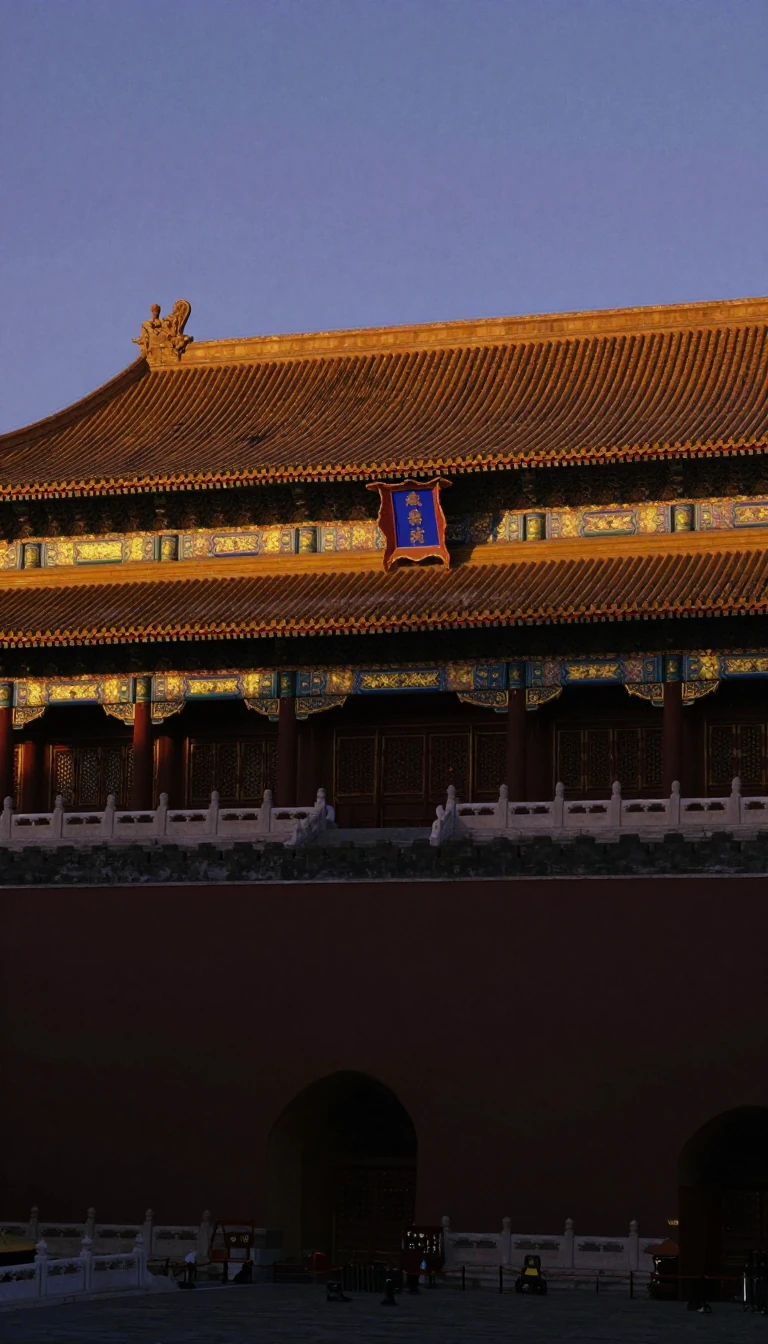
In short: Pax Sinica, or Chinese peace, describes historical eras where China’s dominance fostered stability across East, Southeast, and Central Asia. Spanning roughly two thousand years in total, these periods of influence—from the Han dynasty to the modern era—reshaped trade, culture, and geopolitics, often mirroring the reach of the Roman Empire.
The concept of Pax Sinica refers to periods of regional hegemony where China’s prominence provided order across vast territories. The first such era emerged under the Han dynasty, coinciding with the Pax Romana in the West. During this time, the Silk Road was established, facilitating unprecedented cultural and commercial exchange between East and West. This stability was supported by the neutralization of nomadic threats like the Xiongnu and the consolidation of imperial power, which fostered domestic prosperity through periods like the Rule of Wen and Jing.
Subsequent dynasties expanded this influence through different mechanisms. The Tang dynasty, for instance, turned its capital, Chang'an, into a global hub, maintaining hegemony over 72 tributary states and extending control as far as modern-day Afghanistan. Later, the Ming dynasty projected power through Zheng He’s maritime expeditions, while the Qing dynasty—sometimes called Pax Manjurica—oversaw massive territorial expansion, eventually controlling nearly 10 percent of the world's land area. These eras were not merely about military might; they institutionalized a tributary system that deeply influenced the politics and cultures of neighboring states, including Korea and Japan.
Today, the term is being revisited by scholars to describe China's contemporary rise. Following the economic reforms initiated by Deng Xiaoping, China has become a manufacturing powerhouse, with industry accounting for over 36 percent of its economy. As China’s global influence grows, some analysts compare this shift to the historical Pax Sinica, noting that it occurs alongside changes in the global order, including the relative influence of the United States. Whether this modern period constitutes a true Pax Sinica remains a subject of academic debate, as the international landscape is far more complex than the Sinocentric orders of the past.
Opens the Intellect+ feed with this card first. Swipe up for the next one.
Sources
- Summary by Intellect · source: Pax Sinica
To cite this card, link to https://intellectplus.co.uk/app/history-pax-sinica.
How we source, check and correct cards: Editorial standards.
General information, not professional advice. Spotted an error? Flag the card or see corrections and complaints.
Intellect Plus is a visual educational discovery platform for exploring fascinating facts and ideas. Brain Food, Not Brain Rot. What is Intellect Plus?
Related
More in History by continent and large region · More in History · Latest · A–Z · All topics
