How a 1951 coal treaty became a Nobel Peace Prize winner
In short: The European Union didn't start as a sprawling political bloc, but as a pragmatic industrial pact. By pooling the resources of war—coal and steel—six nations sought to make conflict physically impossible. This move from industrial cooperation to a unified currency and common citizenship remains one of history's most ambitious experiments in peace.
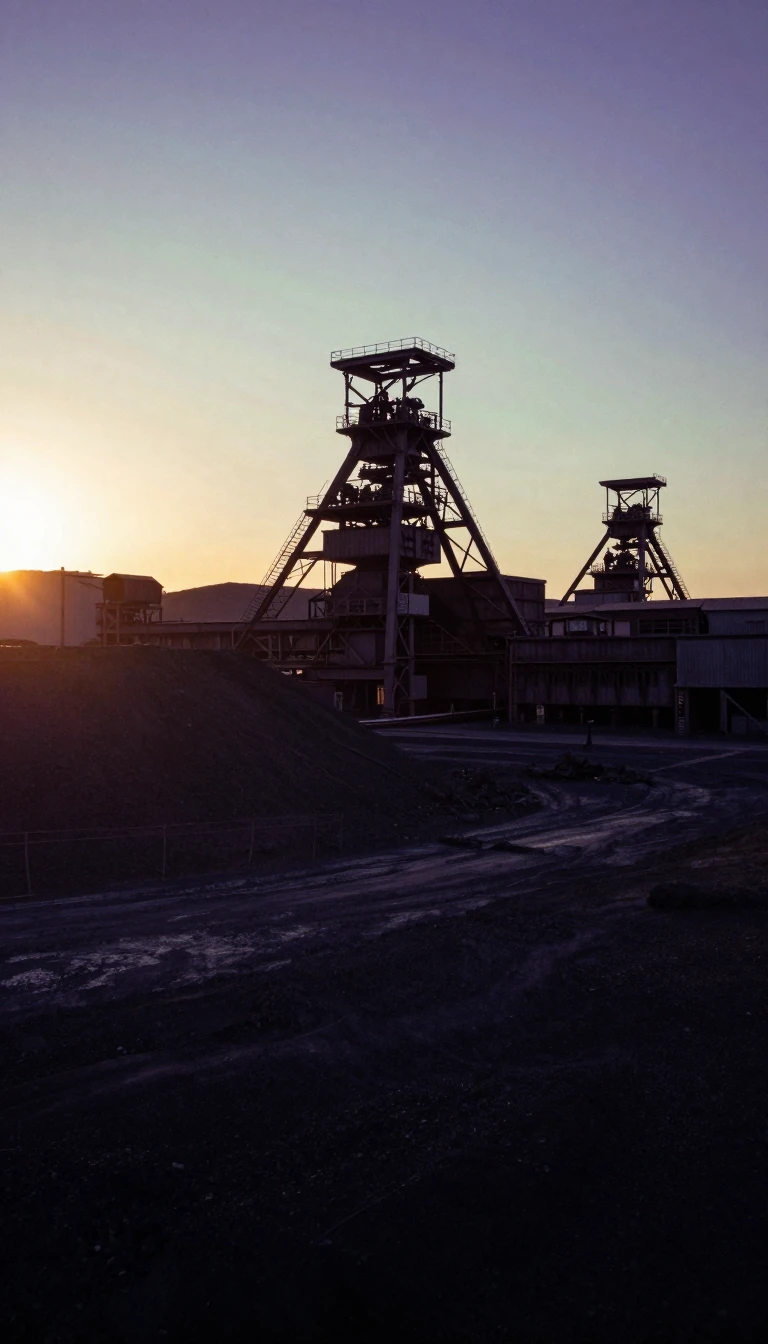
The roots of the European Union lie in the aftermath of World War II. In 1951, the Treaty of Paris was ratified by representatives from West Germany, the Netherlands, Luxembourg, Italy, France, and Belgium to foster prosperity and avoid further strife. This established the European Coal and Steel Community (ECSC), which took effect in 1952. By creating a free-trade area for essential resources like coal, coke, steel, scrap, and iron ore, these nations aimed to foster a lasting reconciliation between France and Germany while securing military stability.
The architecture of the EU was built on a supranational model. The ECSC introduced a High Authority for administration, a Council of Ministers for legislation, a Common Assembly for policy, and a Court of Justice for dispute resolution. These institutions served as the blueprint for subsequent treaties. A pivotal moment arrived on 1 November 1993, when the Maastricht Treaty became active. This treaty officially created the European Union, introducing a unified foreign and security policy, common citizenship rights, and the framework for the euro currency.
The organization has evolved significantly since its inception. Initially limited to the West, the bloc saw a powerful growth towards Central and Eastern Europe during the first years of the 21st century. While the United Kingdom was a founding member, it left the organization in 2020. In 2012, the EU was awarded the Nobel Prize for Peace, recognizing its systemic efforts to promote democracy and stability across the continent. Today, it governs economic, social, and security policies for 27 member states.
The process of unification depends on successive treaty updates, including those of Lisbon (2007), Nice (2001), and Amsterdam (1997). By consolidating the three pillars into one legal framework, the Lisbon Treaty proved especially important. This progression from a simple resource-sharing agreement to a complex multi-national government illustrates a unique historical shift from economic necessity to political unity.
Opens the Intellect+ feed with this card first. Swipe up for the next one.
Sources
- Summary by Intellect · source: European Union (EU) | Definition, Flag, Purpose, History, & Members | Britannica
- Also: History of the European Union
To cite this card, link to https://intellectplus.co.uk/app/history-history-of-the-european-union.
How we source, check and correct cards: Editorial standards.
General information, not professional advice. Spotted an error? Flag the card or see corrections and complaints.
Intellect Plus is a visual educational discovery platform for exploring fascinating facts and ideas. Brain Food, Not Brain Rot. What is Intellect Plus?
Related
More in History by continent and large region · More in History · Latest · A–Z · All topics
