How a Commodore’s Gunboat Diplomacy Forced Japan to End Two Centuries of Isolation
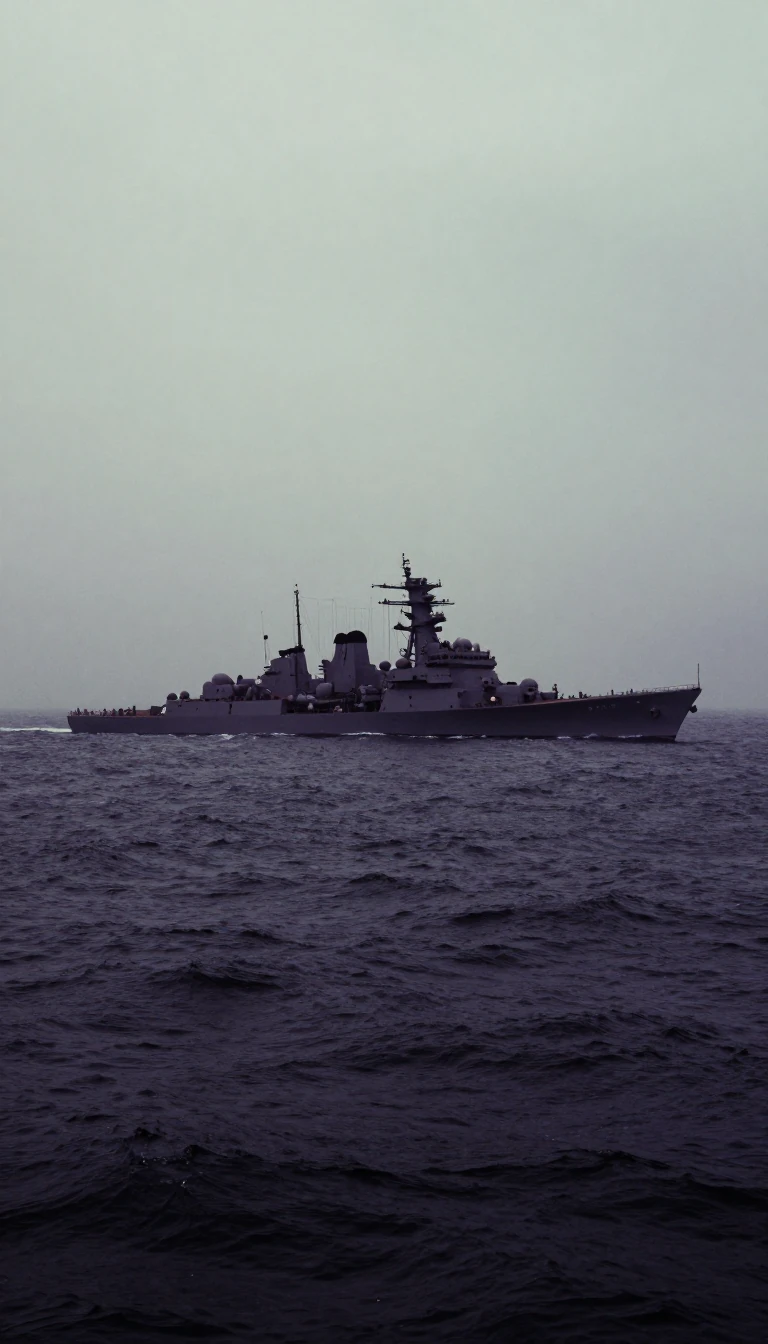
In short: In 1853, Commodore Matthew Perry sailed into Edo Bay with a fleet of steam-powered warships, demanding Japan abandon its long-standing policy of seclusion. His arrival, backed by the threat of explosive shell guns, shattered the Tokugawa shogunate’s control and permanently altered the trajectory of Japanese history and global trade.
By the mid-19th century, Japan had maintained a strict policy of isolation, known as Sakoku, for over 220 years. While the United States sought to secure coaling stations for its Pacific trade and protect shipwrecked sailors, the Tokugawa shogunate faced mounting pressure from foreign incursions. President Millard Fillmore dispatched Commodore Matthew Perry to force open these closed borders, utilizing a strategy of intimidation that became known as gunboat diplomacy.
Perry’s arrival in July 1853 was a masterclass in psychological warfare. He bypassed lower-level officials, refused to negotiate in Nagasaki, and positioned his ships to threaten the capital of Edo. By firing blank shots and displaying advanced Paixhans shell guns, he signaled that Japan’s coastal defenses were inadequate. The shogunate, paralyzed by the illness of Shōgun Tokugawa Ieyoshi and internal indecision, was forced to accept a letter from the American president, marking the first time the government opened its decision-making process to public debate among its daimyōs.
The subsequent Convention of Kanagawa, signed in March 1854, granted American vessels access to the ports of Shimoda and Hakodate and established a consulate. This diplomatic victory was sealed with an exchange of gifts—ranging from telegraphs and steam locomotives to whiskey and seashells—that symbolized the collision of two vastly different worlds. While Perry’s expedition achieved its primary objectives, it also exposed the fragility of the shogunate, eventually contributing to the collapse of the Tokugawa regime and the restoration of the Emperor.
The legacy of the expedition extended far beyond trade agreements. It triggered a cultural fascination with Japan in the West, known as Japonisme, and forced Japan into a rapid modernization process. Perry, who suffered from chronic health issues throughout his career, spent his final years documenting the mission in a three-volume report before his death in 1858. His actions remain a pivotal example of how military power can be leveraged to dismantle long-standing geopolitical barriers.
Opens the Intellect+ feed with this card first. Swipe up for the next one.
Sources
- Summary by Intellect · source: Perry Expedition
To cite this card, link to https://intellectplus.co.uk/app/history-perry-expedition.
How we source, check and correct cards: Editorial standards.
General information, not professional advice. Spotted an error? Flag the card or see corrections and complaints.
Intellect Plus is a visual educational discovery platform for exploring fascinating facts and ideas. Brain Food, Not Brain Rot. What is Intellect Plus?
Related
More in Modern (1800-1945) · More in History · Latest · A–Z · All topics
