Why the origins of Egyptian civilization remain buried under layers of Nile silt
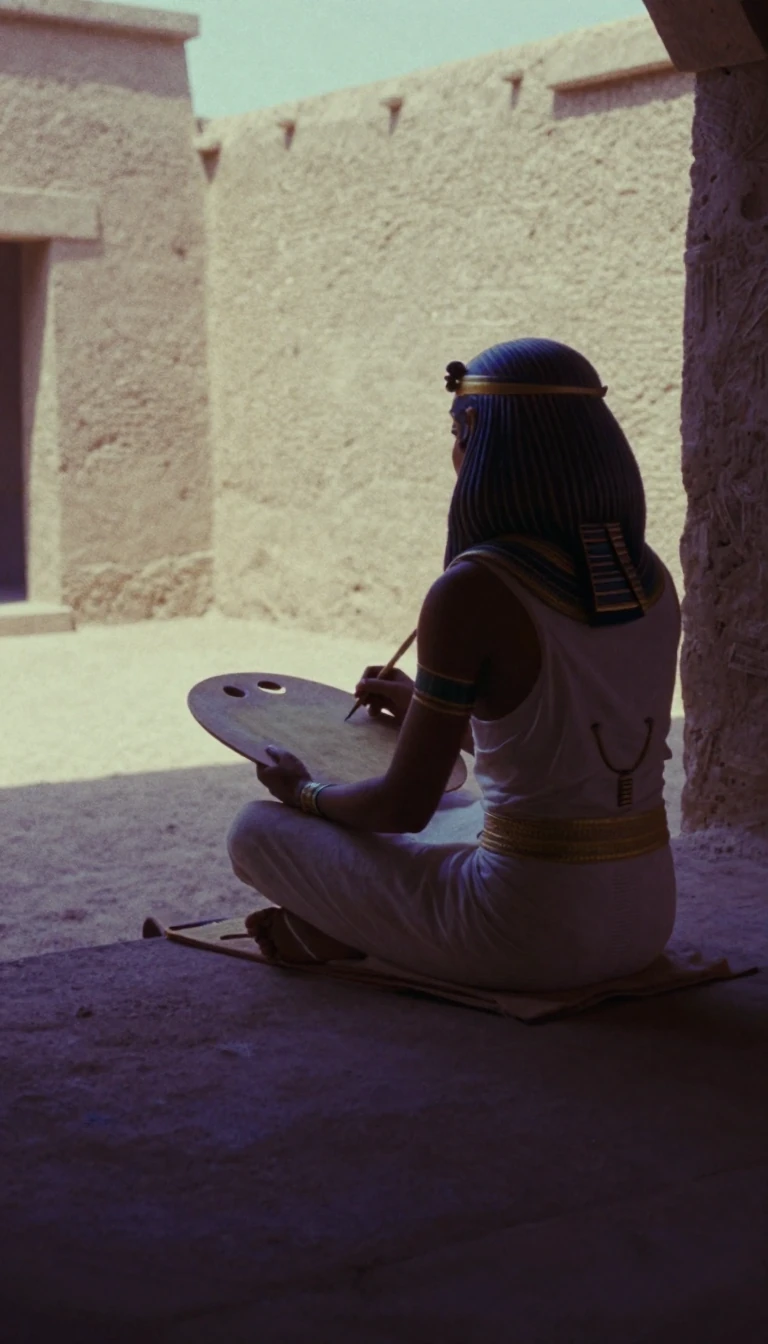
In short: Before the rise of the pharaohs, a long, gradual evolution shaped Egypt. While we often look to the grand monuments of later dynasties, the true story of Predynastic Egypt lies in a murky, contested timeline that archaeologists are still struggling to piece together from the deep, hidden layers of the Nile.
The story of Prehistoric Egypt spans from the earliest human presence in the region until the dawn of the First Dynasty around 3100 BC. Within this vast timeline, the Predynastic period is traditionally marked from the final stages of the Neolithic era, beginning approximately 6210 BC, and concluding around 3000 BC. These chronological boundaries were established long before modern, widespread excavations took place, leading to significant scholarly debate regarding the precise end of the era. Because the transition into dynastic rule was a slow, incremental process, researchers often struggle to define where the Predynastic period truly ends and the Early Dynastic period begins.
This ambiguity has birthed a variety of labels for the transitional phase, including the Protodynastic period, Dynasty 0, or the Zero Dynasty. These terms reflect the difficulty of pinning down a definitive shift in a culture that evolved steadily over millennia. To manage this complexity, historians divide the Predynastic era into distinct cultural phases named after the specific sites where unique settlement patterns were first identified. However, these divisions are largely subjective tools for study rather than evidence of separate, isolated entities. The entire period is defined by a continuous, gradual development that defies rigid categorization.
Our understanding of this formative era is heavily skewed by geography. The vast majority of archaeological evidence has been recovered from Upper Egypt, leaving the history of the Delta region largely obscured. The Nile River deposited heavy layers of silt across the Delta, burying ancient sites so deeply that they remained inaccessible to modern researchers. Consequently, while we have a clearer picture of the cultural evolution in the south, the northern narrative of early Egyptian development remains largely hidden beneath the river's sediment, reminding us that our historical record is as much a product of environmental preservation as it is of human achievement.
Opens the Intellect+ feed with this card first. Swipe up for the next one.
Sources
- Summary by Intellect · source: Prehistoric Egypt
To cite this card, link to https://intellectplus.co.uk/app/history-prehistoric-egypt.
How we source, check and correct cards: Editorial standards.
General information, not professional advice. Spotted an error? Flag the card or see corrections and complaints.
Intellect Plus is a visual educational discovery platform for exploring fascinating facts and ideas. Brain Food, Not Brain Rot. What is Intellect Plus?
Related
More in Prehistory · More in History · Latest · A–Z · All topics
