Prehistoric Europe was not an untouched wilderness, but a landscape shaped by human hands.
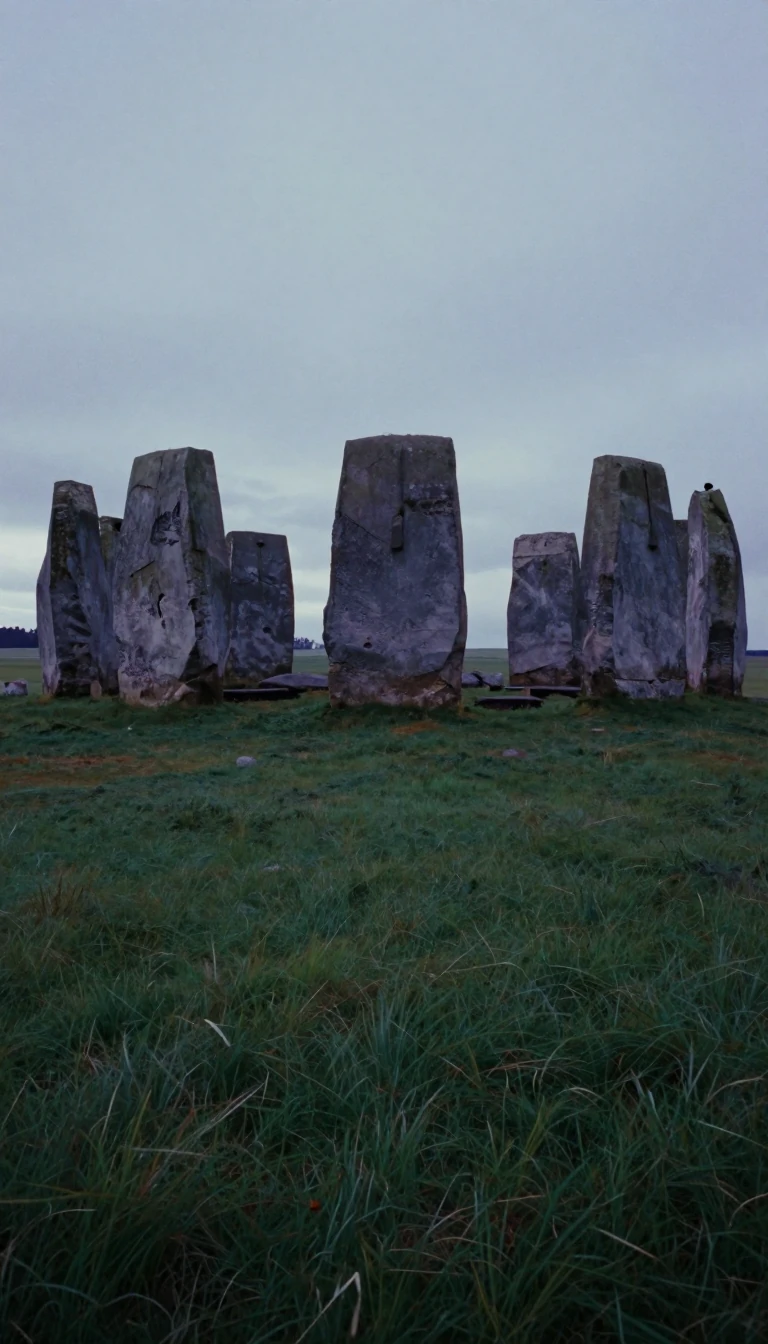
In short: Long before the first farms appeared, Neanderthals and Mesolithic hunter-gatherers were actively engineering Europe's ecosystems. New computer simulations reveal that early humans used fire and hunting to transform forests and grasslands, challenging the long-held belief that the continent remained a pristine, natural world until the dawn of agriculture.
For decades, the prevailing view of prehistoric Europe depicted a wild, untamed continent. However, recent interdisciplinary research combining archaeology, ecology, and AI-driven computer modeling suggests this image is incomplete. By analyzing fossilized pollen data alongside simulations of climate and megafauna, researchers have quantified the profound impact early humans had on their environment. These findings indicate that both Neanderthals and Mesolithic hunter-gatherers were not mere inhabitants of the landscape, but active co-creators of European ecosystems.
The mechanism of this transformation was twofold: the use of fire and the hunting of large herbivores. Neanderthals, present during the Last Interglacial period roughly 125,000 to 116,000 years ago, hunted megafauna like elephants weighing up to 13 tonnes. While their overall impact on vegetation was measurable—approximately 6% for plant distribution and 14% for vegetation openness—it remained limited due to their small population size. In contrast, Mesolithic hunter-gatherers, who inhabited Europe during the Early Holocene between 12,000 and 8,000 years ago, exerted a much larger influence, potentially affecting up to 47% of plant type distribution.
The hunting of large animals created an indirect ecological effect: with fewer herbivores to graze on vegetation, forests became denser and more closed. This human-induced shift occurred long before the widespread adoption of farming, which began in the 7th millennium BCE. While climate change and natural wildfires played roles in shaping the continent, the models demonstrate that these factors alone cannot account for the patterns found in the pollen record. Incorporating human activity provides a significantly more accurate match to the evidence, proving that the human footprint in Europe extends tens of thousands of years deeper into the past than previously understood.
Opens the Intellect+ feed with this card first. Swipe up for the next one.
Sources
- Summary by Intellect · source: Europe’s “untouched” wilderness was shaped by Neanderthals and hunter-gatherers
- Also: www.britannica.com — History of Europe - Prehistoric Cultures, Migration, & Conflict | Britannica
- Also: Prehistoric Europe
To cite this card, link to https://intellectplus.co.uk/app/history-prehistoric-europe.
How we source, check and correct cards: Editorial standards.
General information, not professional advice. Spotted an error? Flag the card or see corrections and complaints.
Intellect Plus is a visual educational discovery platform for exploring fascinating facts and ideas. Brain Food, Not Brain Rot. What is Intellect Plus?
Related
More in Prehistory · More in History · Latest · A–Z · All topics
