Why was a British Prince once hailed as a hero and later branded a butcher?
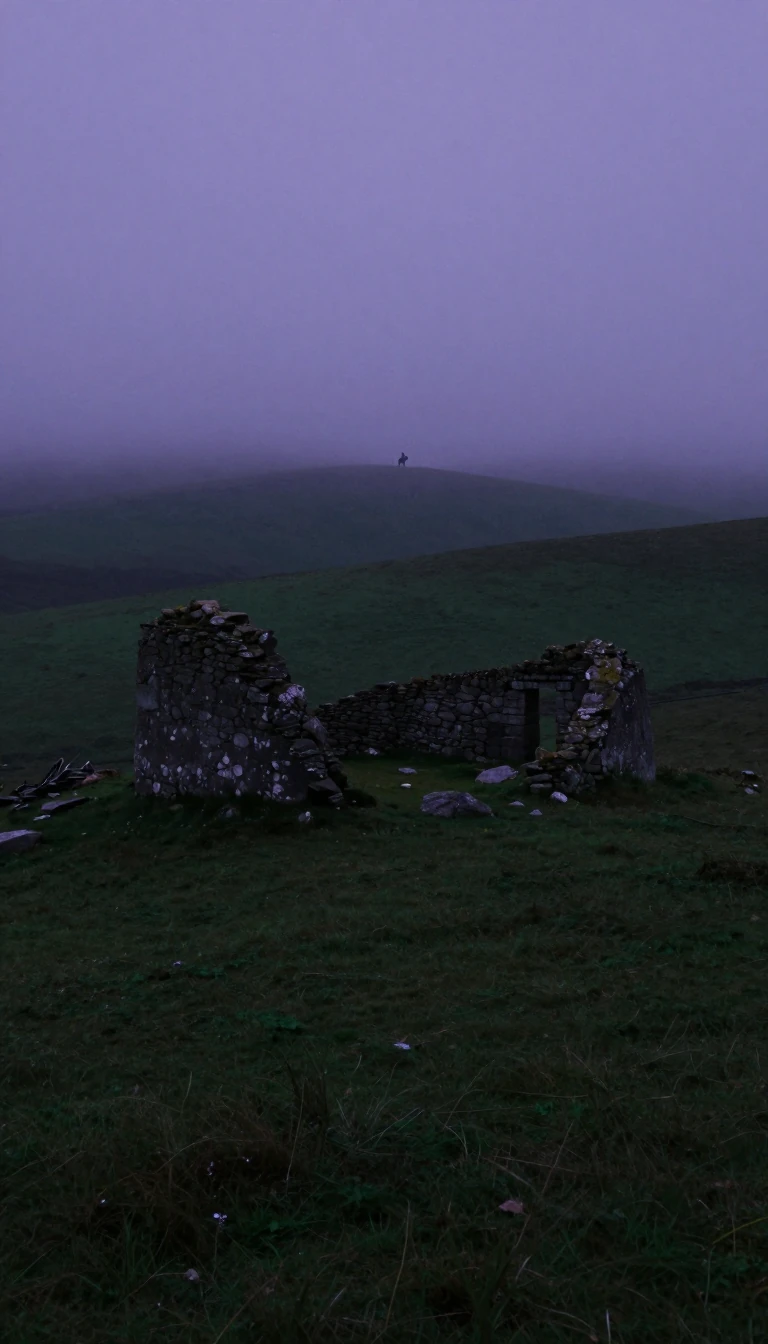
In short: Prince William, Duke of Cumberland, was the royal commander who crushed the 1745 Jacobite Rising at Culloden. While his victory secured the Hanoverian throne, his brutal pacification of the Highlands earned him a lasting, infamous nickname. Yet, his military legacy remains a complex mix of triumph, tactical failure, and political isolation.
Born in 1721 to George II and Caroline of Ansbach, Prince William Augustus was groomed for high office from childhood. By age four, he was a Knight of the Bath, and by 1745, he held the honorary title of Captain-General. His early military career was marked by both physical courage—he was wounded at the 1743 Battle of Dettingen—and significant tactical struggles against the French Marshal Maurice de Saxe, notably at the 1745 Battle of Fontenoy.
Cumberland is most defined by his role in the 1745 Jacobite Rising. After his decisive victory at Culloden on 16 April 1746, he oversaw a systematic pacification of the Highlands, involving property confiscations and summary executions. These actions, intended to ensure stability, drew sharp condemnation from his Tory opponents, who dubbed him 'The Butcher.' Conversely, his Whig supporters celebrated him as 'Sweet William,' and the public marked his success with Handel’s oratorio Judas Maccabaeus.
His later career was defined by frustration. His attempts to reform the army were blocked by political rivals, and his military command ended in disgrace following the 1757 Convention of Klosterzeven, where he agreed to disband his army to protect Hanover. His father, George II, publicly humiliated him upon his return to London, leading Cumberland to resign his offices. He spent his final years as an influential advisor to his nephew, George III, before dying in 1765 at age 44.
The Duke’s reputation has remained a lightning rod for centuries. In 2005, he was voted the worst Briton of the 18th century by the BBC History Magazine, and as recently as 2019, local authorities rejected plans to name a street after him near the Culloden battlefield. His life illustrates the volatile intersection of royal duty, military necessity, and the enduring power of historical memory.
Opens the Intellect+ feed with this card first. Swipe up for the next one.
Sources
- Summary by Intellect · source: Prince William, Duke of Cumberland
- Also: www.britannica.com — William Augustus, duke of Cumberland | Victory at Culloden, Hanoverian Succession, Jacobite Rebellion | Britannica
To cite this card, link to https://intellectplus.co.uk/app/history-prince-william-duke-of-cumberland.
How we source, check and correct cards: Editorial standards.
General information, not professional advice. Spotted an error? Flag the card or see corrections and complaints.
Intellect Plus is a visual educational discovery platform for exploring fascinating facts and ideas. Brain Food, Not Brain Rot. What is Intellect Plus?
Related
More in Military leaders, personnel, and theorists · More in History · Latest · A–Z · All topics
