Did a Greek explorer reach the Arctic Circle before the Roman Empire even existed?
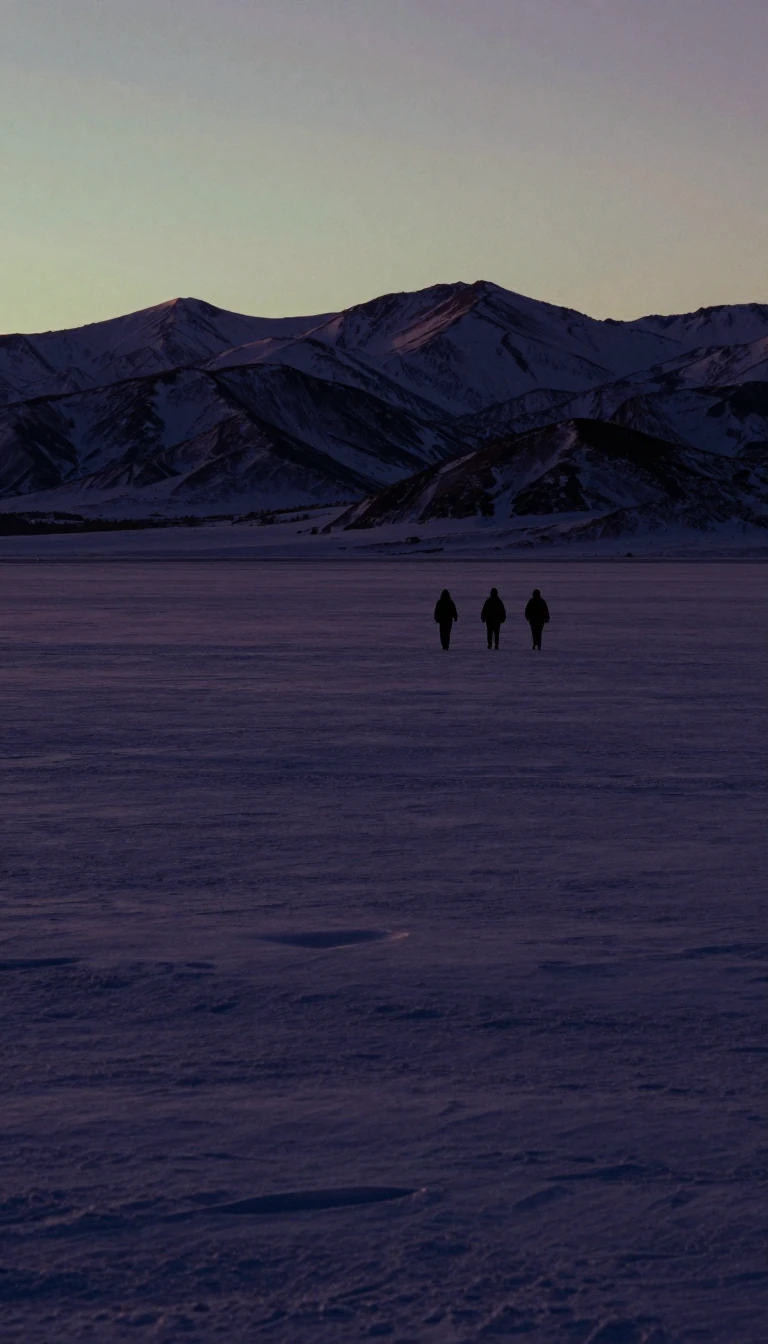
In short: Around 325 BC, Pytheas of Massalia ventured from the Mediterranean into the unknown North. He was the first recorded visitor from his culture to document the British Isles, the Arctic, and the phenomenon of the midnight sun, forever altering the geographic imagination of the ancient world through his lost treatise, On the Ocean.
Pytheas, a geographer and astronomer from the Greek colony of Massalia, embarked on a daring northern expedition around 325 BC. While his original writings have vanished, his legacy persists through the critical, often skeptical, accounts of later historians like Strabo, Diodorus of Sicily, and Pliny the Elder. These authors preserved fragments of his observations, which describe a world far beyond the Mediterranean horizon. Pytheas was the first to report on the Celtic and Germanic tribes, the existence of polar ice, and the midnight sun, where the sun remains visible at the summer solstice.
His exploration of the British Isles was particularly significant. He identified three major promontories—Kantion, Belerion, and Orkas—and provided the earliest known written reference to Britain, using a P-Celtic term that likely reflected local naming conventions. He observed that the inhabitants of Cornwall were skilled in tin production and trade, noting their hospitable nature toward foreign merchants. His reports on the tides, which he correctly linked to the moon, were revolutionary for his time, even if contemporaries like Strabo dismissed his measurements of Britain’s perimeter as wildly exaggerated.
The most enduring mystery of his voyage is the location of Thule, a distant land he described as being six days' sail north of Britain. While some ancient critics used the lack of corroborating accounts to label Pytheas a fabricator, modern scholars see his description of a 'solidified sea' and the Arctic Circle as evidence of a genuine journey to the Norwegian coast. Whether Thule refers to Norway, Iceland, or the Faroe Islands remains a subject of intense debate. Regardless of the exact coordinates, Pytheas remains the earliest Mediterranean explorer to document the northern reaches of Europe, bridging the gap between the classical world and the mysterious, frozen North.
Opens the Intellect+ feed with this card first. Swipe up for the next one.
Sources
- Summary by Intellect · source: Pytheas
To cite this card, link to https://intellectplus.co.uk/app/history-pytheas.
How we source, check and correct cards: Editorial standards.
General information, not professional advice. Spotted an error? Flag the card or see corrections and complaints.
Intellect Plus is a visual educational discovery platform for exploring fascinating facts and ideas. Brain Food, Not Brain Rot. What is Intellect Plus?
Related
More in Explorers · More in History · Latest · A–Z · All topics
