Why modern archaeologists finally trust a second-century traveler to map the ancient world
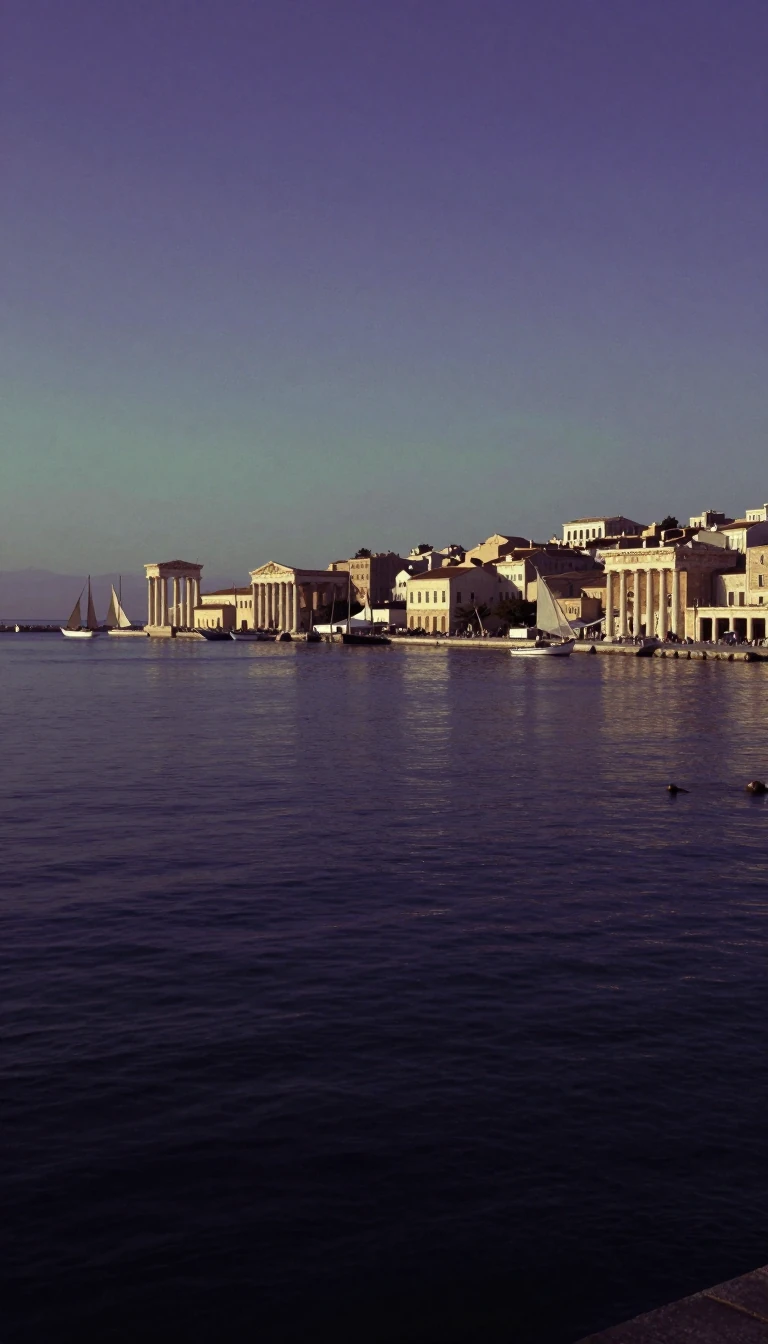
In short: Pausanias, a Greek traveler living under Roman rule, spent decades documenting the monuments and myths of his ancestors. Long dismissed by scholars as a mere collector of hearsay, his work is now considered a vital, accurate blueprint for uncovering lost sites that were once relegated to the realm of legend.
Born around 110 AD in Asia Minor, Pausanias lived during the height of the Roman Empire. Despite the imperial dominance of Rome, he remained deeply committed to his Greek identity. Between approximately 150 AD and his death around 180 AD, he embarked on a comprehensive pilgrimage across mainland Greece. His goal was to record 'panta ta hellenika'—all things Greek—creating a lasting testament to a culture he feared might fade. His resulting work, Description of Greece, is far more than a simple travelogue; it is a dense, multifaceted record of sacred spaces, monuments, and natural phenomena, ranging from the mechanics of tides to the shadows cast at the summer solstice.
For much of the modern era, classicists held Pausanias in low regard. Influenced by the authoritative views of Ulrich von Wilamowitz-Moellendorff, many scholars dismissed his accounts as unoriginal, second-hand compilations. They doubted he had even visited most of the locations he described, viewing his writing as purely literary rather than topographical. This skepticism persisted until twentieth-century excavations began to align with his descriptions. Archaeologists discovered that his accounts were remarkably precise, often providing the exact clues needed to identify and excavate sites that had been lost to history for centuries.
Today, Pausanias is recognized as a reliable guide whose frankness about his own limitations adds to his credibility. When he relied on second-hand information, he was careful to note it, often preserving details that have since vanished from other records. His work is now instrumental in modern research, such as the ongoing investigation into the location and culture of Tartessos. By bridging the gap between classical literature and physical archaeology, Pausanias has transformed from a misunderstood storyteller into an essential partner for those seeking to map the physical reality of the ancient world.
His writing style, while straightforward, remains unique for its time. He frequently digressed into natural history and mythology, a narrative approach that would not regain popularity until the nineteenth century. By weaving together the myths of the past with the realities of his own Roman-occupied present, Pausanias successfully established a place for his heritage in a changing world, ensuring that the glories of ancient Greece remained relevant long after his own time.
Opens the Intellect+ feed with this card first. Swipe up for the next one.
Sources
- Summary by Intellect · source: Pausanias (geographer)
To cite this card, link to https://intellectplus.co.uk/app/science-pausanias-geographer.
How we source, check and correct cards: Editorial standards.
General information, not professional advice. Spotted an error? Flag the card or see corrections and complaints.
Intellect Plus is a visual educational discovery platform for exploring fascinating facts and ideas. Brain Food, Not Brain Rot. What is Intellect Plus?
Related
More in Archaeology · More in History · Latest · A–Z · All topics
