The Regency era was a time of extreme inequality, not just elegant ballroom dances.
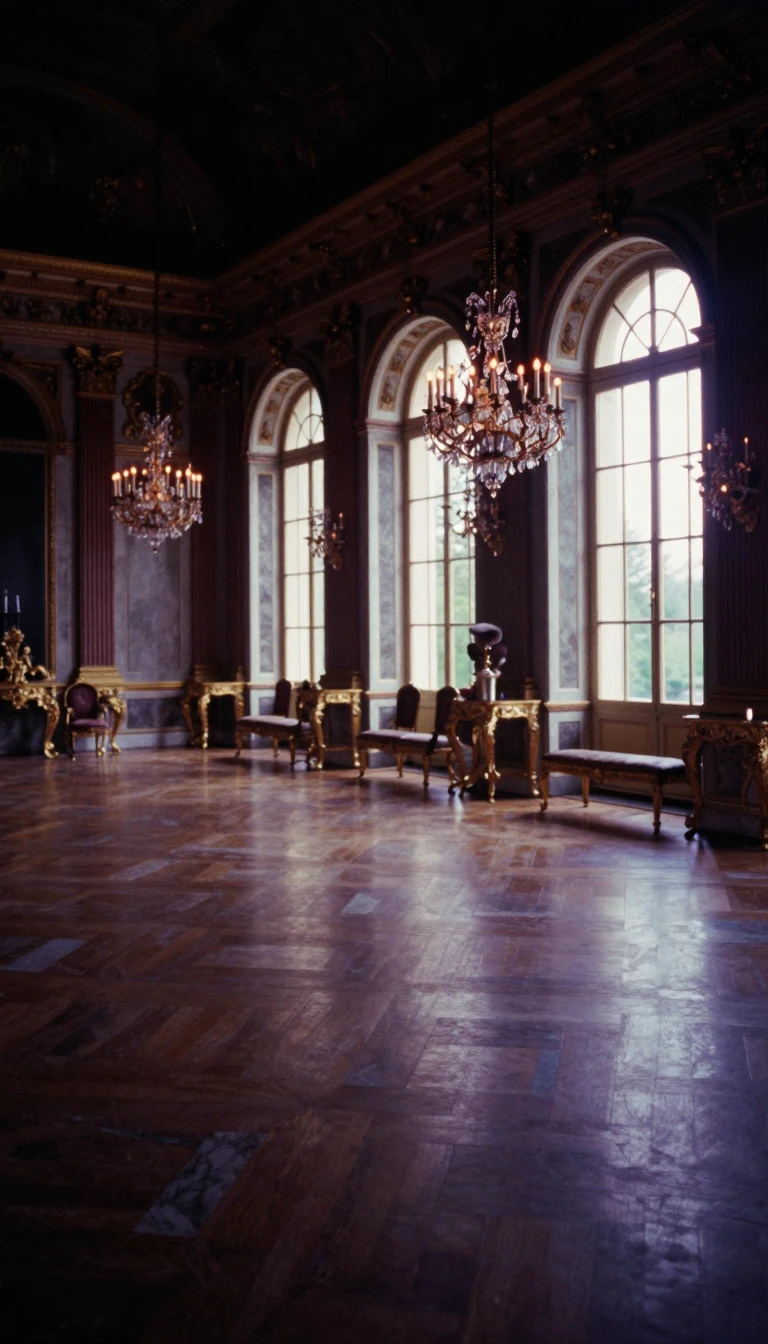
In short: While remembered for its refinement and cultural achievements, the Regency era was defined by a stark divide. Beneath the glamour of the Prince Regent's social circle, the masses suffered through rampant poverty, industrial slums, and the harsh realities of a rapidly changing nation struggling with war and economic collapse.
The Regency era is officially defined by the 1811 Regency Act, which appointed the Prince of Wales as Prince Regent due to King George III's permanent mental illness. However, historians often use a broader timeframe, spanning from approximately 1795 to the accession of Queen Victoria in 1837. This period was marked by the final years of the Napoleonic Wars, the ongoing Industrial Revolution, and a significant population boom that saw the number of people in England rise from under one million in 1801 to 1.25 million by 1820.
For the wealthy elite, this was an age of artistic patronage and architectural ambition, exemplified by the Prince Regent's construction of the Brighton Pavilion and the development of Regent's Park. Yet, this luxury stood in sharp contrast to the lives of the urban poor. Many lived in overcrowded, squalid slums known as rookeries, where conditions were worsened by mass unemployment and the disastrous harvest of 1816, often called the Year Without a Summer.
Political tension defined the era, as the landed class maintained control while the country faced widespread unrest. The government’s response included the controversial Corn Laws and the 1819 Peterloo Massacre. Eventually, the 1832 Great Reform Act began to shift the political landscape, granting representation to industrial towns and expanding the franchise. Simultaneously, the period saw major social shifts, including the abolition of slavery in 1833 and the introduction of the 1834 Poor Law Amendment Act, which replaced traditional home-based aid with the grim, disciplined environment of the workhouse.
The era was also a golden age for Romanticism, with figures like Jane Austen, Lord Byron, and J. M. W. Turner shaping the cultural identity of the time. While the Prince Regent’s own life was characterized by ostentatious consumption and a pursuit of pleasure, the broader society was undergoing a painful, radical transformation that laid the foundations for the Victorian age.
Opens the Intellect+ feed with this card first. Swipe up for the next one.
Sources
- Summary by Intellect · source: Regency era
To cite this card, link to https://intellectplus.co.uk/app/history-regency-era.
How we source, check and correct cards: Editorial standards.
General information, not professional advice. Spotted an error? Flag the card or see corrections and complaints.
Intellect Plus is a visual educational discovery platform for exploring fascinating facts and ideas. Brain Food, Not Brain Rot. What is Intellect Plus?
Related
More in UK & Ireland: history · More in History · Latest · A–Z · All topics
