Northumbria: The volatile medieval kingdom that shaped the identity of Northern England
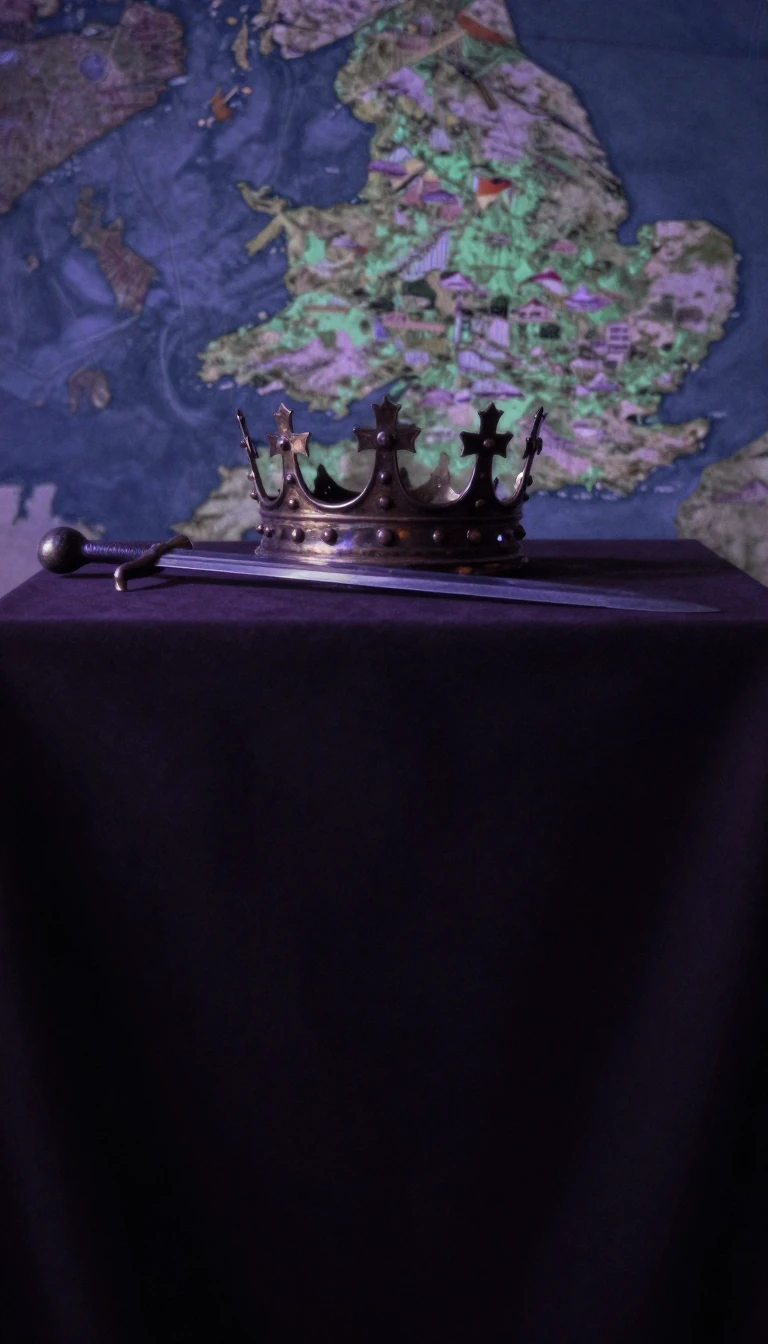
In short: Between 654 and 1066, Northumbria stood as a powerhouse of early medieval England. Yet, beneath its grand history of saints and scholars lay a brutal reality: a throne so unstable that the average reign lasted just six and a half years, often ending in murder, exile, or forced monasticism.
Formed from the unification of the kingdoms of Bernicia and Deira in 651, Northumbria stretched from the Humber in the south to the Firth of Forth in the north. While its landscape was dominated by Anglo-Saxon elite culture, the kingdom likely rested on older Celtic British foundations. Archaeological sites like Yeavering Bell suggest that these Germanic settlers built their power upon existing British political centres, even as they engaged in fraught relations with the native population.
The kingdom’s political life was defined by extreme volatility. Between the reign of Oswiu, the first unified king in 651, and the death of the final Viking king Eric Bloodaxe in 954, forty-five monarchs occupied the throne. Of the twenty-five kings who ruled before the Danish conquest, only four died of natural causes. The rest were deposed, exiled, or murdered, often falling victim to the very hereditary succession system that made young, inexperienced princes prime targets for assassination.
Despite this internal chaos, Northumbria became a beacon of religious and intellectual life. King Oswald, who reigned from 634 to 642, established the monastery at Lindisfarne, which became a vital centre for the spread of Christianity. Later, the monastery at Monkwearmouth–Jarrow housed a library of over two hundred volumes, providing the resources for Bede to write his seminal history. This cultural legacy persisted even as the kingdom fractured under Viking pressure, eventually splitting into the Danelaw-controlled Kingdom of York and the northern Earldom of Bamburgh, before being absorbed into the emerging kingdoms of England and Scotland.
Opens the Intellect+ feed with this card first. Swipe up for the next one.
Sources
- Summary by Intellect · source: Northumbria
To cite this card, link to https://intellectplus.co.uk/app/history-northumbria.
How we source, check and correct cards: Editorial standards.
General information, not professional advice. Spotted an error? Flag the card or see corrections and complaints.
Intellect Plus is a visual educational discovery platform for exploring fascinating facts and ideas. Brain Food, Not Brain Rot. What is Intellect Plus?
Related
More in UK & Ireland: history · More in History · Latest · A–Z · All topics
