Did a single arsonist ignite the end of Germany's first liberal democracy?
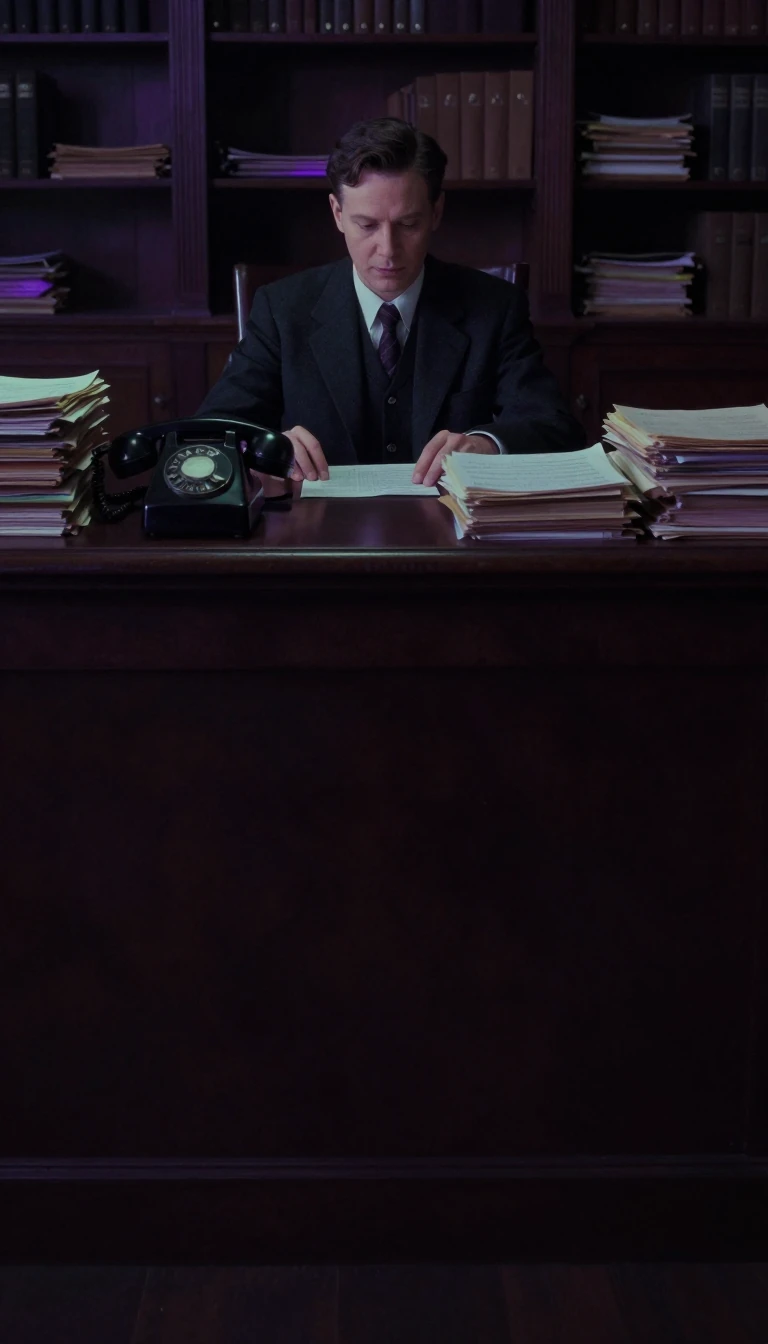
In short: On February 27, 1933, the Reichstag building in Berlin erupted in flames. Adolf Hitler immediately framed the incident as a communist uprising, using the chaos to secure dictatorial powers. While the event remains a potent political metaphor for executive overreach, the reality of the fire is far more complex.
The Weimar Republic, established in 1919, was a fragile experiment in democracy. Its constitution granted the president significant authority, including the power to rule by decree during national emergencies under Article 48. By early 1933, Germany was reeling from the Great Depression, which had driven unemployment to 6 million people. Amid this social upheaval, the Nazi Party gained traction, though they lacked a parliamentary majority. In January 1933, President Paul von Hindenburg appointed Hitler as chancellor, hoping a conservative coalition could stabilize the nation.
The fire broke out around 9:00 p.m. on February 27, 1933. Police apprehended Marinus van der Lubbe, an unemployed Dutch construction worker, at the scene. Hitler and his inner circle immediately seized the narrative, labeling the arson a communist plot. Within hours, Hindenburg invoked Article 48 to sign a sweeping emergency decree. This legislation effectively dismantled civil liberties, including freedom of speech, assembly, and the press, while authorizing the state to tap phones and intercept mail. The decree also suspended the autonomy of German states, such as Bavaria.
The political consequences were swift. Thousands of opponents, particularly communists, were arrested and tortured by Nazi stormtroopers. By detaining elected communist deputies, the Nazis cleared the path to consolidate total control. A subsequent trial in September 1933 acquitted several accused communists, though van der Lubbe was convicted and executed. While historians generally agree that van der Lubbe set the fire, debate persists regarding whether he acted alone or if the Nazis exploited the event as a calculated pretext. The incident remains a cautionary tale about how crises can be leveraged to dismantle democratic institutions from within.
Opens the Intellect+ feed with this card first. Swipe up for the next one.
Sources
- Summary by Intellect · source: The True Story of the Reichstag Fire and the Nazi Rise to Power
- Also: Reichstag fire
To cite this card, link to https://intellectplus.co.uk/app/history-reichstag-fire.
How we source, check and correct cards: Editorial standards.
General information, not professional advice. Spotted an error? Flag the card or see corrections and complaints.
Intellect Plus is a visual educational discovery platform for exploring fascinating facts and ideas. Brain Food, Not Brain Rot. What is Intellect Plus?
Related
More in Modern (1800-1945) · More in History · Latest · A–Z · All topics
