Ancient skull porosities may be caused by different types of anemia
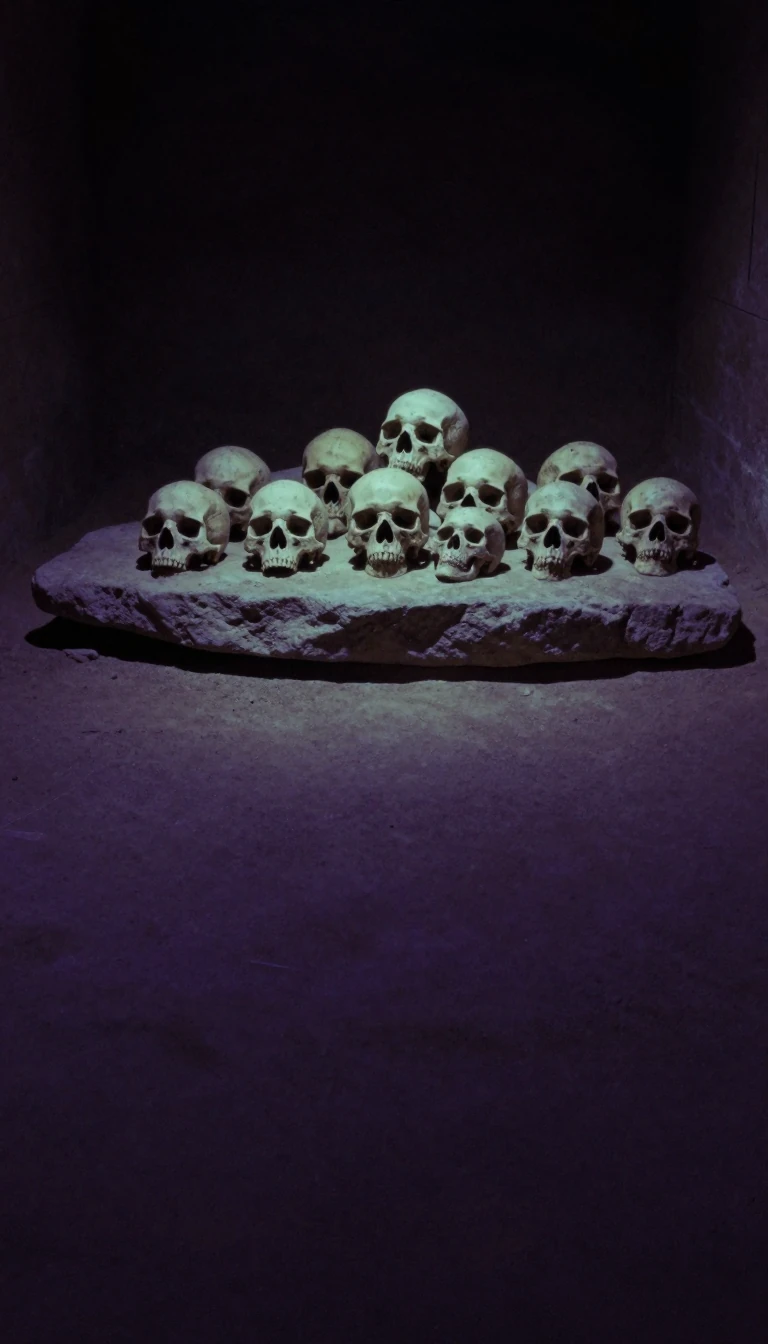
In short: Researchers who study ancient human remains have long used specific bone porosities to identify past iron deficiency. However, a reappraisal of this common assumption suggests that these skeletal marks may actually point to more complex health issues, such as hemolytic or megaloblastic anemias, rather than simple dietary iron lack.
The study highlights that while iron-deficiency anemia was the standard explanation since the 1950s, modern hematology shows that simple iron deficiency cannot produce the massive red blood cell expansion required to create these lesions. This review of paleopathological evidence suggests that different types of anemia, often linked to infections or parasites, are more likely causes. The primary limitation is that the paper synthesizes existing evidence rather than providing new archaeological data.
Why it matters: Reevaluating how we interpret ancient skeletal remains can change our understanding of past nutrition and disease.
Opens the Intellect+ feed with this card first. Swipe up for the next one.
Sources
- Summary by Intellect · source: Research: Walker et al. (2009). The causes of porotic hyperostosis and cribra orbitalia: A reappraisal of the iron‐deficiency‐anemia hypothesis. American Journal of Physical Anthropology.
To cite this card, link to https://intellectplus.co.uk/app/history-research-ancient-skull-porosities-may-be-caused-by-different-types-of.
How we source, check and correct cards: Editorial standards.
General information, not professional advice. Spotted an error? Flag the card or see corrections and complaints.
Intellect Plus is a visual educational discovery platform for exploring fascinating facts and ideas. Brain Food, Not Brain Rot. What is Intellect Plus?
Related
More in Archaeology · More in History · Latest · A–Z · All topics
