 Intellect Plus
Archaeology
598 cards. Each one is a 40-second story with a five-minute read behind it.
 Archaeologists are decoding Viking history through the remains of their teethWhile written records provide a window into medieval life, they often overlook less-literate societies. This video explores how modern technology allows us to reconstruct the live…
 The hidden history of North America's 7,000-year 'silent' eraFor decades, the seven millennia between the Ice Age and European contact were dismissed as a period of simple wandering. We now know this era was actually a crucible of innovatio…
 Was the legendary Queen of Egypt actually killed by an asp?The death of Cleopatra is one of history's most enduring mysteries, often depicted as a dramatic suicide via snake bite. This investigation uses modern science and forensic detect…
 Did history's greatest conqueror fall to a blade, a toxin, or a virus?The death of Alexander the Great remains one of antiquity's most enduring mysteries. This investigation uses modern virological theories and forensic detective work to re-examine …
 Was Genghis Khan killed by an arrow, lightning, or something else?Legendary conqueror Genghis Khan left behind a mystery of how he actually died. This video uses cutting-edge science and digital forensics to move past myth and investigate the tr…
 Was the Pharaoh's Curse a lethal toxin or a fatal obsession?The 1922 discovery of King Tutankhamun’s tomb sparked legends of a deadly jinx. This exploration moves past the folklore to examine whether the 'curse' was rooted in environmental…
 Tracing the architectural and philosophical roots of Western civilizationJoin Professor Alice Roberts as she explores the archaeological remains of Greece's islands to uncover how the foundations of modern democracy, philosophy, and art were first laid.
- The ancient bond between humans and dogs began with the huntBefore modern technology, dogs were essential survival partners. This video explores how these animals were integrated into the cultures of Mesopotamia, Greece, Rome, Egypt, China…
 The oldest civilization in the Americas predates the Olmec by two millenniaFor a long time, history books pointed to the Olmec as the cradle of Mesoamerican culture. However, modern archaeology has shifted the timeline backward significantly. Deep in coa…
 Geography dictated the dawn of human civilizationWhy did humanity first settle in the Middle East? It wasn't just luck; it was a perfect storm of geography and climate. From navigable sea lanes to wild grains ready for harvest, …
 Beyond the Aztecs: Mapping the Full Scope of Pre-Columbian AmericaThis comprehensive overview moves past common tropes to explore the entire trajectory of American civilization. It traces human settlement through complex social structures, diver…
 How Egypt survived centuries of fracture without a single strong pharaohFollowing the collapse of the New Kingdom, Egypt did not vanish. Instead, it fractured into a complex landscape of priestly regimes, Libyan dynasties, and feuding city-states. Thi…
 The lost civilizations that shaped the cradle of Persian historyBefore the Persian Empire dominated the world, a complex tapestry of trade and culture flourished across Iran and Afghanistan. This documentary explores the deep archaeological se…
 Beyond the 28,800-Year Reign: Uncovering the Real Roots of EmpireThe Sumerian King List claims a ruler reigned for nearly 30,000 years. This documentary strips away that myth to examine how environmental pressures and social evolution actually …
 Before European borders, Central Africa was a hub of empires and innovationHistory often overlooks the green heart of the continent, focusing instead on Egypt or Mali. Yet, before the Scramble for Africa, Central Africa was home to sophisticated kingdoms…
 Ancient footprints in New Mexico are shattering the timeline of human migrationFor decades, our understanding of how humans first reached North America was considered settled. This documentary explores how new archaeological evidence is rewriting that histor…
 North America was thriving long before the rise of RomeWhile Europe and Asia were navigating their own early histories, North America was already home to sophisticated engineers and master survivalists. From 1000 BCE to 500 CE, the co…
 Was the Trojan Horse a historical reality or just mythology?This documentary investigates whether the famous wooden horse was a literal siege tactic or a poetic invention. It moves beyond the myth to analyze Troy's actual defenses and the …
 How the simple act of farming sparked a global revolutionThe transition from foraging to farming around 8,000 BC was more than a change in diet; it was the first spark of civilization. This video explores how these early agricultural ex…
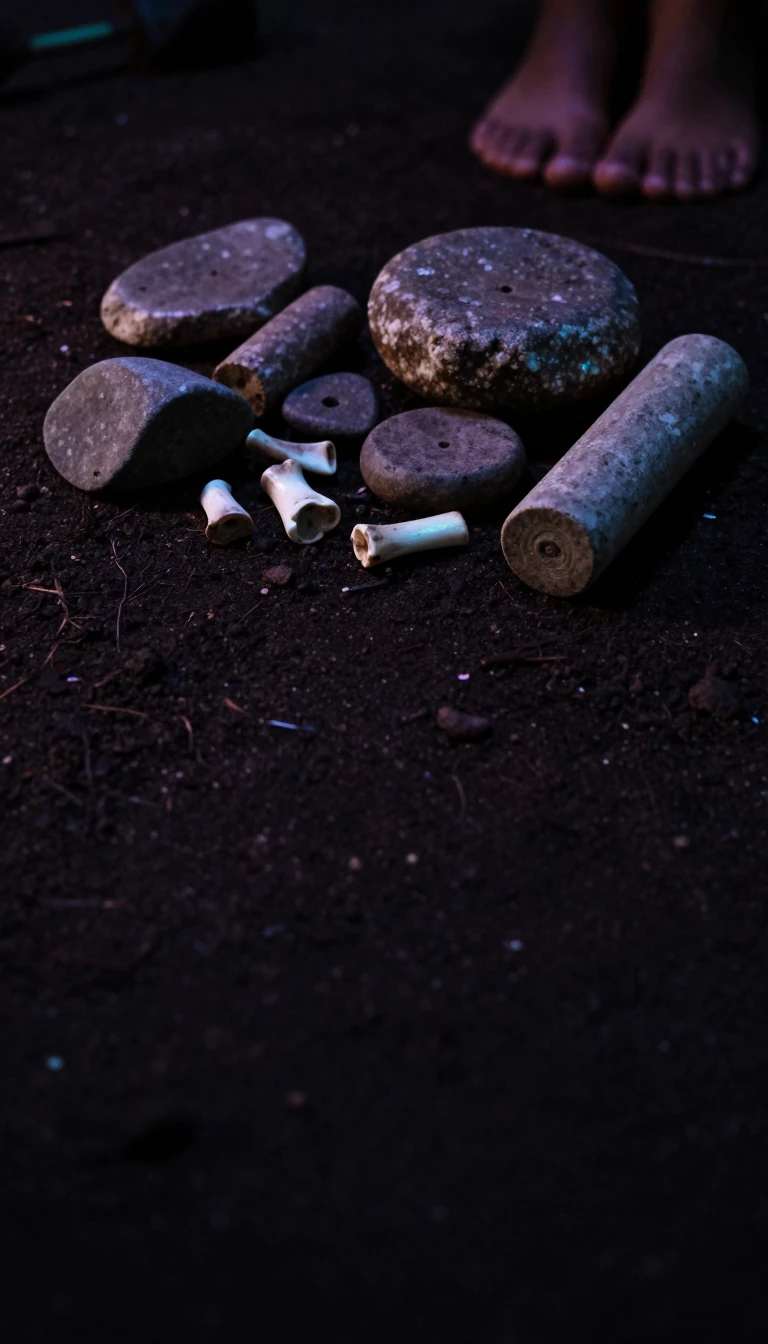 Microscopic bone structures can help distinguish human remains from certain animalsResearchers reviewing histological methods found that the microscopic structure of cortical bone can sometimes differentiate human remains from nonhuman species. By examining spec…
 Environmental patterns help predict the location of ancient human-made soilsResearchers who modeled the distribution of terra preta—nutrient-rich soils created by pre-Columbian societies—found that these archaeological sites are highly predictable based o…
- Severe malnutrition does not significantly delay the timing of human tooth formationResearchers who studied children in Sudan found that severe malnutrition has little to no measurable effect on the timing of tooth development. By comparing children with normal n…
 Ancient parasites suggest humans migrated to the Americas via warm sea routesA review of paleoparasitological evidence suggests that certain intestinal parasites did not arrive in the Americas via land bridges. Researchers found that common human parasites…
- Why our view of prehistoric gender roles is largely a mythFor centuries, we believed prehistory was defined by men as the primary providers and women as gatherers. This narrative wasn't just common sense; it was an academic standard esta…
 Was the Trojan War a myth or a historical reality?For centuries, the Trojan War was dismissed as the mere imagination of a poet. However, late 19th-century archaeology began to uncover physical evidence beneath a mound in Turkey,…
 How a lethal bottleneck led to Rome's greatest military disasterStep onto the archaeological site of Kalkriese to witness the forensic reconstruction of the Battle of the Teutoburg Forest, where Roman forces met a devastating defeat.
 Before Stonehenge, Egyptians built stone circles to track the starsWhile Stonehenge is often cited as humanity's premier megalithic feat, an older mystery lies in the Egyptian desert. Archaeological evidence suggests that humans were constructing…
 The mysterious iron nails found in a 1st-century tombWhen a tomb was unearthed in Jerusalem in 1990, it contained more than just the remains of a high priest. It held two bent iron nails that have sparked intense archaeological deba…
 The hidden history of Ireland tucked inside a Wexford pubA hidden pub in Wexford serves as a vault for decades of hoarded history. Watch as experts sift through floor-to-ceiling antiques to uncover rare Irish memorabilia and vintage cur…
- How deep history hides in the dust of Irish mansionsExplore the high-stakes world of Irish picking, where a routine visit to a 200-year-old mansion reveals a hidden archive of history. This episode captures the tension of identifyi…
 The high-stakes hunt for artifacts from a frozen eraFollow the Irish Pickers as they navigate the tension of competitive auctions and historical discoveries. From rare maritime relics to treasures hidden in time, this journey explo…
 The high-stakes gamble of identifying a 500-year-old maritime treasureIn the rugged landscape of County Mayo, a historian faces a pivotal choice: walk away from a potential relic or risk everything on a 500-year-old treasure chest.
 The hidden narratives of Ireland's discarded and forgotten relicsFollow a journey through County Kerry and Dublin as experts hunt for artifacts that bridge the gap between private lives and public history. This episode explores how physical obj…
 The hidden history of a haunted 1,000-year-old Irish castleExplore the intersection of archaeology and commerce as a historian-led hunt uncovers artifacts from a millennium of Irish history. From carved stone heads to maritime relics, see…
- A forgotten workshop mould holds the key to revolutionary historyWatch as experts navigate the complexities of antique dealing and historical restoration to uncover hidden treasures, ranging from military artifacts to rare revolutionary memorab…
 How a rebellion transformed a small principality into an empire of templesBagan is home to one of the world's largest concentrations of Buddhist temples, but its grandeur was born from a violent transition. It wasn't just a religious boom; it was a calc…
 New technology allows for the identification of ancient organic dyes from tiny samplesResearchers have developed a method using surface-enhanced Raman scattering (SERS) to identify organic dyes in historical artifacts. While traditional methods often require large …
 Human impact on western Amazonian forests was likely small and localizedResearchers analyzing soil samples from 55 different sites across central and western Amazonia found that pre-Columbelse human occupation was relatively sparse. The study observed…
- Global analysis reveals diverse threats and gaps in protecting World Heritage sitesResearchers examining management plans and records of World Heritage sites found that historical disasters, ranging from earthquakes to terrorism, have caused massive damage. The …
 The silent migration that rewrote the map of Medieval EuropeUnlike the thunderous conquests of the Huns or Goths, the Slavic expansion was a quiet, pervasive transformation. For centuries, they left behind almost no writing, few monuments,…
 The Trojan War was likely a process, not a single eventFor centuries, Troy was a ghost of poetry, a fictional kingdom of heroes and monsters. But archaeology reveals a much more complex reality: a wealthy trading hub that endured for …
- Traditional villages in Southwest China are shaped by specific geographic featuresResearchers used spatial analysis software to map the distribution of traditional villages across Southwest China. They found that these historical settlements are not randomly pl…
 Ancient earth-builders settled across a vast stretch of the southern AmazonArchaeologists have discovered that Pre-Columbian populations were far more widespread than previously thought. By identifying ditched enclosures in the Tapajós headwaters, resear…
 Beyond the Tomb: Exploring the Obscure Layers of ArchaeologyMost people associate archaeology with famous mummies and gold. This video dives beneath the surface to explore the bizarre, obscure, and often overlooked stories that define the …
 The pyramids were once a lawless frontier of robbery and deathFor centuries, the Egyptian pyramids were not just archaeological marvels; they were perilous zones where travelers faced extreme physical danger. Exploring these massive structur…
- The 140-year legacy of a British institute preserving Egyptian historyThe Egypt Exploration Society has spent over a century pioneering archaeology in the Nile valley. From deciphering hieroglyphs to excavating over 150 sites, it has shaped how the …
 The evolution of cultural heritage along China's famous Suzhou CanalResearchers used geographical information systems to map 104 cultural heritage sites along the Suzhou Canal in China. By analyzing these sites across six historical periods, they …
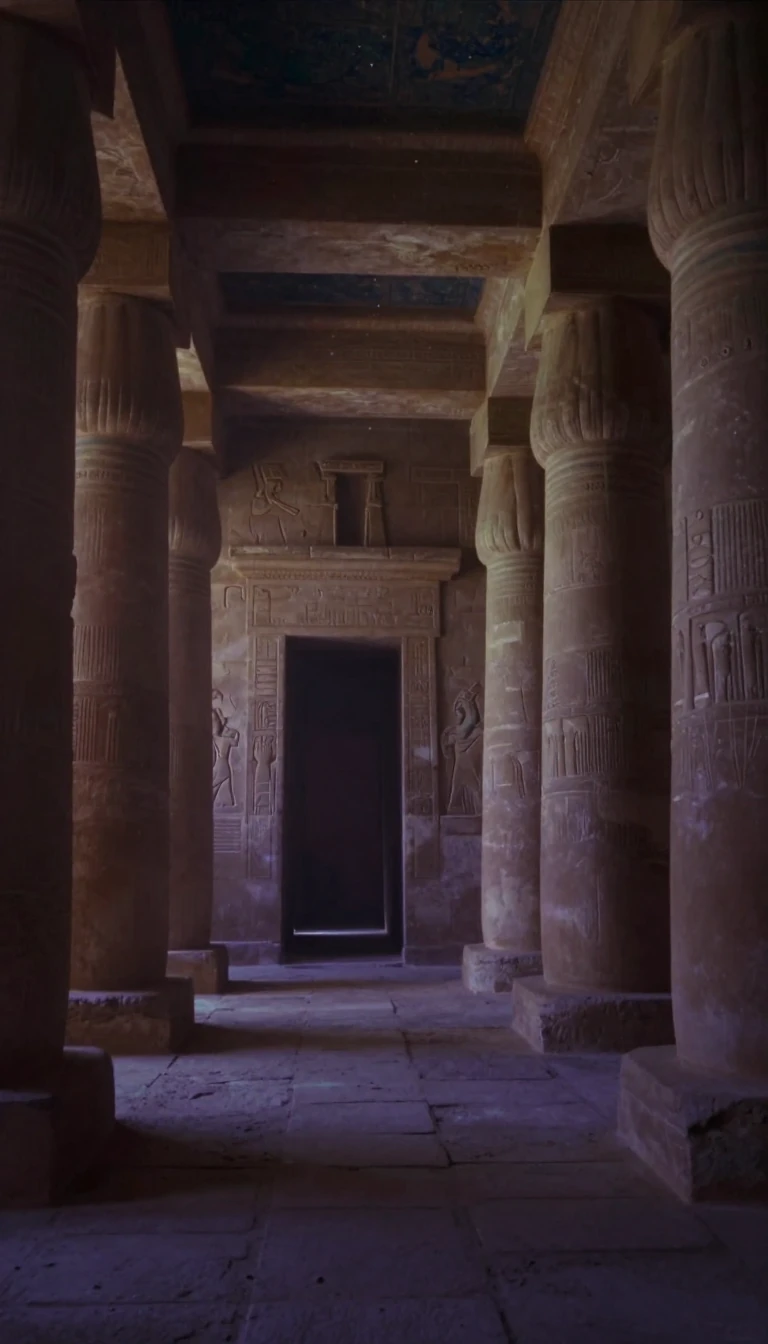 Ancient Egyptian royal history is being rewritten through modern chemical analysis of painted surfaces.Archaeologists are moving beyond traditional guessing games to decode ancient Egyptian art. By using portable X-ray fluorescence mapping, researchers can now analyze pigment compo…
 Why the Rock of Gibraltar served as the final sanctuary for Europe's NeanderthalsFor over 100,000 years, the southern tip of Iberia provided a stable, temperate refuge for Neanderthals while northern Europe suffered through brutal ice ages. Isolated by geograp…
 The Levallois technique allowed ancient humans to master stone tool efficiency through complex pre-planning.Developed between 250,000 and 400,000 years ago, the Levallois technique represents a sophisticated leap in stone knapping. By meticulously preparing a core to produce a predeterm…
 Ancient metallurgical secrets revealed through the analysis of a single Liao Dynasty gold cupResearchers have peered into the manufacturing history of a Liao Dynasty gold cup, uncovering a sophisticated blend of casting, engraving, and welding. By analyzing the cup's allo…
- The genetic bottleneck of the first AmericansModern genetic research suggests that the entire Indigenous American population may have descended from a shockingly small group of ancestors. This profound genetic bottleneck rev…
- The stocky powerhouse: Why Neanderthals were built for the coldNeanderthals weren't just primitive cavemen; they were master adaptations to some of Earth's harshest environments. From their massive noses to their muscular frames, every physic…
- Hidden networks of ancient earthworks suggest vast human influence on the AmazonResearchers using LIDAR technology to peer beneath the dense Amazonian forest canopy discovered 24 previously unknown pre-Columbian earthworks. By modeling the distribution of the…
- Specific dental methods provide more accurate age estimates for Indonesian childrenResearchers who reviewed existing studies on forensic odontology in Indonesia found that specific methods are most reliable for estimating the ages of children and adolescents. Be…
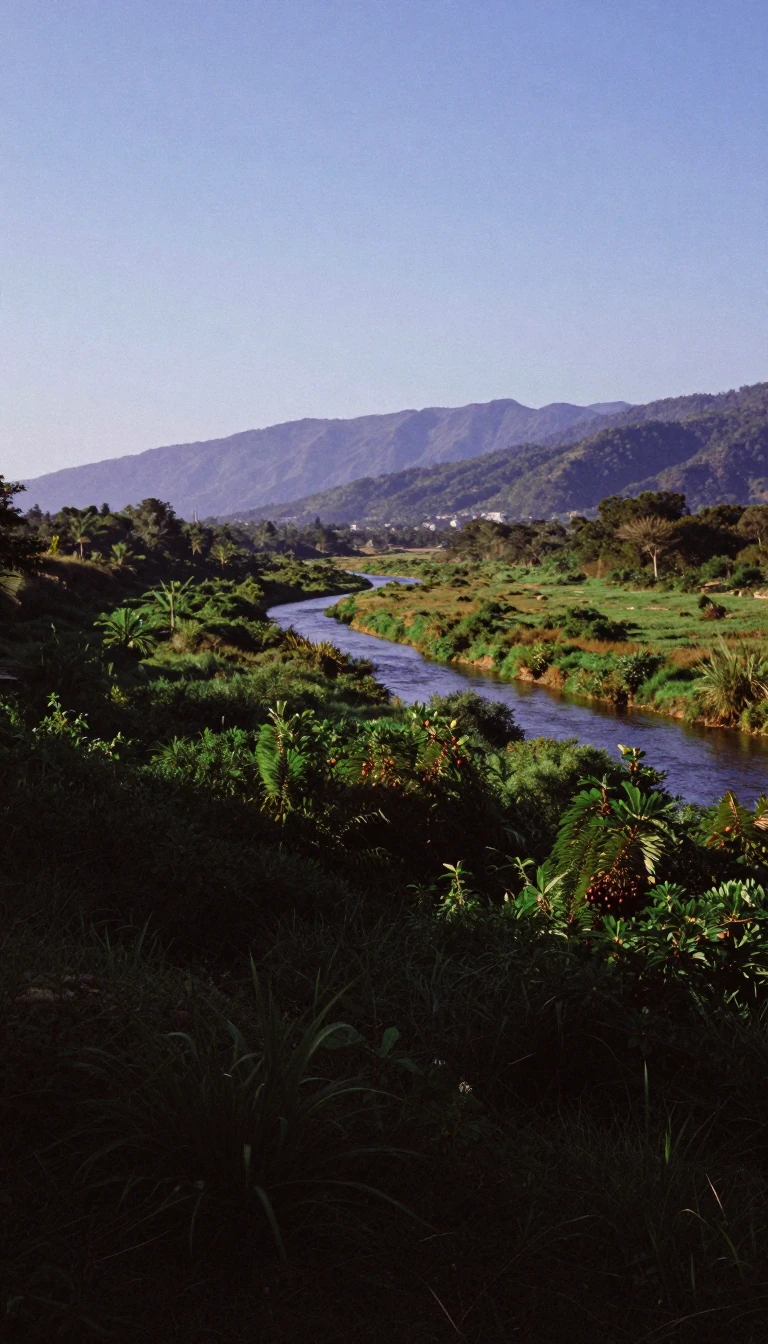 Ancient Amazonian civilizations intentionally engineered fertile soil to manage rainforest resourcesResearchers investigating Amazonian history found evidence that ancient populations deliberately created "dark earth" soils to boost agricultural productivity. By comparing the ch…
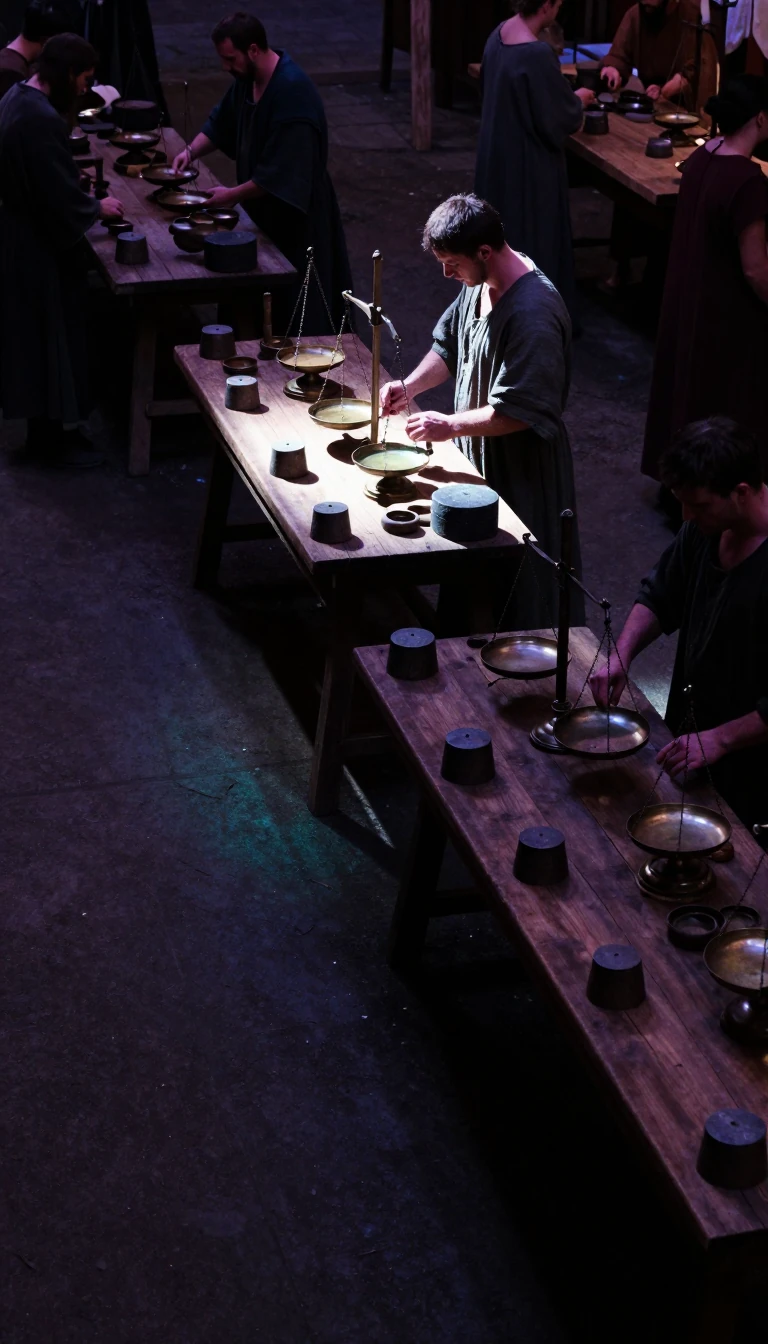 Market self-regulation, not political decree, likely shaped early weight systemsResearchers investigating the origins of commerce found that the first standardized weight systems in Western Eurasia likely emerged from bottom-up merchant interactions rather th…
 Ancient sea level shifts reshaped the landscapes of California's Channel IslandsResearchers reconstructing the history of California's Northern Channel Islands found that sea levels were significantly different during the first human arrivals. By accounting f…
 Early marks may reflect physical movement rather than just symbolic thoughtResearchers exploring the origins of human intelligence suggest that early markings, like those found in Blombos Cave, were not just symbols. Instead, they argue these marks were …
 Ancient human gut microbiomes resemble rural rather than modern urban lifestylesResearchers who analyzed ancient human feces, known as coprolites, found that our ancestors' gut bacteria were more similar to those of modern rural communities than to people liv…