New reconstruction reveals the complex retreat patterns of the Fennoscandian Ice Sheet
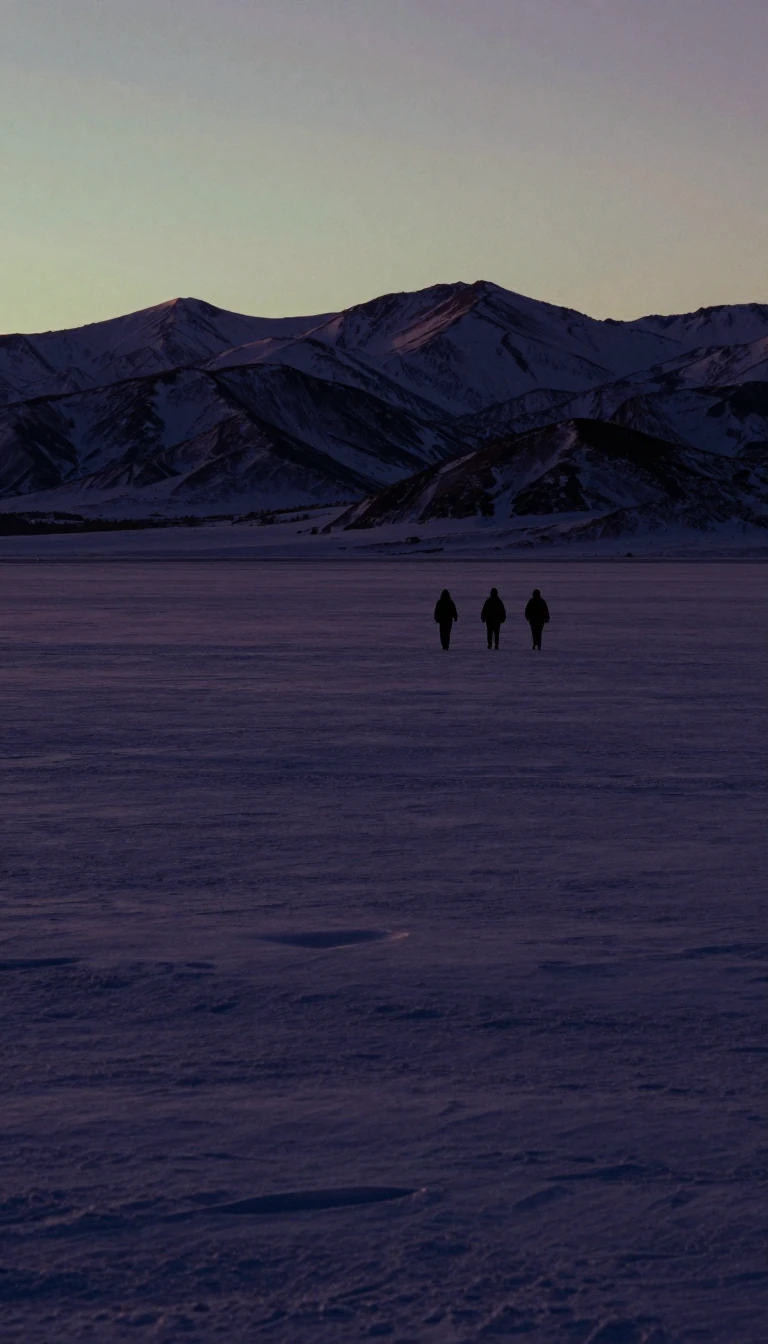
In short: Researchers synthesizing geomorphological and dating data have created a detailed new timeline for the deglaciation of the Fennoscandian Ice Sheet. By analyzing features like moraines and meltwater channels alongside various dating methods, the study found that ice retreat rates varied significantly across different sectors, driven by a complex interplay of climate, topography, and ice margin types.
The study compiled a vast array of geochronological data, including radiocarbon, varve, and cosmogenic nuclide dates, to map the ice sheet's decay between 22 and 9.7 thousand years ago. This synthesis provides a high-resolution look at how different regions, such as the high-precipitation western coast, responded to climatic shifts. However, the reconstruction relies on the synthesis of existing and new published data, meaning its precision is tied to the quality of the underlying geomorphological records.
Why it matters: This detailed timeline offers a vital dataset for testing and refining models of how ice sheets respond to climate change.
Opens the Intellect+ feed with this card first. Swipe up for the next one.
Sources
- Source: Research: Stroeven et al. (2015). Deglaciation of Fennoscandia. Quaternary Science Reviews. · cc-by-nc-nd
To cite this card, link to https://intellectplus.co.uk/app/history-research-new-reconstruction-reveals-the-complex-retreat-patterns-of-t.
How we source, check and correct cards: Editorial standards.
General information, not professional advice. Spotted an error? Flag the card or see corrections and complaints.
Intellect Plus is a visual educational discovery platform for exploring fascinating facts and ideas. Brain Food, Not Brain Rot. What is Intellect Plus?
Related
More in History · Latest · A–Z · All topics
