The last ice age reshaped our world, from the Great Lakes to the Baltic Sea
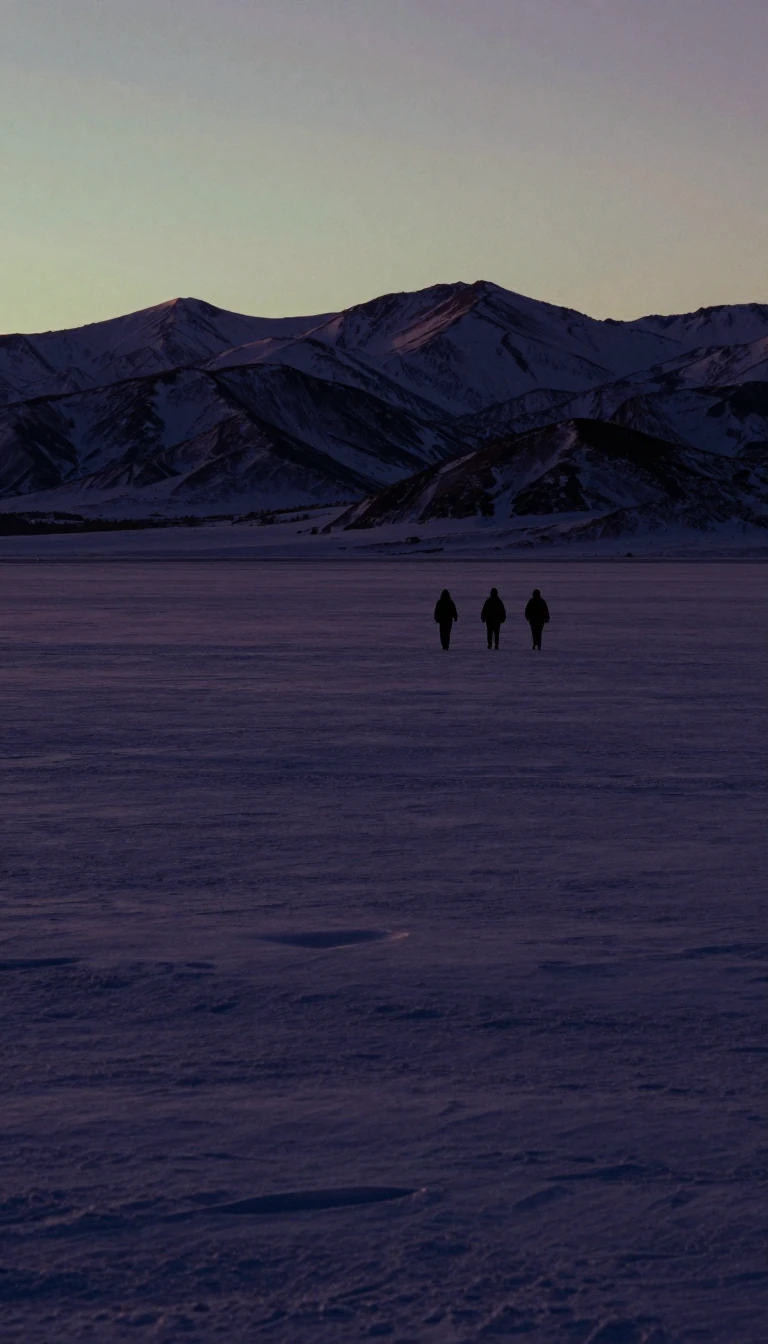
In short: The Last Glacial Period, ending roughly 11,700 years ago, was not a single frozen block of time. It was a dynamic era of advancing and retreating ice that carved the modern landscape, redirected rivers, and created the very seas we navigate today. Its legacy remains etched in our geography.
Spanning from approximately 115,000 to 11,700 years ago, the Last Glacial Period represents the most recent phase of the ongoing Quaternary glaciation. While often colloquially termed an ice age, it was defined by fluctuating cycles of cooling and warming. The peak of this cold phase, known as the Last Glacial Maximum, occurred between 26,000 and 20,000 years ago, during which massive ice sheets blanketed much of the Northern Hemisphere, including the Laurentide and Scandinavian sheets.
The geological impact of this era is profound. In North America, the retreat of the Laurentide ice sheet scoured the earth to form the Great Lakes and left behind terminal moraines that created landmarks like Long Island and Cape Cod. Similarly, in Europe, the weight of the ice depressed the Earth's crust; as the ice melted, the land began to rise—a process of isostatic rebound that continues today in Scandinavia at rates of up to 9 millimeters annually. This shifting geography even dictated the evolution of the Baltic Sea, which transitioned between marine and freshwater states as sea levels rose and land levels adjusted.
Beyond the major continental sheets, the period left diverse traces globally. In the Sierra Nevada, glacial stages like the Tioga reached their peak around 21,000 years ago, while in the Southern Hemisphere, glaciers formed in the Andes and even on high-altitude mountains in New Guinea and Africa. The era also triggered dramatic environmental shifts, such as explosive methane releases from the seafloor following ice retreat and the formation of temporary, massive glacial lakes that unleashed catastrophic floods, such as those from Lake Missoula in the American West.
Understanding this period is essential for interpreting modern environmental patterns. Scientists study ice cores and sediment deposits to reconstruct these ancient climates, revealing that even during the height of the cold, conditions varied significantly by region. Today, the remnants of this era persist in the form of polar ice caps and the ongoing geological adjustments of the Earth's surface, reminding us that our current climate is merely a snapshot in a much longer, shifting cycle.
Opens the Intellect+ feed with this card first. Swipe up for the next one.
Sources
- Summary by Intellect · source: Last Glacial Period
To cite this card, link to https://intellectplus.co.uk/app/technology-last-glacial-period.
How we source, check and correct cards: Editorial standards.
General information, not professional advice. Spotted an error? Flag the card or see corrections and complaints.
Intellect Plus is a visual educational discovery platform for exploring fascinating facts and ideas. Brain Food, Not Brain Rot. What is Intellect Plus?
Related
More in History · Latest · A–Z · All topics
