The global ice clock is ticking faster than ever before
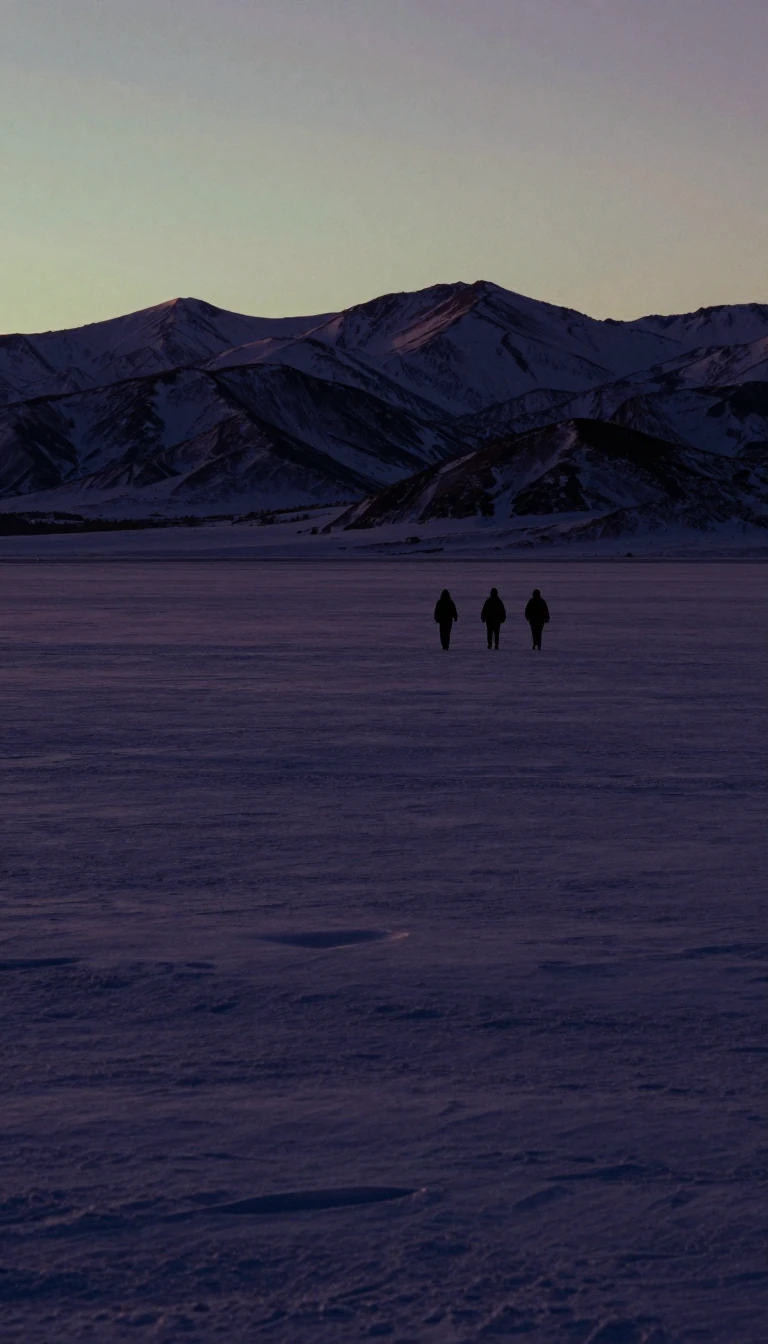
In short: Since 1850, the world's glaciers have been in a steady, documented retreat. While deglaciation is a natural process at the end of ice ages, modern warming has accelerated the pace. This shift isn't just a visual change in the landscape; it is a fundamental disruption of the planet's freshwater systems.
The health of a glacier is determined by its mass balance: the difference between frozen precipitation in the accumulation zone and the ice lost through melting or sublimation in the ablation zone. Currently, nearly all glaciers globally are in a state of negative mass balance. While some glaciers, like Easton in Washington state, may stabilize as they lose their lower elevations, others—such as Montana's Grinnell Glacier—are thinning across their entire length. This indicates a loss of the accumulation zone itself, meaning they will eventually vanish without a colder climate or increased snowfall.
The scale of this loss is immense. Between 1993 and 2018, global glacial losses likely reached 5,500 gigatons, averaging 210 gigatons annually. This retreat is a primary driver of sea level rise, which the IPCC classifies as a "slow onset" event. If the polar ice caps of Greenland and Antarctica were to melt entirely, global oceans could rise by an estimated 70 meters. Even currently, these ice sheets contribute about 0.5 millimeters each to annual sea level rise, with the Thwaites Glacier alone accounting for roughly 4 percent of that global increase.
The consequences extend far beyond rising tides. Glaciers hold about 69 percent of the world's freshwater, and their demise threatens the water security of billions. Up to two-thirds of summer water flows might drop across the Himalayas as ice recedes, threatening 500 million Ganges residents with scarcity. Furthermore, the creation of unstable glacial lakes increases the risk of Glacial Lake Outburst Floods (GLOFs), which have historically caused catastrophic deaths and property damage in regions like the French Alps.
Opens the Intellect+ feed with this card first. Swipe up for the next one.
Sources
- Summary by Intellect · source: Retreat of glaciers since 1850
To cite this card, link to https://intellectplus.co.uk/app/history-retreat-of-glaciers-since-1850.
How we source, check and correct cards: Editorial standards.
General information, not professional advice. Spotted an error? Flag the card or see corrections and complaints.
Intellect Plus is a visual educational discovery platform for exploring fascinating facts and ideas. Brain Food, Not Brain Rot. What is Intellect Plus?
Related
More in 19th century · More in History · Latest · A–Z · All topics
